
One of the biggest lies in the OEM world?
A clean showroom does NOT mean a reliable factory.
Honestly, some “factory tours” are closer to theater than manufacturing verification.
We’ve seen pet product suppliers with polished catalogs, luxury meeting rooms, and “10+ years OEM experience” — yet their production line couldn’t maintain stable Bluetooth pairing and WiFi module performance during mass production.
We’ve also seen factories pass factory audits while secretly outsourcing critical PCB assembly work to third-party workshops they never mentioned during meetings.
And the scary part?
Most buyers only discover the real problems after it’s already too late:
- Amazon reviews suddenly collapse
- Return rates spike
- FCC compliance fails during shipment checks
- Firmware stability breaks during batch production
- Motors start overheating after 3 months
- Replacement costs quietly destroy margins
- Q4 inventory gets stuck because of unexpected production delays
One unstable firmware patch can wipe out an Amazon listing built over 18 months.
A hidden WiFi module substitution during shortage season can quietly turn a 2% defect rate into 11% within one production cycle.
A 3% increase in dead-on-arrival spikes during Q4 can erase the profit margin of an entire container faster than most buyers realize.
This is why serious buyers don’t audit factories to “check compliance.”
They audit factories to predict future operational disasters before mass production even starts.
Because in smart pet product OEM, factories rarely fail during presentations.
They fail quietly:
- during pilot run leakage
- during component shortages
- during firmware rollback failure
- during unstable sourcing periods
- during emergency ECN control changes
- during aging rack saturation
- during your second container — not your first sample
This guide is not a generic factory audit checklist.
It’s a real-world OEM risk map built specifically for smart pet product buyers trying to avoid expensive manufacturing mistakes.
And different buyers usually fear different disasters:
Amazon Sellers usually fear:
- review collapse
- return waves
- replacement cost spikes
- account health pressure
Pet startups usually fear:
- MOQ pressure
- tooling lock-in
- firmware dependency
- engineering black-box suppliers
Importers usually fear:
- unstable sourcing
- shipment delays
- repeat-order inconsistency
- supplier capacity collapse
This article exists because most OEM failures are predictable earlier than buyers think.
The signals were usually already there.
People just didn’t know where to look.
Built from the Petrust® Factory Verification Logic— a real-world OEM supplier evaluation framework developed through 12+ years of smart pet product manufacturing, engineering qualification, production audits, firmware validation reviews, and export risk management.
This checklist is designed for buyers trying to avoid the problems that usually appear too late: fake factory positioning, borrowed workshop footage, unstable production systems, silent BOM downgrades, fake second-source strategies, and suppliers that collapse under Q4 pressure.
Why Most Pet Product Factory Audits Fail to Catch Real OEM Risks
Most factory audits look impressive on paper.
That’s exactly the problem.
Too many audits are built around documents, certifications, and staged production tours — not actual manufacturing reality.
And smart pet products are not simple plastic bowls.
You’re dealing with:
- electronics
- firmware
- app ecosystems
- sensors
- motors
- wireless connectivity
- long-term reliability
A supplier can look “qualified” during an audit and still become a disaster during mass production.
Weak factories usually fail slowly — not immediately.
That’s why inexperienced buyers often confuse “smooth sampling” with “stable manufacturing.”
That misunderstanding becomes very expensive later.
Most Auditors Only Check Documents — Not Production Reality
Many buyers still believe a supplier audit is mainly about checking:
- business licenses
- ISO certificates
- social compliance reports
- factory size
- employee count
That’s surface-level auditing.
Real OEM risks usually appear inside:
- the SMT line
- the IQC workflow
- the IPQC process
- production troubleshooting speed
- firmware debugging capability
- failure analysis systems
- golden sample locking discipline
- ECN control execution
- rework station overflow conditions
One uncomfortable truth in the industry:
A supplier can have beautiful documentation and terrible manufacturing discipline.
We’ve seen factories with perfectly organized audit binders but chaotic production scheduling, unstable tooling maintenance, false-pass QC practices, and inconsistent testing standards between shifts.
One factory even showed impressive aging reports during the audit.
Later, the buyer discovered the reports came from engineering samples — not real production batches.
That’s where long-term problems begin.
For buyers who cannot immediately visit China in person, a structured remote verification process usually becomes the first risk filter before deeper supplier evaluation starts.
That’s why many experienced sourcing teams now combine physical inspections with Remote Factory Audits for Pet Product Manufacturers: How to Verify What the Camera Does Not Show to reduce the chances of discovering hidden production problems too late.
Action step:
Ask the supplier to show live production dashboards during active manufacturing hours — not screenshots. Most weak factories avoid real-time visibility.
Many Auditors Don’t Understand Smart Pet Hardware
This is especially dangerous in smart pet products.
Traditional factory auditors may understand plastic molding or packaging workflows.
But many do NOT understand:
- RF testing
- Bluetooth pairing stability
- firmware architecture
- app integration risks
- motor reliability
- sensor calibration drift
- IoT device troubleshooting
- firmware rollback failure risk
- line changeover instability
A self-cleaning litter box is not just a plastic container.
It’s an engineering system.
The moment you add:
- motors
- sensors
- wireless modules
- firmware
- app control
you’ve entered a completely different risk category.
Honestly?
This is where many “general factory auditors” become dangerously unqualified.
Because most smart hardware disasters do NOT start with visible cosmetic defects.
They start with invisible instability.
That’s why generic factory audits often miss the real danger signals.
A Factory Can Pass an Audit and Still Fail During Mass Production
This happens more often than buyers think.
One factory we visited had excellent-looking audit reports.
Everything looked professional.
But during production observation, their engineering team manually recalibrated SMT feeder positions multiple times within one hour.
That usually signals future batch inconsistency problems.
Especially SMT feeder drift.
And once large-scale production begins, those hidden inconsistencies become:
- unstable device pairing
- app disconnection
- inconsistent motor performance
- firmware crashes
- yield rate collapse
- rising defect rates
Mass production failure rarely starts with one huge mistake.
It usually starts with dozens of small engineering weaknesses nobody noticed early enough.
One buyer spent nearly six months developing a smart feeder with a supplier that looked highly professional during early meetings.
The samples worked perfectly.
The app demo looked stable.
The packaging looked retail-ready.
Then mass production started.
The factory quietly changed the WiFi module supplier during a component shortage.
Pairing failure rates jumped.
Amazon reviews collapsed within 45 days.
The buyer later discovered the original RF testing conditions no longer matched the substituted module batch.
That single sourcing decision cost more than the original tooling investment.
The 3 Types of “Factories” Buyers Keep Confusing in China
One of the biggest OEM mistakes?
Buyers think all factories are the same.
They’re not.
And misunderstanding this can destroy delivery schedules, product quality, and long-term scalability.
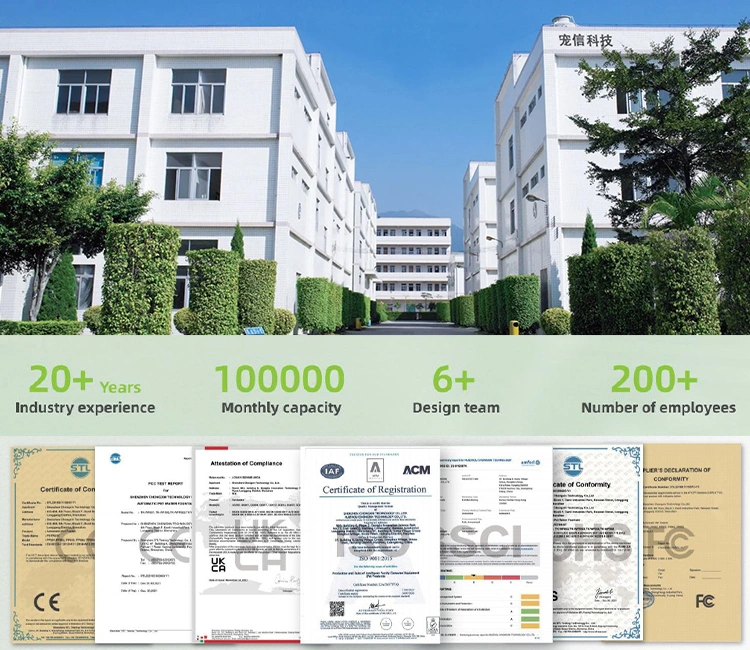
Real Manufacturers
Real manufacturers usually control:
- in-house production
- engineering workflows
- testing systems
- process optimization
- quality systems
- supplier coordination
They often have stable:
- injection molding capability
- assembly systems
- engineering support teams
- NPI processes
- DFM review workflows
- ECN approval systems
Real manufacturers usually understand what happens AFTER mass production starts.
That matters more than presentation slides.
If a buyer is trying to verify whether a supplier truly has scalable OEM capability instead of just sales capability, the evaluation usually needs to go deeper than certificates and factory photos.
Many procurement teams later realize OEM Capabilities in Chinese Pet Product Suppliers: What Separates a Real Manufacturing Partner From a Sample Factory helps expose operational weaknesses that standard audits completely miss.
Action step:
Ask who approves engineering changes after mass production starts. If the sales manager answers instead of the engineering lead? That’s usually a warning sign.
Assembly Workshops Pretending to Be Factories
Some suppliers mainly focus on assembly.
They outsource:
- PCB work
- molding
- firmware
- testing
- packaging
This creates hidden risks:
- unstable sourcing
- inconsistent materials
- poor quality coordination
- slower troubleshooting
- unreliable production lead times
- box-build inconsistency
- pilot-run leakage
During stable supply periods, these problems stay hidden.
During component shortages?
Everything breaks at once.
One hidden subcontractor can turn a 35-day lead time into a 90-day inventory disaster.
Especially during Q4.
Trading Companies Acting Like OEM Suppliers
This is where many new buyers get trapped.
The sales team sounds professional.
The website looks polished.
The quotation seems competitive.
But the company doesn’t actually control production.
That means:
- no direct engineering authority
- weak production scheduling power
- slower problem solving
- unstable manufacturing consistency
And during emergencies, trading companies often lose control of the supply chain faster than real manufacturers.
Here’s the part many buyers don’t expect:
Some suppliers look highly responsive before PO confirmation.
After deposit payment?
The engineering manager suddenly becomes harder to reach.
The original project owner disappears.
Production communication starts flowing through sales assistants instead of engineers.
That operational shift alone is often an early warning signal.
Real factories rarely hide engineering communication.
Middle-layer suppliers often do.
Why This Confusion Causes Massive OEM Problems Later
This confusion usually explodes later during:
- scaling production
- peak season demand
- firmware updates
- QC disputes
- after-sales issues
Because the deeper the project becomes, the more dangerous weak supplier control becomes.
Especially in smart pet products.
The most dangerous suppliers are often the ones that look stable early.
Before You Check Certifications, Check This First
Certifications matter.
But many buyers misunderstand what certifications actually prove.
A compliance report does NOT automatically mean manufacturing reliability.
Those are two very different things.
BSCI Does NOT Mean Engineering Capability
This is one of the biggest misconceptions in OEM sourcing.
A factory can pass a BSCI audit and still have:
- weak engineering systems
- unstable testing workflows
- poor firmware management
- weak reliability validation
- poor ECN control discipline
Social compliance and engineering capability are not the same thing.
Buyers confuse these two constantly.
A socially compliant factory can still produce unstable smart hardware.
Google won’t say that.
Real buyers will.
CE and FCC Reports Don’t Guarantee Stable Production
Many suppliers pass compliance testing using specially optimized samples.
Mass production is different.
Real production introduces:
- component substitutions
- sourcing instability
- operator variation
- rushed timelines
- emergency production changes
That’s where production quality often collapses.
Especially if the factory lacks strong mass production validation systems.
According to the eCFR Supplier’s Declaration of Conformity rules, compliance obligations apply to the authorized configuration and technical specifications originally evaluated during testing — not automatically to later component substitutions or uncontrolled production changes.
That distinction is exactly where many OEM disasters quietly begin.
One substituted RF module can invalidate months of compliance preparation.
And buyers often discover it only after customs inspection or Amazon compliance review requests.
Action step:
Ask the factory whether the approved RF module supplier is “locked” after certification testing. Weak suppliers often avoid giving a direct answer.
Ask Who Actually Controls Firmware Updates
This question exposes many hidden risks immediately.
Some suppliers outsource firmware development completely.
That creates dangerous dependency problems later:
- slow bug fixes
- unstable updates
- app compatibility failures
- delayed troubleshooting
- firmware rollback failure
And if the outsourced software team disappears?
The buyer inherits the problem.
Worse?
Some factories cannot even access their own source code repositories directly.
That’s far more common than buyers think.
Action step:
Ask the factory to demonstrate OTA recovery testing during interrupted firmware updates. Most weak suppliers avoid this test completely.
Ask Who Owns the Tooling and Mold
This question sounds simple.
It’s not.
Some factories do not fully control their molds.
Others share tooling resources across projects.
That creates serious OEM risks:
- delayed modifications
- production scheduling conflicts
- IP exposure
- quality inconsistency
- tooling lock-in pressure
Real buyers verify mold ownership early — not after problems begin.
Because once production starts, negotiating tooling transfer becomes much harder.
And much more political.
A Pet Product Factory Audit Checklist Means Nothing If You Ignore Engineering
This is where most generic audit articles completely fail.
Engineering capability determines whether your product survives real-world scaling.
Not PowerPoint presentations.
The PCB Supplier Matters More Than Most Buyers Think
In smart pet products, PCB quality quietly controls everything.
Weak PCB sourcing creates:
- unstable WiFi performance
- app disconnection
- firmware instability
- sensor malfunction
- overheating issues
And many factories rely heavily on second-tier suppliers during shortages.
That’s where hidden risks enter the supply chain.
Especially during aggressive cost-down periods.
One cheap PCB sourcing decision can quietly create tens of thousands of dollars in replacement cost exposure later.
Action step:
Ask whether the factory maintains golden sample locking for PCB validation across all future sourcing batches. Many don’t.
Stable WiFi Pairing During Testing Is a Bigger Deal Than You Think
A product that pairs successfully in a meeting room means almost nothing.
Real risk appears during batch testing.
Can 500 units maintain stable pairing consistency simultaneously?
Can devices recover after failed pairing attempts?
Can the system survive network interruptions?
Many factories never stress-test these scenarios properly.
That’s why smart pet devices often fail quietly after shipment.
And honestly?
This is where many Amazon disasters begin.
Not with hardware failure.
With unstable user experience.
Action step:
Ask the supplier to simulate interrupted router recovery during live pairing demonstrations. Strong engineering teams usually welcome the test. Weak ones usually redirect the conversation.
Aging Tests Reveal More Than Most Factory Tours
A proper aging test tells you more than a showroom ever will.
Strong factories perform:
- long-hour runtime simulation
- burn-in testing
- reliability testing under stress conditions
- thermal performance analysis
- motor lifespan verification
- aging rack load balancing
Weak factories skip these steps to reduce cost and save time.
That decision usually comes back later as warranty claims.
According to the NIST Engineering Statistics Handbook on reliability engineering, long-term product failures are often closely connected to manufacturing variability, insufficient stress testing, and poorly controlled production conditions.
That’s why experienced OEM buyers care far more about reliability testing discipline than showroom appearance.
One buyer reduced warranty claims by nearly 40% after forcing suppliers to extend motor aging cycles before shipment approval.
The factory initially resisted because it slowed output speed.
That resistance itself was the warning sign.
Firmware Stability Problems Usually Appear During Batch Production
Firmware rarely fails during sample demonstrations.
It fails during real production pressure.
Especially when:
- production timelines get compressed
- component batches change
- app versions update
- emergency fixes get rushed
That’s when:
- firmware crashes
- pairing failures
- random disconnects
- unstable sensor behavior
start appearing.
This is also where false-pass QC becomes dangerous.
Because firmware instability often slips through cosmetic inspections completely.
A product can “look fine” and still become a review disaster two months later.
If the Engineering Team Looks Too Small, That’s Usually a Warning Sign
Some suppliers have huge sales teams and tiny engineering departments.
That imbalance matters.
Because scaling smart pet products requires:
- debugging speed
- firmware maintenance
- testing capability
- hardware optimization
- production troubleshooting
Without strong engineering support, problems accumulate silently.
For complex categories like automatic litter boxes, buyers usually need deeper engineering verification than normal factory tours provide.
That’s one reason many sourcing managers later study Self-Cleaning Litter Box Factory Capability: Can They Really Build It at Scale? before committing to large tooling investments or app-integrated product development.
Action step:
Ask how many firmware engineers support post-launch maintenance. If the answer is vague? Assume future troubleshooting speed will also be vague.
What Smart Buyers Look for on the Production Line (That Most Auditors Miss)
Real production lines reveal the truth faster than conference rooms ever will.
A Clean Showroom Does Not Mean a Stable Production System
Some of the cleanest factories we’ve seen had terrible operational control.
Why?
Because showroom quality and production discipline are different things.
Real manufacturing stability comes from:
- process control
- operator consistency
- equipment maintenance
- testing standards
- workflow management
- line changeover discipline
Not polished lobby furniture.
Honestly, some suppliers invest more money into reception areas than process engineering.
That tells you something.
Watch How Workers Handle Returned Defective Units
This reveals the factory’s real culture immediately.
Do workers investigate failure causes carefully?
Or do they simply replace parts quickly and move on?
Strong factories treat defective units as engineering data.
Weak factories treat them as inconvenience.
That difference becomes massive later.
Especially when rework station overflow starts happening during peak production weeks.
Action step:
Ask to see the failure analysis process for returned units. If there’s no documented root-cause tracking? Expect repeat failures later.
Ask What Happens During Peak Season
Peak season exposes weak supply chains brutally.
Ask factories directly:
- What happens during component shortages?
- How do they manage unstable sourcing?
- Do they rely on subcontracted assembly?
- What happens if motor suppliers fail?
The answers tell you more than certifications ever will.
For buyers entering high-volume Q3 or Q4 production windows, this is usually the stage where internal audits may no longer be enough.
Many experienced importers eventually consider Third-Party Factory Audits for Pet Products: When They Help—and When They Don’t after discovering how quickly hidden capacity risks can turn into shipment delays and return problems.
One overloaded production line can quietly destroy delivery schedules across multiple customers simultaneously.
Factories rarely admit this early.
Look at the Failure Shelf — Not the Sample Room
Samples are designed to impress buyers.
Failure shelves reveal manufacturing reality.
Look for:
- motor failures
- leakage complaints
- odor control failure patterns
- broken connectors
- sensor drift issues
- cracked housings
- yield rate collapse trends
That’s where the real story lives.
The failure shelf usually tells the truth faster than the sales presentation ever will.

Production Lines Tell the Truth Faster Than Sales Teams
Sales teams sell possibilities.
Production lines reveal limitations.
Watch:
- workflow discipline
- material organization
- operator training
- testing speed
- production bottlenecks
- rework frequency
- box-build inconsistency
Factories rarely lie successfully on the production floor.
That’s why experienced buyers spend less time in meeting rooms and more time watching live assembly flow.
The Real Problem Usually Starts After the Sample Stage
Samples are easy.
Stable mass production is hard.
That’s where most OEM projects actually fail.
The Most Dangerous Suppliers Usually Have Perfect Samples
Perfect samples can be misleading.
Some suppliers invest heavily in pre-production samples while hiding weak operational systems behind the scenes.
The sample looks amazing.
The second container becomes a nightmare.
Factories rarely collapse during your first order.
That’s exactly why inexperienced buyers get trapped.
Weak factories usually fail slowly — not immediately.
Why Sample Quality Often Collapses During Mass Production
Mass production introduces:
- operator fatigue
- sourcing substitutions
- compressed timelines
- inconsistent materials
- production shortcuts
- line changeover instability
That’s why many suppliers struggle with long-term consistency.
Especially when order volume increases.
One hidden sourcing substitution during shortage season can create a cascading quality problem across thousands of units.
And by the time the buyer notices?
The containers are already on the water.
One Good Container Means Nothing
Many buyers relax too early after one successful shipment.
That’s dangerous.
Long-term manufacturing reliability only appears after:
- repeat orders
- peak season pressure
- sourcing disruptions
- scaling production volume
Real supplier stability takes time to prove.
One successful pilot run means almost nothing if the factory cannot maintain process discipline during scaling.
The Second Order Is Usually Where Problems Begin
The first order often receives maximum attention.
The second order reveals operational reality.
That’s when factories start facing:
- production scheduling conflicts
- engineering overload
- quality drift
- staffing pressure
- supply chain instability
Experienced buyers know this pattern well.
This is exactly why experienced OEM buyers rarely approve large-scale orders based only on sample quality.
Many procurement teams later find How to Verify Pet Product Samples from China Before Mass Production useful because it focuses on the transition between prototype success and real production consistency — where most expensive failures actually begin.
Action step:
Request pilot-run data from the supplier’s previous repeat-order customers. Most unstable factories cannot provide consistent repeat-order evidence.
Why Many “Passed” Factory Audits Still End in Amazon Return Disasters
Amazon doesn’t care about factory tours.
It cares about customer complaints.
Return Waves Usually Start With Small Engineering Mistakes
A slightly unstable sensor.
A weak motor batch.
A firmware timing issue.
Small problems become massive at scale.
Especially once thousands of users interact with products under unpredictable conditions.
A 2% defect increase sounds small in meetings.
On Amazon?
It can become a review avalanche.
Poor QC Systems Destroy Amazon Listings Faster Than Buyers Expect
Weak factories often have incomplete:
- IQC standards
- IPQC workflows
- OQC systems
- failure tracking systems
- ECN verification systems
That leads to rising defect rates and high return rates.
And once negative reviews begin spreading, recovery becomes expensive.
One unstable production batch can quietly damage years of ranking momentum.
That’s the part many first-time buyers underestimate.
App Disconnection Problems Become Review Nightmares
Many smart pet feeder complaints start with connectivity instability.
Users blame the brand immediately.
Not the factory.
That’s why app stability and WiFi reliability should be audited aggressively before production starts.
The NIST guidance on managing IoT cybersecurity and device risks also highlights how connected consumer devices depend heavily on stable communication ecosystems, software maintenance, and long-term system reliability — not just initial hardware functionality.
In other words:
a “working demo unit” is no longer enough in modern smart hardware manufacturing.
Action step:
Ask suppliers to demonstrate device recovery after interrupted OTA updates and temporary cloud-server disconnection. Most weak suppliers never test this seriously.
Most Buyers Underestimate Spare Parts and Replacement Costs
This becomes painful later.
Especially for:
- motors
- sensors
- WiFi modules
- PCB components
Weak after-sales planning quietly destroys margins.
Replacement logistics, reverse shipping, local warehouse labor, and customer support overhead can become more expensive than the original manufacturing defect itself.
That’s the ugly math many OEM buyers discover too late.
Factory Audit Checklist for Smart Pet Products (Not Regular Plastic Products)
Smart pet products require a completely different audit mindset.
You are not auditing simple plastic manufacturing anymore.
You are auditing an integrated engineering ecosystem.
Smart Pet Feeders Require Different Audit Standards
A smart feeder combines:
- firmware
- hardware
- motors
- wireless systems
- app integration
- sensor systems
That means the factory must handle both electronics and mechanical reliability simultaneously.
Which also means failure risk multiplies across systems.
Not just components.
Self-Cleaning Litter Boxes Create More Engineering Risks Than Buyers Expect
Self-cleaning litter boxes are much harder to manufacture than many buyers realize.
The engineering risks include:
- motor lifespan
- odor control systems
- sensor calibration
- mechanical wear
- moisture resistance
- structural stress
Poor design validation creates massive after-sales costs later.
For buyers sourcing this category specifically, generic audit logic is usually not enough.
Many OEM teams eventually realize Self-Cleaning Litter Box Factory Audit Checklist: The Risks a Normal Factory Audit Will Miss provides a more category-specific evaluation framework because litter box systems introduce far more mechanical and firmware-related risks than standard pet accessories.
Honestly?
Automatic litter boxes are closer to consumer robotics than traditional pet products.
That changes the entire audit logic.

Firmware + Hardware + App = Triple Failure Risk
Traditional pet products fail physically.
Smart pet products fail digitally and mechanically at the same time.
That’s why firmware stability matters so much.
A hardware issue might affect one component.
A firmware problem can affect every shipped unit instantly.
That’s the terrifying part.
Why IoT Pet Products Fail More Quietly Than Traditional Pet Products
IoT failures are often invisible at first.
The product still powers on.
But slowly:
- app responsiveness declines
- connectivity weakens
- pairing instability increases
- firmware bugs accumulate
Until review scores start collapsing months later.
That delayed failure pattern is exactly why many inexperienced buyers misjudge supplier stability early.
OEM Risk Severity Map
| OEM Risk | Severity | Typical Discovery Stage | Financial Damage |
|---|---|---|---|
| Firmware ownership outsourcing | Critical | After mass production | Very High |
| WiFi module substitution | Critical | During scaling | Very High |
| SMT feeder drift | High | Pilot-run stage | High |
| Tooling control conflict | High | Mold modification stage | High |
| False-pass QC systems | Critical | After Amazon launch | Very High |
| App maintenance outsourcing | Critical | Post-launch | Very High |
| Aging test shortcuts | High | 3–6 months after launch | Medium-High |
| Rework station overflow | Medium-High | Peak season | Medium |
| Dead-on-arrival spikes | High | Customer delivery stage | High |
| Yield rate collapse | Critical | Mass production scaling | Very High |
The 17 OEM Risks Smart Buyers Audit Before Mass Production
Before placing a large OEM order, experienced buyers usually verify these risks carefully:
- Mold ownership transparency
- PCB sourcing stability
- Firmware ownership structure
- WiFi pairing consistency
- Aging test standards
- Engineering team size
- Peak season capacity planning
- Defective product workflows
- OQC systems
- IQC discipline
- SMT consistency
- App maintenance responsibility
- Spare parts inventory
- Subcontracted assembly risk
- Motor lifespan testing
- Sensor calibration systems
- Mass production validation processes
Final Thoughts
In pet product OEM, factories rarely fail during meetings.
They fail quietly:
- during firmware updates,
- during component shortages,
- during unstable batch production,
- during Amazon return waves,
- during your second container — not your first sample.
A real factory audit is not about checking boxes.
It’s about identifying future operational risks before they become expensive inventory disasters.
The buyers who survive long-term in this industry are usually not the ones who find the cheapest supplier.
They’re the ones who spot hidden factory risks earlier than everyone else.
And honestly?
That’s the real difference between buyers who scale successfully…
and buyers who spend the next 12 months cleaning up preventable OEM mistakes.