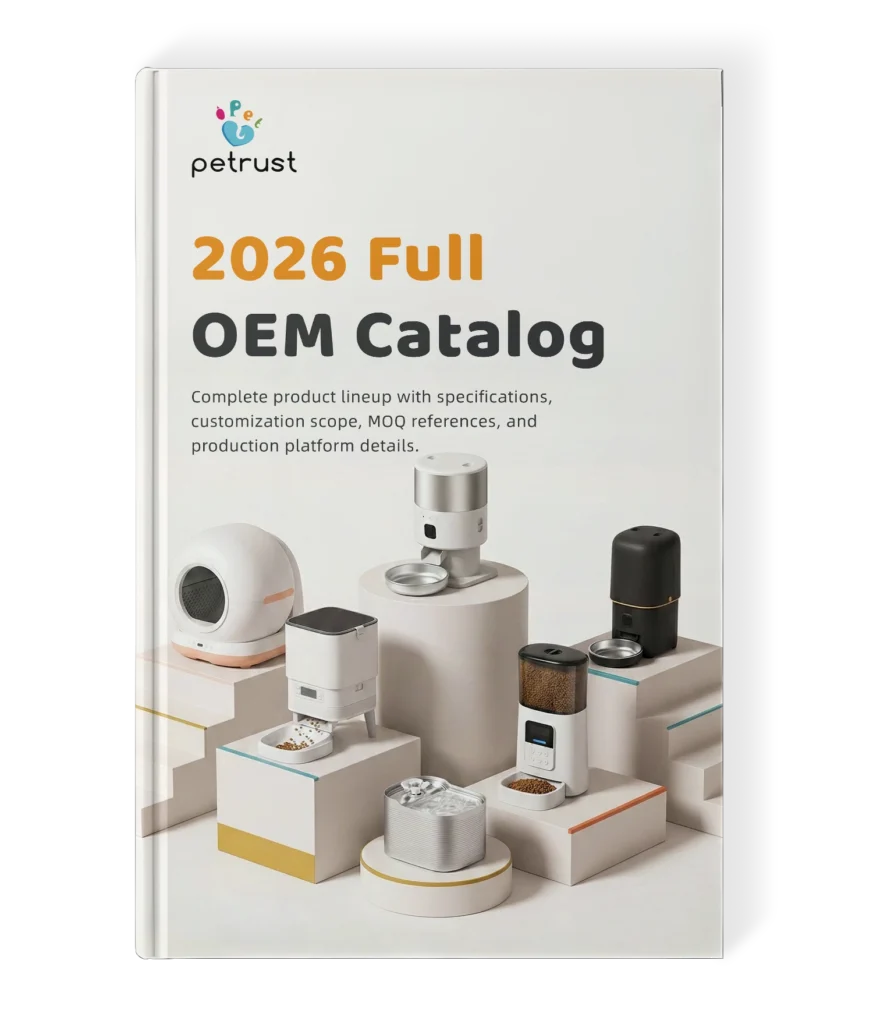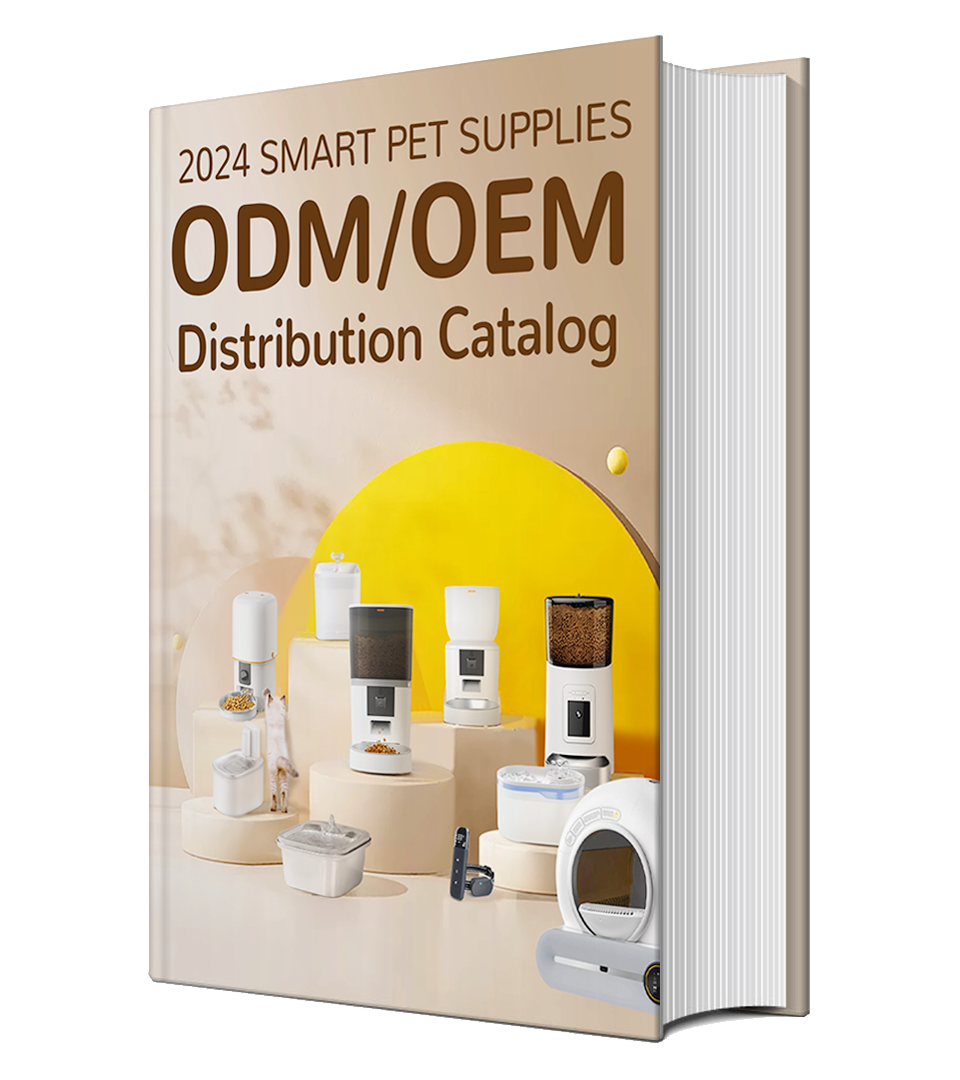

Creating a precise OEM brief for pet product manufacturers is one of the most important steps for any brand looking to collaborate successfully with suppliers. From ensuring your product specifications, functional requirements, materials, and compliance standards are crystal clear, to preventing miscommunication that can cause costly delays, a thoughtfully prepared brief sets the stage for smoother production and accurate quotes.
Brands that skip this step often encounter inaccurate pricing, repeated revisions, or extended timelines—challenges that can be easily avoided with the right approach. For a deeper understanding of the complete OEM manufacturing process in China, from initial concept to shipping, the detailed guide provides practical insights tailored for global buyers.
Beyond pricing and timelines, a thorough OEM brief for pet product manufacturers also supports robust quality planning. Studies highlighted in the International Insurance Forum’s Advanced Product Quality Planning (APQP) manual show that early-stage documentation—covering design reviews, design-for-manufacturability, and prototyping—significantly reduces production defects and ensures smoother mass production.
By laying out expectations clearly at the start, brands can create a foundation of trust and efficiency with their manufacturing partners, making the path from concept to finished pet product far more predictable and successful.
What Is an OEM Brief for Pet Product Manufacturers?
An OEM brief for pet product manufacturers is more than just a document—it’s the roadmap that bridges your product concept with the manufacturer’s production capabilities. This comprehensive brief communicates every essential detail about your product, allowing factories to assess feasibility, estimate costs accurately, and plan efficient production.
It typically includes technical drawings, materials, compliance requirements, packaging details, and expected delivery schedules. Brands that overlook early-stage details often encounter pitfalls, making familiarity with common OEM manufacturing mistakes invaluable from the very start.
Why a Clear OEM Brief for Pet Product Manufacturers Determines Cost & Lead Time
Providing a clear and detailed OEM brief empowers manufacturers to calculate tooling, material, and labor costs precisely while defining minimum order quantities (MOQ) and realistic lead times. Supplying accurate product dimensions, tolerances, and CAD or 3D files allows suppliers to anticipate potential engineering adjustments, reducing delays during production runs.
This early clarity directly influences cost efficiency, ensuring unit price calculations align with your expectations. Insights on smart pet product manufacturing costs and material selection help buyers understand how choices made in the brief shape overall project budgets and quotations.
Specifying material grades, tolerances, and quality gates in the OEM brief helps prevent common downstream issues. Research highlighted in a peer-reviewed study from MDPI demonstrates that structured quality control checkpoints during design and early production significantly minimize rework, engineering changes, and cost overruns—saving both time and resources.
Quick Material & BOM Checklist:
| Material / Component | Tolerance | Quality Gate | Notes |
| Plastic grade | ±0.1 mm | Sample check | Ensure durability |
| Metal fittings | ±0.05 mm | QC inspection | Verify corrosion resistance |
| Electronics | N/A | Functional test | Validate sensor accuracy |
| Packaging | ±1 mm | Pre-production mockup | Confirm dimensions & print |
Common Misunderstandings About OEM Requirements
Many buyers assume that high-level sketches or brief descriptions are sufficient for obtaining quotes. In reality, manufacturers require detailed information—including product specifications, safety and compliance standards, packaging requirements, and BOM lists (Bill of Materials).
Omitting any of these elements can lead to inaccurate quotations, prolonged sample approval cycles, and potential quality control challenges. Learning how to find reliable OEM manufacturers in China can help brands avoid these common missteps.
Effective communication with suppliers is critical, as it directly shapes costs and production outcomes. Research using a DMAIC-based quality engineering framework from SEI / Carnegie Mellon University indicates that up to 70% of defects originate during requirements and design phases. This underscores the importance of delivering detailed, precise briefings to reduce rework and unexpected expenses.
Key Elements to Include in an OEM Brief
A well-structured OEM brief should leave no critical details unaddressed. Key elements include:
- Product specifications and technical drawings
- Functional requirements and intended user scenarios
- Material selection and components
- Compliance standards and safety requirements
- Packaging, branding, and certification needs
Including these components ensures that manufacturers can provide accurate quotes and maintain production efficiency. For deeper insights on what suppliers actually need in an OEM brief, our extended verification guide provides a practical framework for global buyers.
At Petrust®, after reviewing thousands of OEM briefs across feeders, smart water fountains, and self-cleaning litter boxes, we found that more than 70% of quotation errors stem from missing specifications or incomplete functional descriptions.
A meticulously prepared OEM brief not only shortens sampling timelines but also reduces production risks and unnecessary revisions. That’s why Petrust®’s engineering and R&D teams rely heavily on detailed documentation to evaluate feasibility, tooling, and cost structures—ensuring smooth collaboration from concept to finished product.
How to Prepare an OEM Brief for Pet Product Manufacturers (Step-by-Step)
Crafting a thorough OEM brief for pet product manufacturers is more than just a formality—it’s a way to build clarity, trust, and efficiency with your suppliers. A well-prepared brief ensures manufacturers fully understand your vision, reducing the risk of inaccurate quotes, costly revisions, or delayed timelines.
To complement your brief, you can refer to our smart pet product factory audit checklist, which helps align your documentation with supplier expectations and supports better communication from the start.
Define The Product Vision and OEM Project Scope
Begin by outlining the product’s purpose, target audience, expected features, and overall design vision. Clearly define the project scope, including production volumes, estimated lead times, and any distinctive design elements.
This foundation not only guides suppliers but also frames pricing discussions and feasibility assessments. Thoughtful planning in this stage can help identify real OEM capabilities in Chinese pet product factories, ensuring you work with partners capable of meeting your expectations.
Create a Clear Technical Diagram and Component List
Provide detailed CAD files, 3D drawings, product dimensions, tolerances, and a complete BOM list. Include information about material selection, prototyping needs, and any anticipated engineering modifications.
Clear technical diagrams allow manufacturers to understand exactly what is required, reducing the likelihood of production errors and costly adjustments. For additional guidance on verifying capabilities remotely, refer to our step-by-step remote factory audits for pet product manufacturers guide.
Minimum Inputs Checklist for Cat Feeder OEM Briefs:
- CAD/3D files with all components labeled
- Exact product dimensions with tolerances
- Material specifications (plastic, metal, electronics)
- BOM list with quantities and sourcing notes
- Prototype or reference sample images
- Functional requirements and expected lifespan
Following this checklist makes “how to write an OEM brief for cat feeders” actionable, giving manufacturers the clarity needed for accurate quotations.
Provide Packaging, Branding & Certification Requirements
Include packaging specifications, labeling requirements, and relevant safety or compliance certifications. Clearly state shipping terms (FOB/EXW/CIF), minimum order quantities, and any testing standards or sample approval criteria.
These details help suppliers provide precise quotes and maintain smooth production. For best practices, reference our pet product certifications guide (CE, FCC, FDA) and smart pet product quality control guide, ensuring your brief reflects industry standards and expectations.
OEM Brief for Pet Product Manufacturers: What Information Suppliers Actually Need
Knowing what suppliers require is key to avoiding miscommunication and achieving accurate quotations. Our verify smart pet product manufacturers guide outlines proven methods for confirming supplier reliability before sending your brief, giving you confidence in your sourcing decisions.
Required Inputs for Accurate OEM Quotation
Suppliers need comprehensive details including product dimensions, material choices, CAD files, BOM list, safety standards, compliance certifications, packaging specifications, and estimated production volumes.
Providing these details allows factories to calculate unit prices accurately, create cost breakdowns, and assess tooling requirements. For further insights on pricing, you can refer to our hidden costs when importing smart pet products from China guide.
MOQ, Tooling, and Production Constraints to Clarify Early
Clarifying minimum order quantities, tooling and mold costs, production runs, and lead times upfront prevents unexpected expenses and manufacturing delays.
Our guidance on how MOQ and material choice affect pet product manufacturing costs can help you plan effectively, while a cost comparison of OEM vs ODM pricing models gives additional clarity for strategic decision-making.
How to Communicate Target Price & Market Position
Use your brief to communicate expected unit price ranges, target markets, and desired quality levels. A structured pet product OEM communication checklist ensures suppliers fully understand your goals, making collaboration smoother and increasing the likelihood of receiving accurate, actionable quotations.
Templates & Examples: Build a Professional OEM Brief for Pet Product Manufacturers
Creating a high-quality OEM brief for pet product manufacturers becomes much easier when you have structured templates and real-world examples to guide the process. Templates help ensure that no critical detail is overlooked—from product specifications and functional requirements to compliance and safety standards.
For additional insights on documenting product samples effectively, brands often reference our practical how to request and evaluate pet product samples from China article, which complements the briefing process and helps avoid common miscommunication issues with suppliers.
Example OEM Brief Template for Pet Tech Products
This comprehensive template guides brands through all essential elements: product specifications, technical drawings, functional requirements, compliance and safety standards, material selection, and sample approval procedures.
It can be adapted to a variety of smart pet devices, whether you are producing feeders, fountains, or intelligent litter boxes, ensuring every manufacturer fully understands your expectations before production begins.
Example OEM Brief Template for Pet Feeders, Drinkers & Litter Boxes
Beyond the product itself, this template addresses packaging, branding, certifications, MOQ, lead time, tooling cost estimates, and production run details. Using a structured approach like this significantly reduces miscommunication and allows manufacturers to provide accurate, reliable quotations, helping your business maintain timelines and budgets with confidence.
Common Mistakes in OEM Briefs & How to Avoid Them
Even experienced brands can make mistakes when preparing an OEM brief for pet product manufacturers. Avoiding these common pitfalls not only saves time and reduces costs but also prevents unnecessary revisions that could delay product launches.
For a more detailed perspective, consider reviewing our insights on common OEM manufacturing mistakes and strategies to prevent them, which help buyers anticipate and mitigate risks.
Vague Specifications
Ambiguous product dimensions, unclear tolerances, or undefined material selections often trigger engineering changes, extended prototyping phases, and inaccurate quotations. Clear, precise specifications are essential to avoid these delays and ensure the product meets your quality standards from the start.
No Regulatory Requirements Provided
Neglecting to include safety standards, compliance details, or certification documentation can stall sample approvals and add unexpected production costs. Explicitly stating regulatory expectations prevents confusion and ensures a smoother production process.
Missing Cost Target, Packaging Requirements, or Test Standards
Incomplete information on packaging, branding, target pricing, or quality control checkpoints often leads to inaccurate unit price calculations, hidden costs, and production inefficiencies. Including these elements upfront allows manufacturers to provide transparent, realistic quotations and reduces the risk of costly surprises later.
Conclusion
A thoughtfully prepared OEM brief for pet product manufacturers is a cornerstone of successful product development. By providing complete technical details, clear functional requirements, compliance and certification information, and packaging specifications, brands create a shared understanding with their manufacturing partners. The result is faster production cycles, reduced costs, and higher-quality pet products.
Following this guide and leveraging structured templates helps brands avoid miscommunication, reduce errors, and collaborate effectively with factories, ultimately bringing innovative pet products to market more efficiently.