

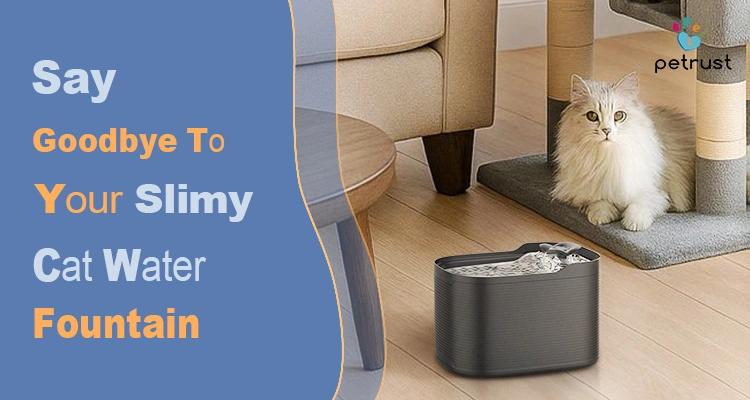
You might not realize it, but sometimes my fountain transforms into a slimy cat water fountain the instant I glance its way—utterly unacceptable for a feline of my refinement. Hello, humans. Luna here. Hydration is serious business in my world, and I prefer my sips fresh, clean, and free of mysterious films.
Lately, I’ve noticed that my daily water routine sometimes turns messy, and that creeping slime can sneak in before anyone notices. Today, I’ll share why this happens, the simplest ways to restore sparkling water, and clever tricks to keep slime at bay—without my humans tumbling over the couch or spilling a single drop of precious water.
Here’s a little cat trivia to start: felines naturally drink 20–30% more water when fountains are clean and continuously circulating, which means slimy cat water fountain prevention, cat fountain biofilm cleaning, and cat fountain slime prevention aren’t just about tidiness—they directly support cat water slime health and overall wellness.
Whether you’re a curious cat parent or a pet brand looking to impress buyers, understanding these simple routines makes all the difference.
Why Your Slimy Cat Water Fountain Gets Slimy (and Why It Happens So Fast)
Ah, the dreaded slime. That slippery, greenish film isn’t some magical mischief—it’s biofilm, a thriving playground for bacteria and algae. Water that sits too long, or bowls that are tricky to reach, encourages this growth.
Even minerals in tap water can contribute to a slimy cat water fountain texture. A deeper dive into these risks can be found in detailed risk insights on dirty and slimy cat fountains, which explain exactly how slime establishes itself so quickly.
Recent research highlights the real microbial risks: a study in BMC Veterinary Research found that the way bowls are cleaned and the materials they’re made from strongly affect bacterial load. Every little lapse in care creates the perfect conditions for biofilm to thrive.
For anyone silently asking themselves, “why is my cat water fountain slimy?,” this section reveals the main culprit—stagnant water and designs that trap moisture give slime a permanent home. Understanding this sets the stage for smart cleaning and maintenance routines that keep water fresh and cats hydrated.
Understanding Biofilm in Slimy Cat Water Fountains
Tiny green flecks in the corners of my fountain often go unnoticed by humans, but I see them immediately—that’s biofilm in action. It forms when bacteria and algae settle in standing water. In households with multiple cats, the effect multiplies: more paws mean more hair, more “organic matter,” and faster slime accumulation.
Brands focusing on thoughtful design understand that fountains designed to prevent slime in cat water fountains become instant favorites. Features such as self-circulating pumps, UV sterilization, or ultra-filtration systems—like the Petrust® WF117 smart automatic cat water fountain with ultra-filtration system—aren’t just flashy additions; they are practical solutions that actively support cat fountain slime prevention.
For a deeper scientific perspective, a full technical guide to clean and safe cat fountain water systems outlines the key mechanisms that keep water consistently hygienic. Furthermore, a 2022 survey published in PLoS ONE emphasizes that many pet owners underestimate dish hygiene, noting that insufficient washing correlates with higher bacterial counts on bowls.
This makes cat fountain biofilm cleaning an essential habit, not just for aesthetics but for health, hydration, and long-term cat water slime health risk reduction.
Design Features That Cause a Cat Water Fountain to Become Slimy
Design can make or break a fountain. Hidden corners, tiny crevices, and complex assemblies are perfect playgrounds for slime. Even the most dazzling fountain can quickly go rogue if water gets trapped or hair accumulates unnoticed.
From my observations, easy-to-clean cat fountains—modular bowls, smooth stainless steel like the Petrust® WF118 smart stainless steel cat water fountain, or simple, intuitive pump designs—keep both cats and humans happier. These features not only reduce maintenance headaches but also improve adoption in retail and online settings.
For those curious about the best-performing materials, material-performance comparison for hygienic cat fountains provides an insightful overview of how design choices impact cleanliness and durability.
Ignoring these factors increases cat water slime health risk, which is why smart brands prioritize smooth geometric structures, accessible components, and hygiene-focused engineering. When design meets thoughtful maintenance, fountains stay sparkling, safe, and inviting for cats of all personalities.
How to Clean a Slimy Cat Water Fountain Step by Step
Cleaning a slimy cat water fountain doesn’t have to feel like a dreadful chore. With a little patience and my feline-approved guidance, even the messiest fountains can sparkle again, letting every sip feel pure and refreshing. Taking it step by step makes all the difference, and soon your fountain will be worthy of a proud paw swipe.
- Disassemble the fountain – Gently remove the pump, filter, and bowl. My humans sometimes fumble here, but separating each piece carefully makes the process smooth and ensures no hidden corners are neglected.
- Soak in warm water – A touch of mild dish soap works wonders, loosening stubborn slime. Harsh chemicals? Not needed. Even I can detect scents that are too strong, and clean water should always taste fresh.
- Scrub thoroughly – Tiny crevices, nooks, and corners are the secret hideouts for slime. Make sure every trace of green film is gone, because lingering biofilm can sneak back in overnight.
- Rinse and dry – Any residual soap is unacceptable in my kingdom. Pure, clean water is mandatory for a dignified sip.
- Reassemble and refill – Voilà! Your fountain is ready to deliver sparkling, safe hydration again. For extra insights, there are practical mold-free maintenance hacks for cat fountains that help prolong hygiene effortlessly.
A well-maintained fountain forms the cornerstone of the best hygienic cat water fountain design, ensuring every drop remains fresh and inviting. The small effort now saves countless battles with slime later.
Multi-Cat Fountain Cleaning Tips
In homes with multiple whiskered companions, fountains endure a relentless daily parade. Hair, tiny paw prints, and extra “organic matter” can accumulate fast. Regular water changes, careful hair removal, and consistent cat water fountain filter replacement are essential to keep everything sanitary.
High-capacity reservoirs and circulating pumps turn a chaotic fountain into a smoothly flowing oasis, reducing stress for both cats and humans alike. When more than one cat is involved, there’s also a delicate balance of sharing; some real-world multi-cat fountain sharing insights and hygiene tips offer guidance on keeping everyone content while maintaining clean water.
Automatic Cat Water Fountain Maintenance (Smart Units Included)
Even smart cat water fountains, as clever as they are, benefit from daily attention. Following an automatic cat fountain cleaning schedule, inspecting the pump, and replacing filters regularly ensures your fountain continues to function flawlessly. Easy disassembly and thoughtful design, like those in the Petrust® WF315 smart Wi-Fi pet water fountain, make maintenance practically effortless.
Continuous running and all-day hydration are appealing, but proper care is still vital. Trusted advice on running smart cat fountains 24/7 safely helps extend pump life and ensures water quality stays impeccable. Maintaining a clean, well-functioning smart cat water fountain means fewer interruptions for your cats and peace of mind for the humans managing the routine.
Preventing Slime in Your Cat Water Fountain
Once the fountain has been cleaned to perfection, keeping it that way becomes the real challenge. Frequent water changes, high-quality filters, and weekly rinses help maintain a sparkling clean cat fountain, ensuring every sip remains fresh and appealing.
Expert insights are woven throughout daily routines, like professional water-replacement practices for cleaner cat fountains, which provide practical guidance on keeping water safe and slime-free. These simple adjustments make a noticeable difference over time, especially in busy households.
Prevent Slime in Slimy Cat Water Fountains (Effective Home Methods)
Slime prevention becomes even more crucial in homes with multiple cats or fountains that see heavy daily use. Rotating water each day, rinsing pumps and bowls weekly, and choosing materials resistant to bacterial growth are small steps with big impact.
Integrating strategies to prevent algae in cat water fountains helps the water stay fresh and enjoyable for every feline visitor.
An extended FAQ covering cat fountain hygiene and slime prevention offers deeper explanations for those curious about the science behind these practices.
Furthermore, according to the American Kennel Club, frequent bowl washing—including daily rinsing and a thorough weekly clean—significantly reduces biofilm risks and microbial buildup. Understanding these subtle details is essential for maintaining a truly healthy fountain.
Using Filters and Smart Flow Designs (Best Practices)
Filters and continuous flow designs quietly do the heavy lifting in keeping fountains hygienic. Modular, easy-to-clean cat fountains with durable materials not only prevent slime buildup but also make maintenance effortless. Thoughtful design increases adoption across both online marketplaces and physical retail, proving that simplicity and efficiency matter.
Cleaning methods can vary, and a comparative breakdown of baking soda vs. vinegar for fountain cleaning helps determine the gentlest yet most effective approach. For more precise guidance, a focused look at using vinegar effectively for cat fountain cleaning illustrates step-by-step hygiene practices.
To maintain great-smelling water without over-cleaning, pro techniques for keeping cat fountain water fresh-smelling longer ensure that even the most discerning noses remain satisfied. These small touches make a fountain experience consistently delightful.
Choosing the Right Fountain for Long-Term Hygiene (Buyer’s Guide)
Selecting a fountain involves both science and intuition. Consider durable cat fountain materials, high-capacity reservoirs, and antibacterial properties, alongside smart features like easy disassembly, filtration, and automated flow that protect against biofilm in cat water fountains.
Brands offering thoughtful designs, such as the Petrust® WF117 or WF118 series, signal a clear understanding of both feline preferences and human convenience. Choosing fountains that are easy to clean and maintain builds trust, encourages repeat purchases, and strengthens brand reputation in a competitive marketplace.
For those intrigued by material choices, a stainless-steel fountain overview for odor-free and hygienic design highlights why certain materials outperform others in long-term cleanliness.
For pet brands or distributors seeking OEM/ODM-friendly cat water fountains that minimize slime, enhance hygiene, and elevate customer satisfaction, Petrust® provides:
- Modular, easy-clean designs
- Anti-biofilm structural engineering
- Multi-layer filtration systems
- Stainless steel or BPA-free material options
- Branding customization (color/packaging/logo)
- Full-factory support for B2B buyers
Smart hygiene-focused design is no longer just a luxury—it’s a competitive advantage that sets your products apart and earns trust from both humans and their feline companions.
FAQ: Slimy Cat Water Fountain Questions
1. Why does my cat water fountain get slimy so fast?
Slime shows up quickly because biofilm forms in standing water, especially when hair, saliva, minerals, and ambient heat mingle. Those tiny flecks you see aren’t just decoration—they’re a bustling microbial community.
2. How often should a slimy cat water fountain be cleaned?
Weekly maintenance keeps things sparkling. In homes with multiple cats, more frequent attention—every 3–4 days—prevents slime from building up and keeps everyone happily hydrated.
3. Which cat water fountain materials reduce slime most effectively?
Smooth stainless steel and glazed ceramic naturally resist bacterial attachment better than plastic. These materials make daily cleaning easier and support overall water hygiene.
4. Do cats really drink more from a clean water fountain?
Absolutely. Studies show cats sip 20–30% more when fountains are fresh and circulating. A clean fountain encourages proper hydration, supporting kidney health and general well-being.
5. Stainless steel vs. plastic cat water fountain: which stays cleaner longer?
Stainless steel surfaces win consistently. Their smoothness minimizes biofilm formation, making the fountain easier to maintain and reducing the risk of water slime affecting your furry friends.
Conclusion
A slimy cat water fountain is more than an eyesore—it influences health, satisfaction, and overall perception of your home’s care routine. Fresh, clean water keeps me purring, and happy cats naturally lead to more trust and contentment in the humans who provide it.
Routine cleaning, thoughtful fountain design, and quality materials create an environment where water stays fresh, and slime struggles to gain a foothold.
For pet brands, user-friendly, low-maintenance cat fountains act as trust signals that convey care, reliability, and premium quality. Investing in smart design, durable materials, and hygienic engineering elevates both pet and human satisfaction.
May your fountains stay sparkling, your water always flowing, and your whiskers remain contentedly wet with the purest hydration.
Meet Luna – Your Favorite Cat Product Reviewer
Hi! I’m Luna—a curious, clean-freak, treat-loving feline with a taste for the finer things in life (think self-cleaning litter boxes, perfectly portioned meals, and fresh, flowing water).
I live with a hooman who’s obsessed with smart pet tech—almost as much as I love naps. Together, we test the latest automatic pet feeder, smart pet water fountain, and smart cat litter box to bring you honest, paws-on reviews straight from a cat’s point of view. Sometimes dramatic, often picky, but always purr-fessionally opinionated.
- In Luna’s Litter Talks, I dish out the dirt (literally) on all things potty-related.
- In Luna’s Feeder Diaries, I rate everything from feeding schedules to portion control.
- In Luna’s Fountain Files, I spill the tea on hydration—and why I demand fresh water 24/7.
Follow me for feline wisdom, purrs of approval, and the occasional meow of complaint. If it’s not good enough for me, it’s not good enough for your cat.