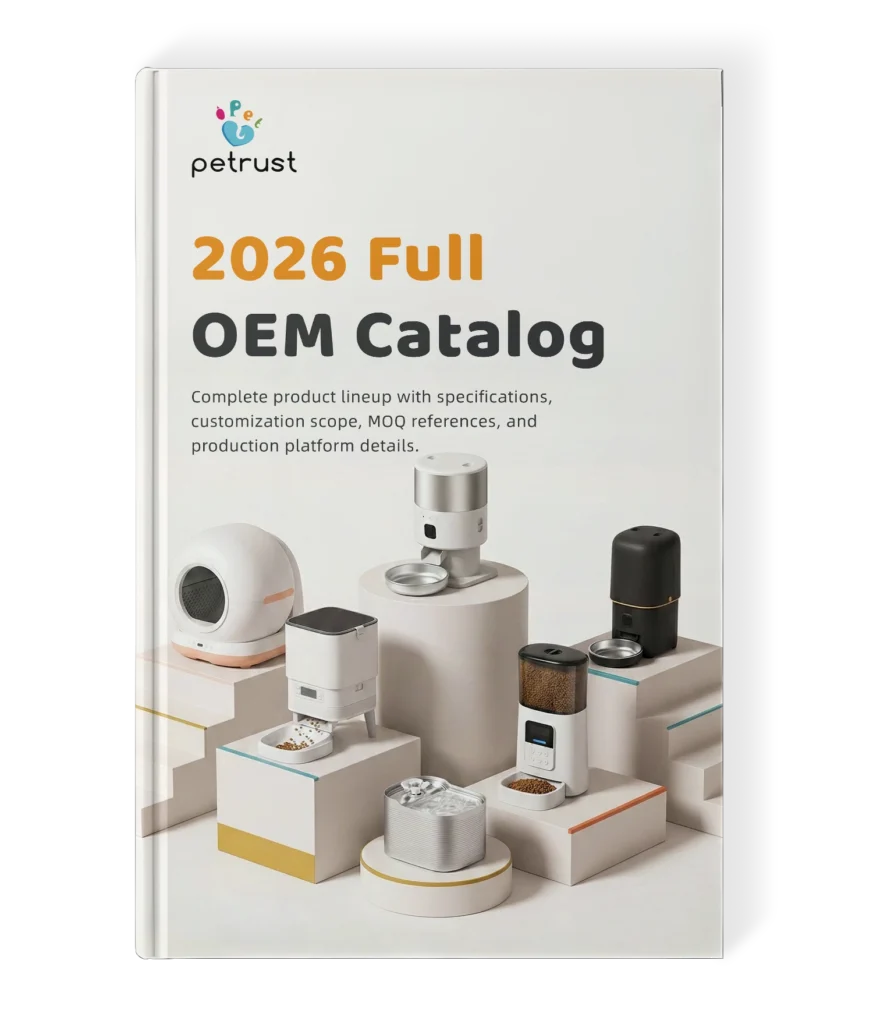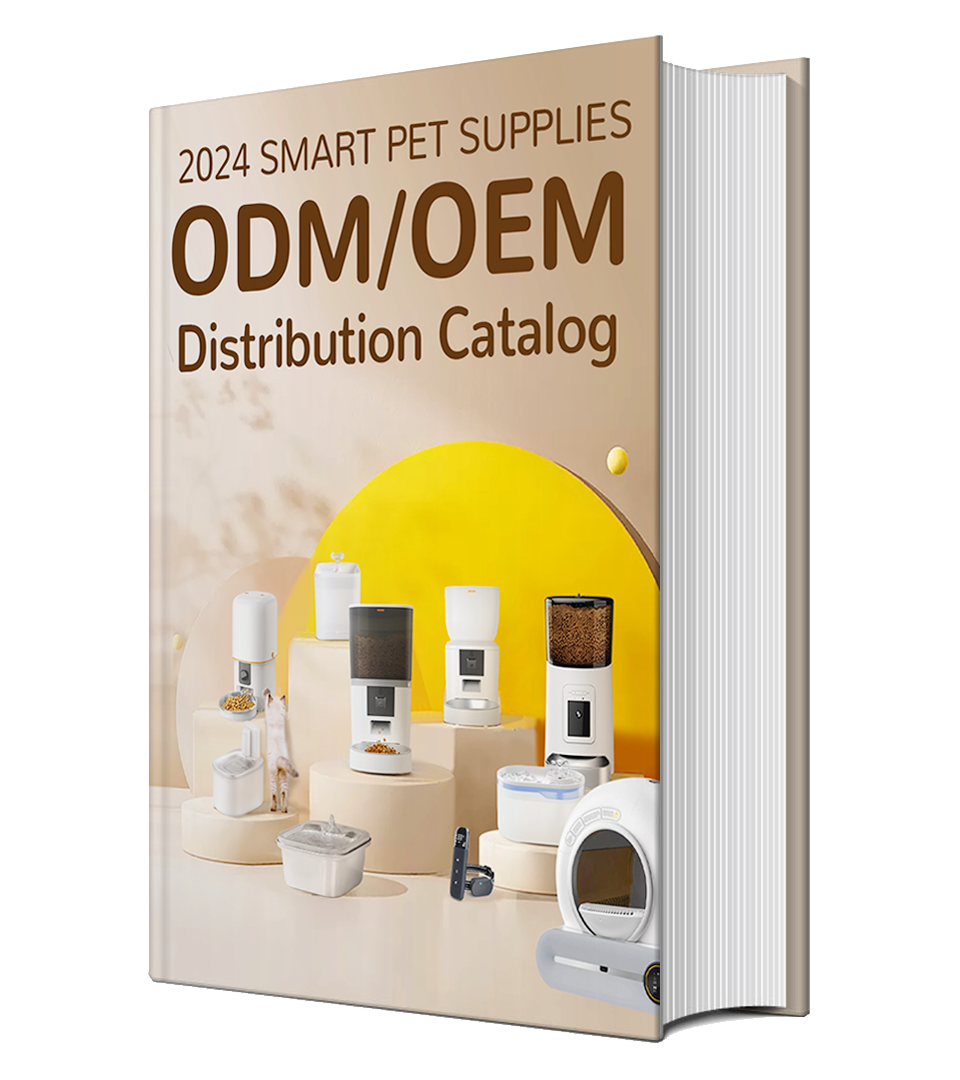

Automatic cat feeder manufacturer decisions often look straightforward at first—until you start comparing real options and realize how many variables quietly affect your outcome, from product reliability to margins, user experience, and long-term brand positioning.
The global demand for smart pet care is accelerating, and automatic feeders have quickly evolved from simple timers into intelligent, connected devices.
What used to be a functional product is now expected to deliver convenience, control, and even emotional reassurance for pet owners who are away from home.
According to the American Pet Products Association’s latest industry outlook, pet tech adoption continues to grow alongside increased spending on pet wellness and convenience-driven solutions.
This shift is creating opportunity—but also raising the bar for what a competitive product actually looks like.
From a buyer’s perspective, the challenge isn’t just finding a supplier anymore.
It’s about making the right combination of decisions—choosing the right partner, selecting features that truly matter to your target users, and positioning your product in a way that stands out in an increasingly crowded market.
That’s why many buyers navigating options like an automatic cat feeder manufacturer in China, comparing different automatic cat feeder models, or shortlisting an OEM automatic cat feeder supplier often find themselves circling back to one critical question:
Which product will actually succeed in my market?
This guide is built to answer that.
This guide will help you choose the right automatic cat feeder manufacturer and the right model for your business.
How to Choose the Right Automatic Cat Feeder Manufacturer for Your Business
Working with the right automatic cat feeder manufacturer is rarely just about getting a product made—it’s about protecting your margins, your customer experience, and ultimately your brand reputation.
Many buyers only realize this after facing issues that could have been avoided earlier.
Returns start increasing, reviews mention the same recurring problems, and suddenly the focus shifts from growth to damage control.
The wrong partner leads to:
- Cat feeder quality issues
- High return rates
- Lost brand trust
Those outcomes don’t happen randomly—they’re usually the result of decisions made during supplier selection.
For anyone trying to understand why some sellers struggle with returns while others scale smoothly, Why Some Cat Feeder Suppliers Cause High Return Rates might offer useful context behind those patterns.
As you move deeper into supplier evaluation, a clearer picture starts to form of what actually separates a dependable partner from a risky one.
What Makes a Reliable Automatic Cat Feeder Manufacturer?
A capable automatic cat feeder manufacturer does far more than assemble products. The real value shows up in how consistently the product performs after it reaches your customer.
A reliable partner should offer:
- Stable app connectivity
- Proven anti-jam design
- Consistent quality control
- OEM flexibility
- Clear communication
Each of these factors directly impacts your post-sale experience.
For example, unstable app connectivity often leads to negative reviews, while poor anti-jam design can result in feeding failures—both of which affect customer trust more than most buyers initially expect.
In practice, working with a strong pet feeder factory direct partner helps reduce risks not just in production, but across your entire supply chain, from manufacturing consistency to after-sales support.
Post-sale issues are often underestimated during sourcing.
Addressing them early can save significant time and cost later.
That’s where insights like Automatic Cat Feeder Problems That Quietly Destroy Amazon Ratings tend to be especially useful in spotting risks before they scale.
OEM Pet Feeder Factory vs Trading Company: Key Differences
Another layer that often goes unnoticed is who you’re actually working with.
Many buyers assume they’re dealing directly with a factory, only to find out later there’s an intermediary involved.
The difference is more than structural—it affects pricing, speed, and flexibility:
| Factory | Trading Company |
|---|---|
| Direct production control | Outsourced |
| Better pricing | Markup layers |
| Customization flexibility | Limited |
| Faster problem resolution | Delayed |
When building a brand rather than just selling products, direct collaboration with an OEM automatic cat feeder supplier becomes increasingly important.
It allows faster iteration, clearer communication, and more control over product evolution as your business grows.
This is often where scaling brands separate themselves from those stuck in short-term reselling cycles.
Supplier Evaluation Checklist (Quality, App Stability, Support)
At this point, the decision becomes more practical:
how to evaluate suppliers in a way that minimizes risk before placing bulk orders.
A structured supplier reliability checklist can make that process much more objective:
- Is the automatic feeding system tested long-term?
- How stable is the app?
- Are there known pet feeder return rate issues?
- Can they support firmware updates?
These questions may seem simple, but they directly reflect how the product performs in real-world use—not just in factory demonstrations.
Beyond functionality, compliance is another layer that deserves attention. Materials that come into contact with pet food must meet safety standards, and this is often where inexperienced buyers overlook potential risks.
Regulatory guidance from the U.S. FDA emphasizes the importance of safe materials and proper handling in pet feeding systems, particularly for products used daily by pets.
In many cases, challenges don’t come from manufacturing itself, but from overlooking how products perform after weeks or months of use. That’s where a detailed approach pays off.
For a more structured evaluation before committing to volume orders, Most Automatic Cat Feeder Quality Problems Don’t Show Up in Samples can serve as a practical reference point.
Types of Automatic Cat Feeders (From Basic to Smart Models)
When evaluating an automatic cat feeder manufacturer, one of the first decisions that quietly shapes everything else—pricing, positioning, even long-term brand perception—is the type of product you choose to bring to market.
This isn’t just a technical classification. It’s often where business strategy starts to take form.
The category you select will directly influence how customers perceive your brand and how much room you have to grow margins over time.
That’s why product positioning here matters more than it initially seems.
Basic Automatic Cat Feeders (Low-Cost Models)
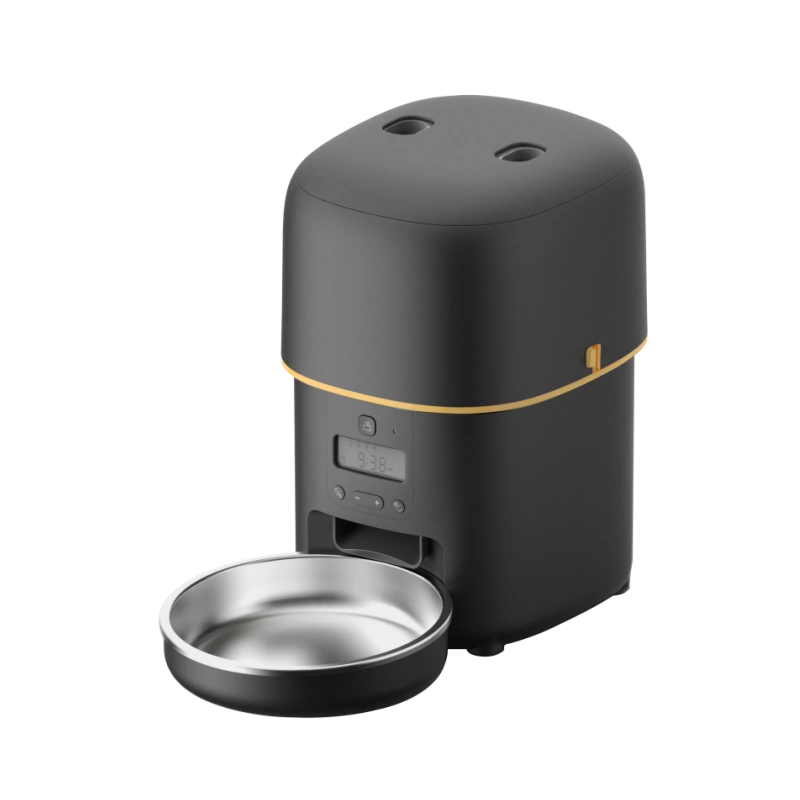
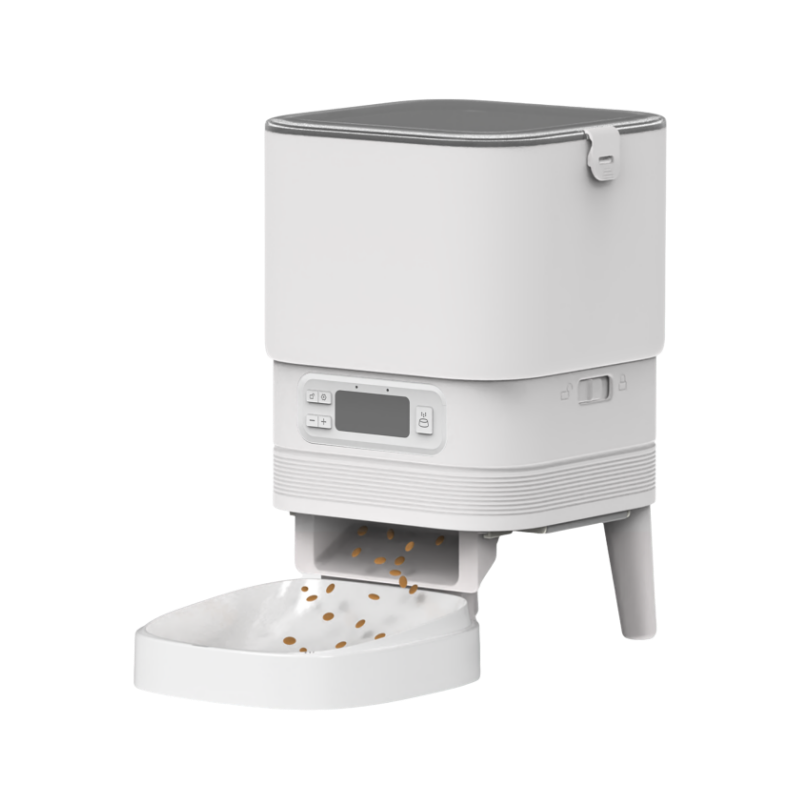
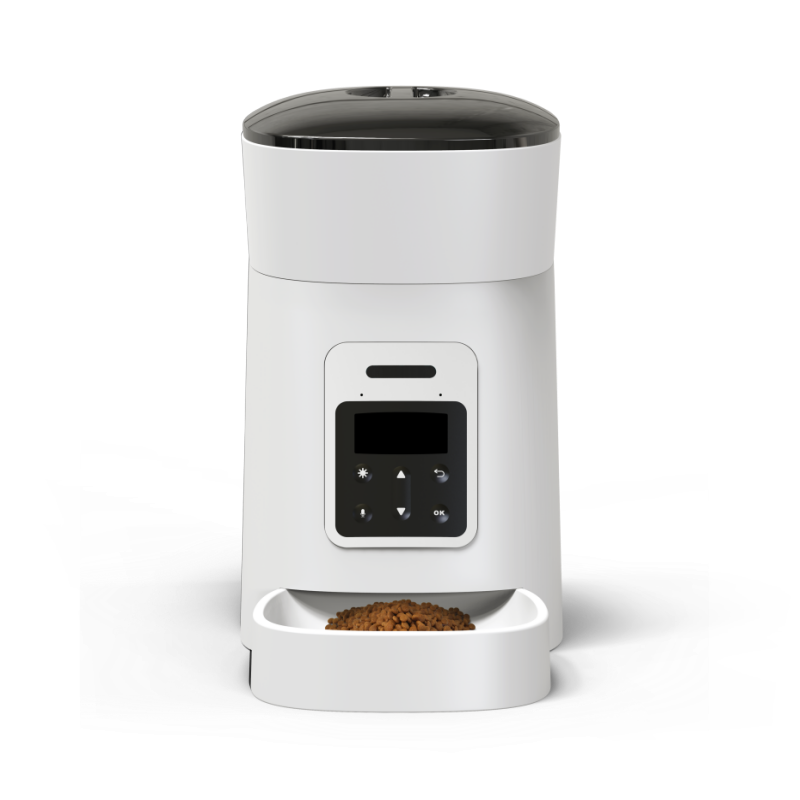
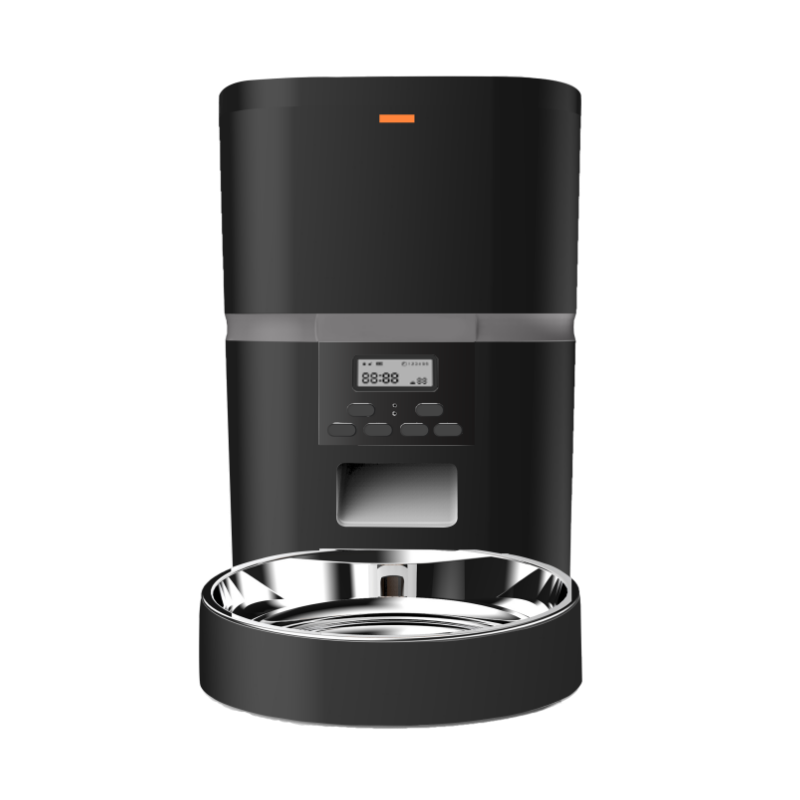
These models are usually the starting point for many sellers entering the market. They focus on simplicity—scheduled feeding, basic portion control, and minimal connectivity requirements.
👉 Business Insight:
They tend to perform best in entry-level markets and wholesale automatic cat feeder distribution channels, where price sensitivity is high and buyers prioritize function over advanced features.
From a risk perspective, these models are relatively stable, but they also leave less room for differentiation.
Competing on price alone can become challenging over time, especially as more sellers enter the same segment.
Smart WiFi Cat Feeders (Mainstream Market)
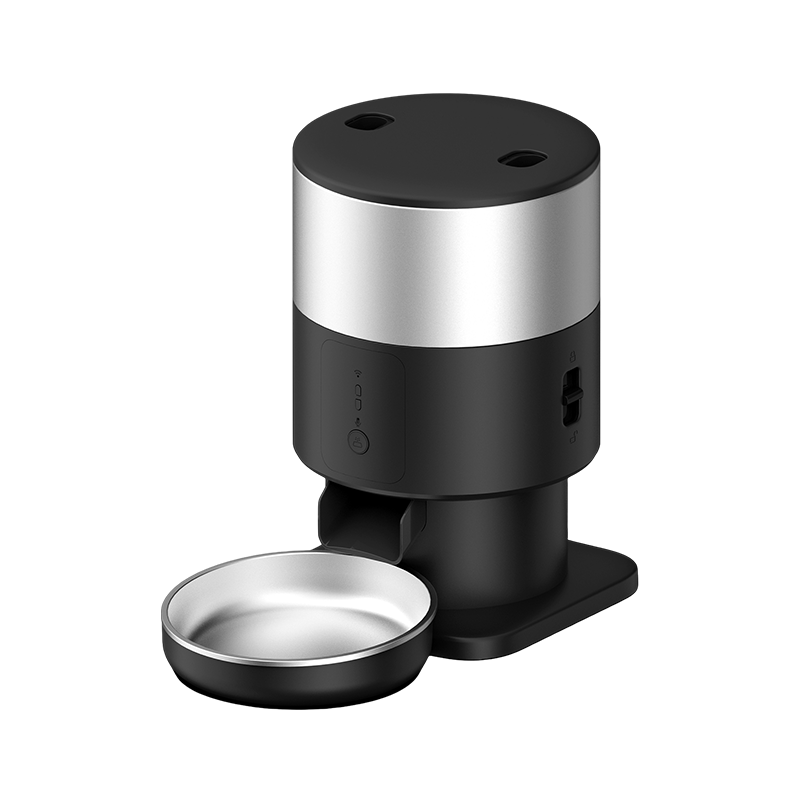
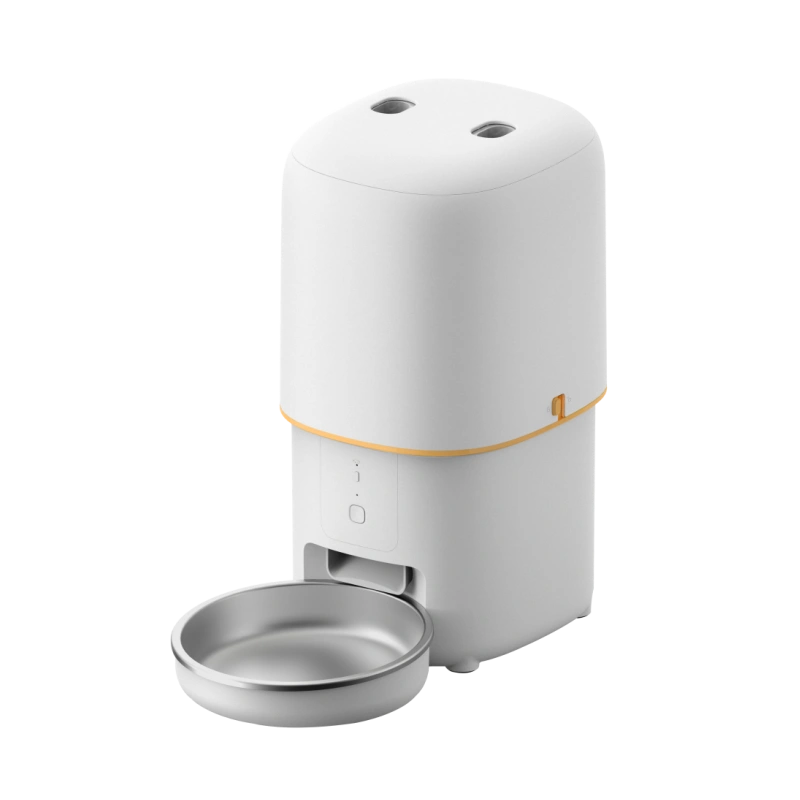
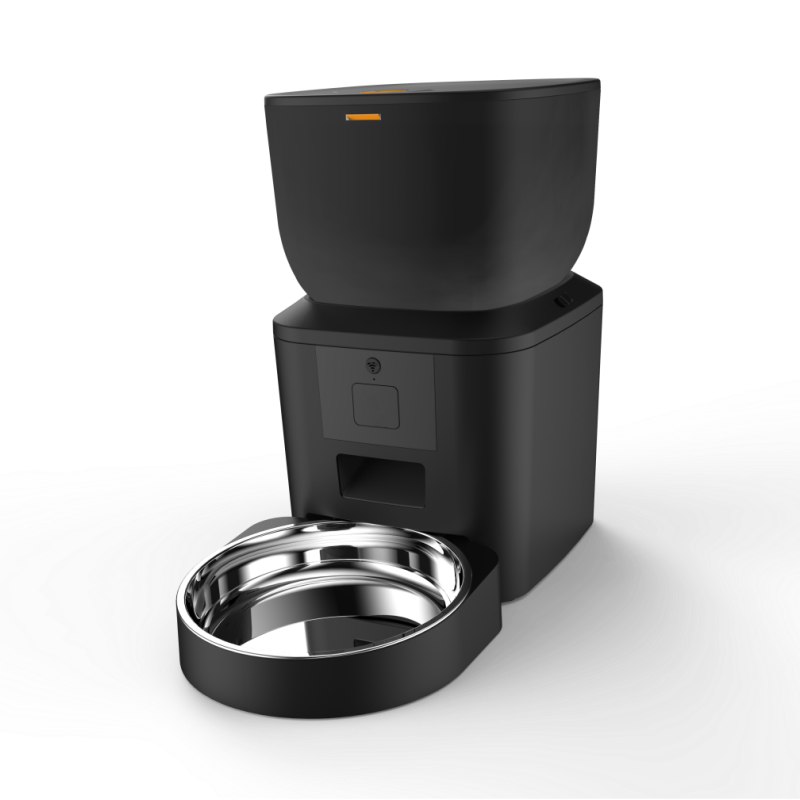
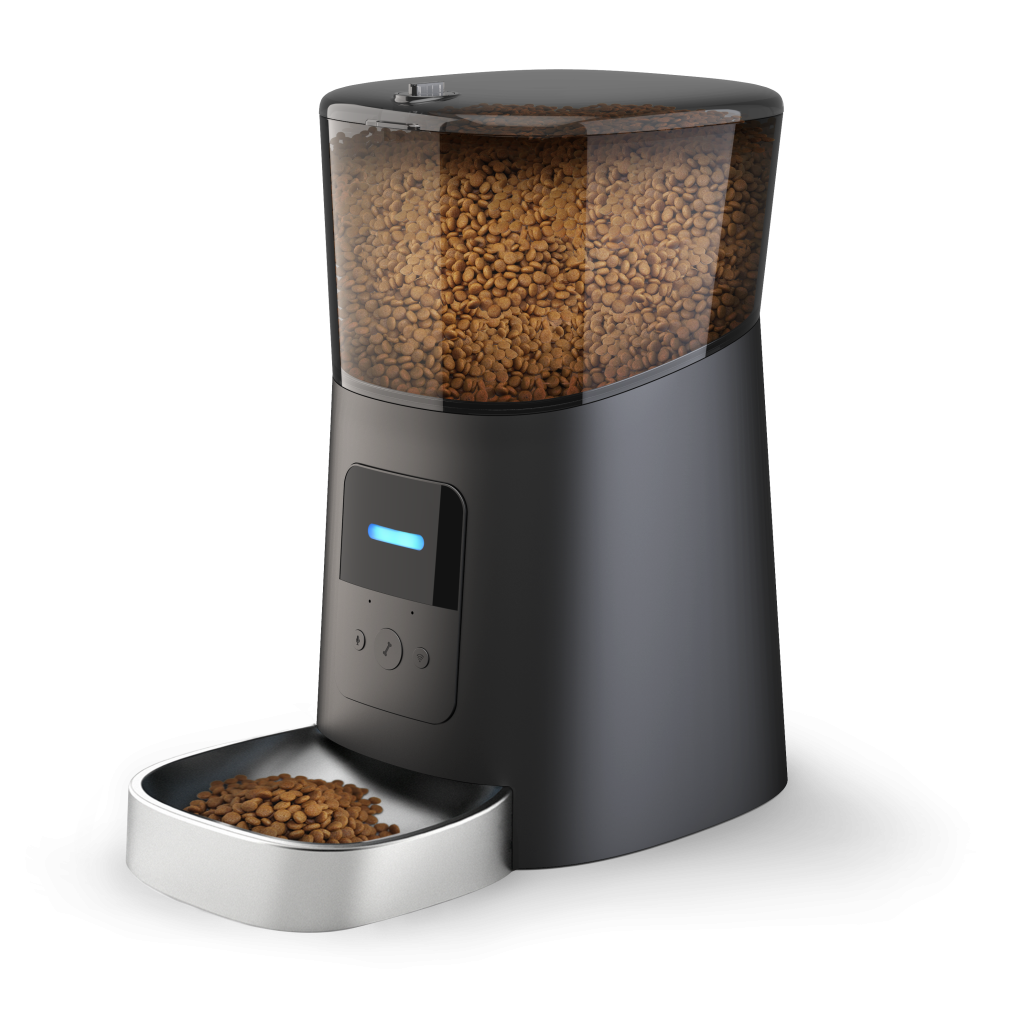
This category has become the core of today’s market. It reflects how most pet owners actually want to interact with feeding systems—remotely, flexibly, and with real-time control.
👉 Business Insight:
This segment often delivers the best balance between production cost and retail pricing, making it a strong candidate for maximizing automatic cat feeder profit margin without overcomplicating product development.
For many growing brands, this is the “sweet spot”—enough functionality to stand out, but still manageable in terms of manufacturing and support complexity.
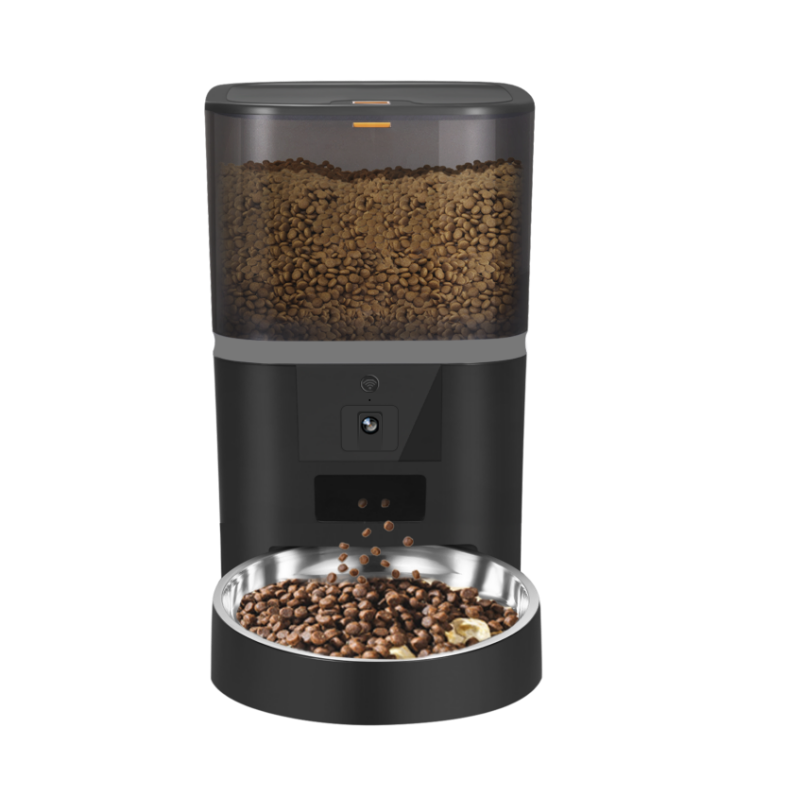
Camera Cat Feeders (High-End Segment)
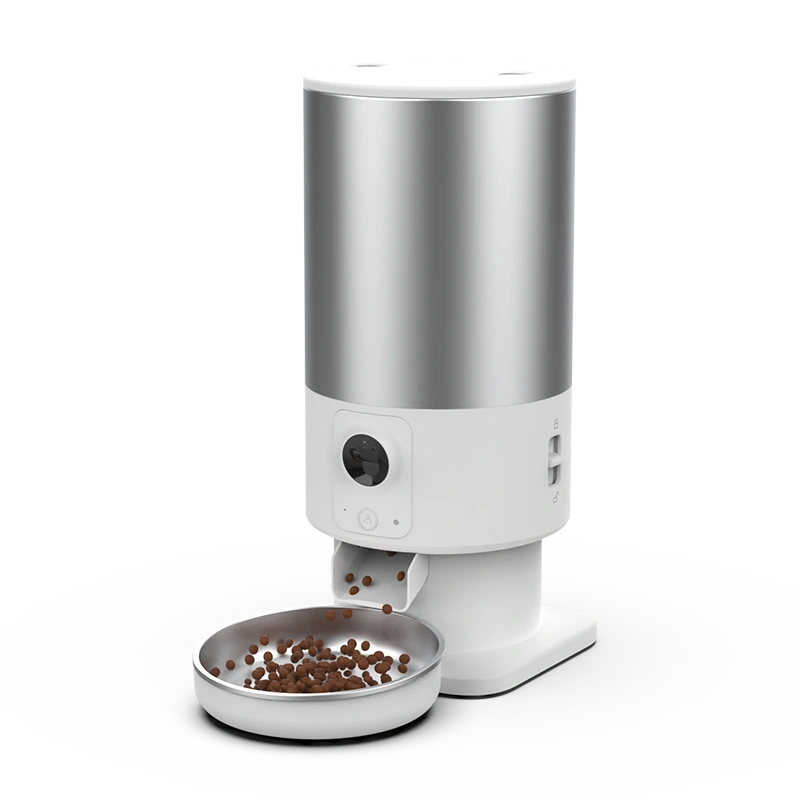
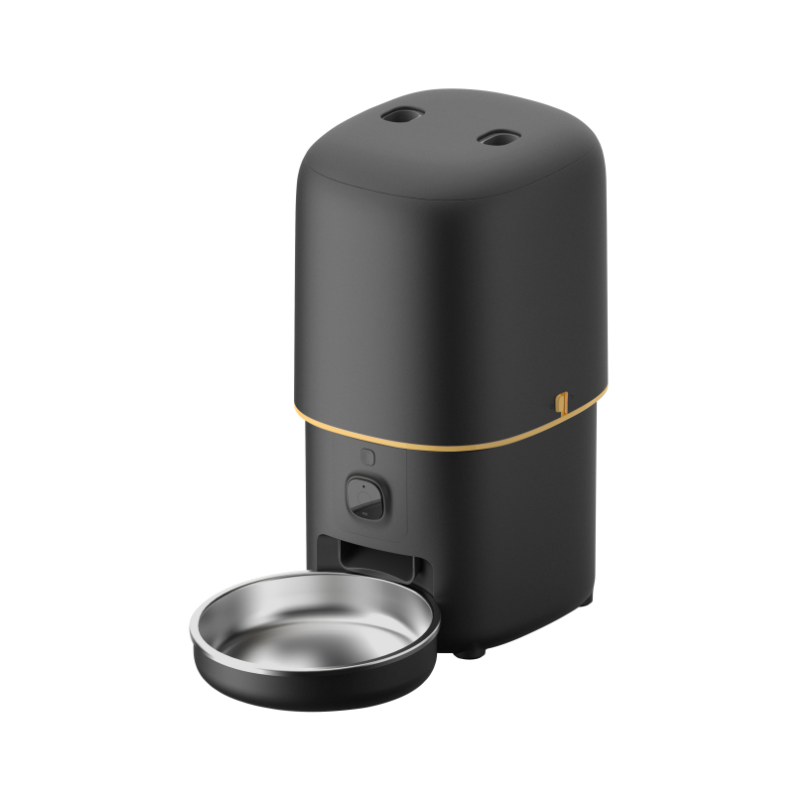
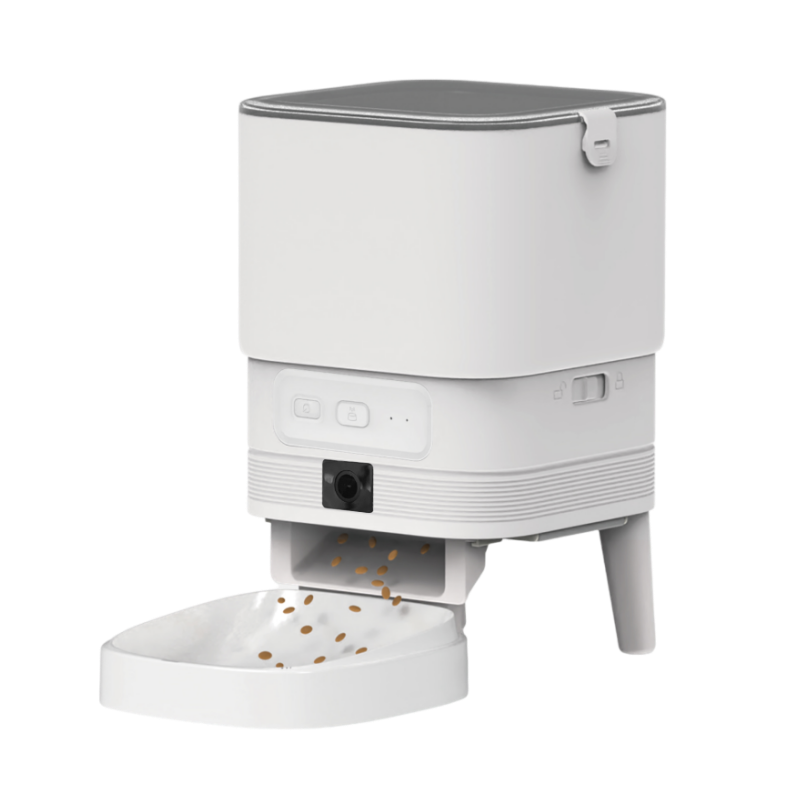
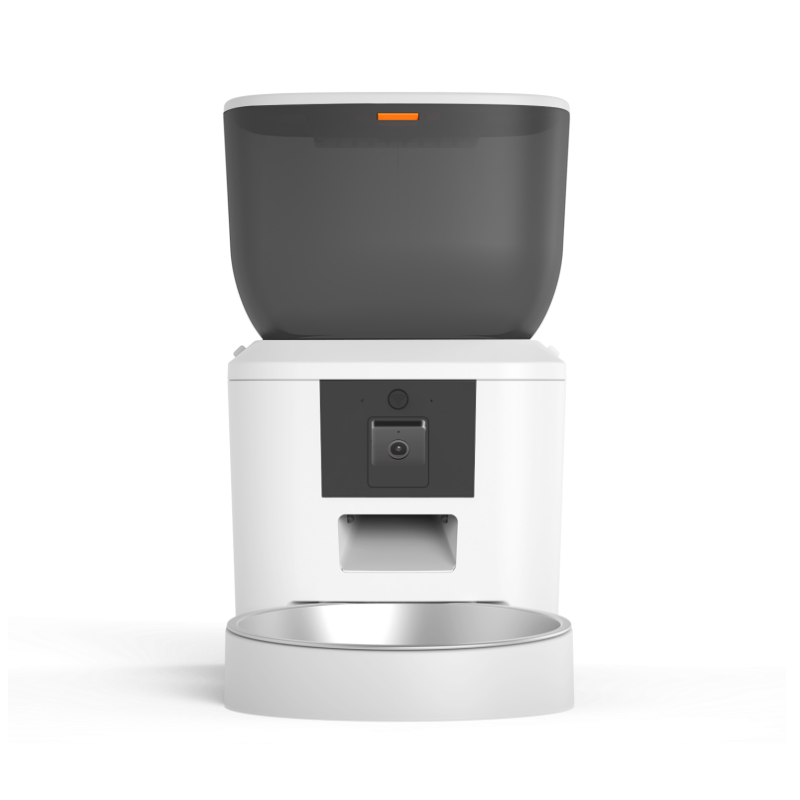
This category moves beyond convenience into experience. It’s no longer just about feeding—it’s about visibility, interaction, and emotional reassurance for pet owners.
👉 Business Insight:
These models are often used for premium branding strategies where product differentiation is essential. They allow brands to justify higher retail pricing and build stronger emotional positioning in the market.
From a strategic standpoint, this is where brands start to shift from “selling hardware” to “selling peace of mind.”
Compare Automatic Cat Feeder Models from a Leading Automatic Cat Feeder Manufacturer
At this stage, most buyers working with an automatic cat feeder manufacturer eventually narrow their decision down to a small number of proven models.
Even though catalogs may include 20+ options, real-world buying behavior tends to concentrate around a few key performers.
Model Comparison Overview
| Model | Best For | Key Advantage | Price Level | OEM Flexibility |
|---|---|---|---|---|
| PF07 | Amazon Sellers | Stable App + Low Returns | $$ | High |
| PF09 | Premium Brands | Camera + High UX | $$$ | Medium |
What becomes clear over time is that most business decisions revolve around a simple trade-off:
- High-volume stability (PF07)
- High-margin brand positioning (PF09)
Both can be successful—it just depends on whether the priority is scaling quickly or building premium positioning.
If you’re still comparing options, you might find Which Automatic Cat Feeder Models Are Actually Worth Private Labeling? helpful for narrowing down direction. Many buyers also revisit comparisons like PF07 vs PF09: Which Automatic Cat Feeder Model Fits Your Business Best? when refining their final selection.
Entry-Level vs Premium Cat Feeder Comparison
The difference between entry-level and premium models is not just about features—it’s about how customers emotionally respond to your product.
Entry-level → focuses on cost efficiency
Premium → focuses on experience and trust
This choice directly influences retail pricing strategy and how your brand is positioned in the minds of customers.
A lower-cost model may help you enter the market faster, but premium models often provide more flexibility in building long-term brand equity.
Best Automatic Cat Feeder for Amazon Sellers
For Amazon-focused sellers, consistency matters as much as conversion.
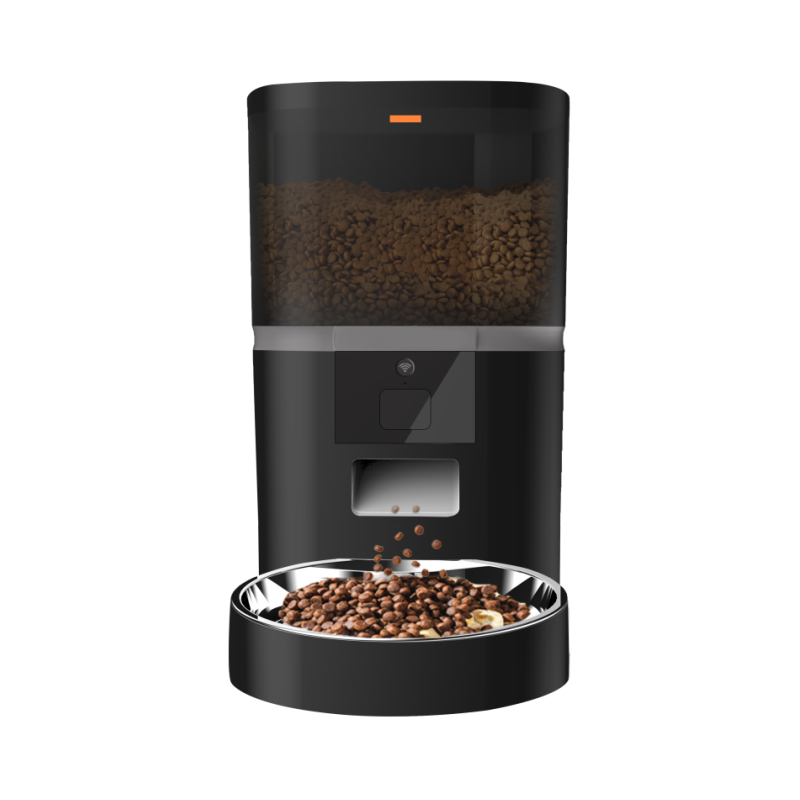
PF07 often stands out in this segment because of its balance between cost, performance, and reduced operational risk.
👉 PF07 stands out due to:
- Stable performance (fewer common problems with automatic cat feeders)
- Competitive pricing
- Easy branding
In many cases, challenges don’t come from manufacturing itself, but from overlooking how products perform after weeks or months of use. That’s where a detailed approach pays off.
Best Smart Cat Feeder for Pet Brands
For brands aiming to build identity rather than just listings, PF09 often becomes the natural direction.
It offers more room for storytelling, positioning, and premium pricing.
👉 PF09 enables:
- Premium pricing
- Enhanced customer retention
- Differentiated product positioning
This is where product strategy starts aligning closely with brand strategy. Instead of competing on listings alone, the focus shifts toward experience and long-term customer value.
For brands building in this direction, How to Build a Profitable Automatic Cat Feeder Brand Without Getting Killed by Returns might offer a useful framework for scaling beyond single-product thinking.
Features That Impact Sales, Reviews & Profit Margins
Product features are often discussed in technical terms, but in reality, they directly shape customer satisfaction, review scores, and ultimately profitability.
Automatic Cat Feeder with App vs Without App
With app → stronger customer retention
Without app → lower cost but limited appeal
The presence of an app is not just a feature upgrade—it changes how users interact with the product daily. That interaction frequency often determines long-term engagement.
For a deeper comparison of performance and profitability, Smart vs Basic Automatic Cat Feeder | Profit Margin, ROI & Best Choice Guide for B2B Sellers can provide more context.
Cat Feeder with Camera vs Non-Camera Models
Camera → higher perceived value
Non-camera → cost-efficient
Camera integration significantly increases perceived trust and emotional value, especially for pet owners who want visibility while away from home.
A more detailed breakdown can be found in Automatic Cat Feeder with Camera vs Without: Which Model Actually Sells Better?
Portion Control Accuracy in Automatic Feeders
Accurate feeding → fewer complaints
Inaccurate feeding → cat feeder quality issues
This is one of those features that doesn’t always look important on spec sheets—but directly impacts returns and customer satisfaction.
In many cases, feature reliability matters more than feature quantity.
Best-Selling Feature Combinations
| Market | Recommended Setup |
|---|---|
| Amazon | WiFi + Portion Control |
| Premium | Camera + App + Voice |
| Budget | Timer Only |
Each combination reflects a different buyer expectation and pricing strategy.
Profit Margin Reality (2026 Insight)
Margins are shaped by more than manufacturing cost alone. They are influenced by how the product is positioned, supported, and perceived in the market.
Key drivers:
- Hardware cost
- App ecosystem
- Branding positioning
- Return rate control
To understand how these factors translate into real-world numbers, How Much Money Can You Really Make Selling Automatic Cat Feeders? offers a deeper breakdown of model-level profitability.
Profit Benchmark Table (Highly Referenced by Buyers)
| Model Type | Cost Range | Retail Range | Margin Potential |
|---|---|---|---|
| Basic | $15–25 | $35–50 | Low |
| WiFi | $25–45 | $60–90 | Medium |
| Camera | $45–70 | $100–150 | High |
This is also why many established brands gradually move beyond basic models—not because they stop working, but because they limit how far the business can scale in terms of margin and differentiation.
Why Leading Buyers Choose Petrust® Over Other Manufacturers
Most automatic cat feeder manufacturer options can produce a working feeder. That part is no longer the challenge in today’s market.
The real difference shows up later—when products reach customers, reviews start coming in, and real usage patterns expose whether the product was truly built for scale or just for shipment.
Many buyers only notice this gap after their first order goes live. On paper, everything looked fine.
In practice, small issues—app lag, feeding inconsistencies, unstable connectivity—start to quietly affect ratings and returns.
That’s usually when the comparison between suppliers becomes much clearer.
Here’s how the difference typically plays out in real B2B projects:
| Capability | Typical Supplier | Petrust® |
|---|---|---|
| App Stability | Unstable / outsourced | In-house optimized |
| Anti-Jam System | Basic | Tested long-term |
| Return Rate | High | Controlled |
| OEM Flexibility | Limited | Full-stack |
| Support | Slow | Dedicated |
What this really reflects is not just production capability, but how much control a manufacturer has over the entire product experience—from hardware design to firmware behavior and post-sale stability.
It’s also why many buyers end up switching suppliers after a first disappointing launch. The cost of a “cheap but unstable” product is usually paid later in returns, refunds, and lost momentum.
At the same time, choosing a partner isn’t only about avoiding problems. It’s also about building something that can actually scale.
If the goal is simply to find the lowest unit price, options are everywhere. But when the focus shifts to long-term brand building, the expectations change completely.
That’s where a more structured manufacturing partnership matters.
OEM & Private Label Services from an Automatic Cat Feeder Manufacturer
Working directly with a manufacturer changes what’s possible—not just in pricing, but in how much control you have over product direction, branding, and long-term differentiation.
Private Label Automatic Cat Feeder Solutions from a Manufacturer
A real manufacturing partnership enables more than simple rebranding. It allows deeper product shaping based on your target market and positioning.
Working with a real manufacturer enables:
- Full branding control
- Firmware customization
- App ecosystem integration
This level of flexibility is what allows brands to move from “selling products” to building recognizable product lines with consistent user experience.
Custom Packaging & Branding Options
Brand perception often starts before the product is even used. Packaging, manuals, and visual identity all influence how customers perceive value.
Common customization options include:
- Logo design
- Retail packaging
- Instruction manuals
These elements may seem secondary at first, but in competitive marketplaces like Amazon, they often play a direct role in conversion rate and repeat purchases.
MOQ for Automatic Cat Feeder OEM
MOQ is rarely a fixed number—it shifts depending on how customized the product becomes and how complex the production setup is.
A more detailed breakdown of MOQ logic, pricing structure, and customization impact can be found in Automatic Cat Feeder OEM: Customization, MOQ, Cost & Trusted Supplier Guide, which helps clarify how different decisions affect total cost and scalability.
Explore Our Automatic Cat Feeder Product Range
Once the manufacturing side becomes clearer, the next step is usually product selection.
And in most cases, the right model depends less on features alone and more on your business direction.
Top Recommended
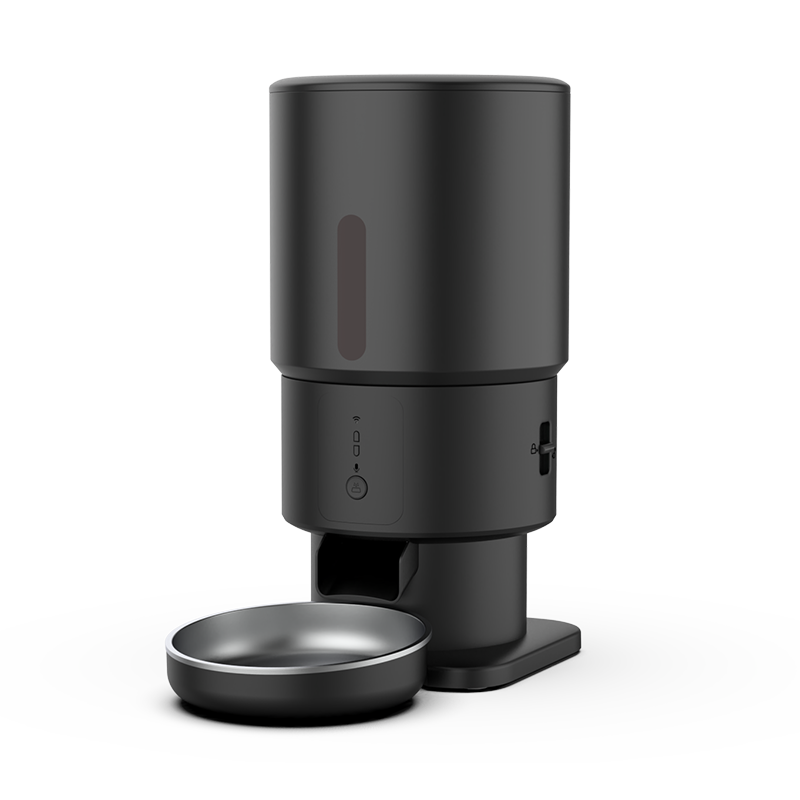
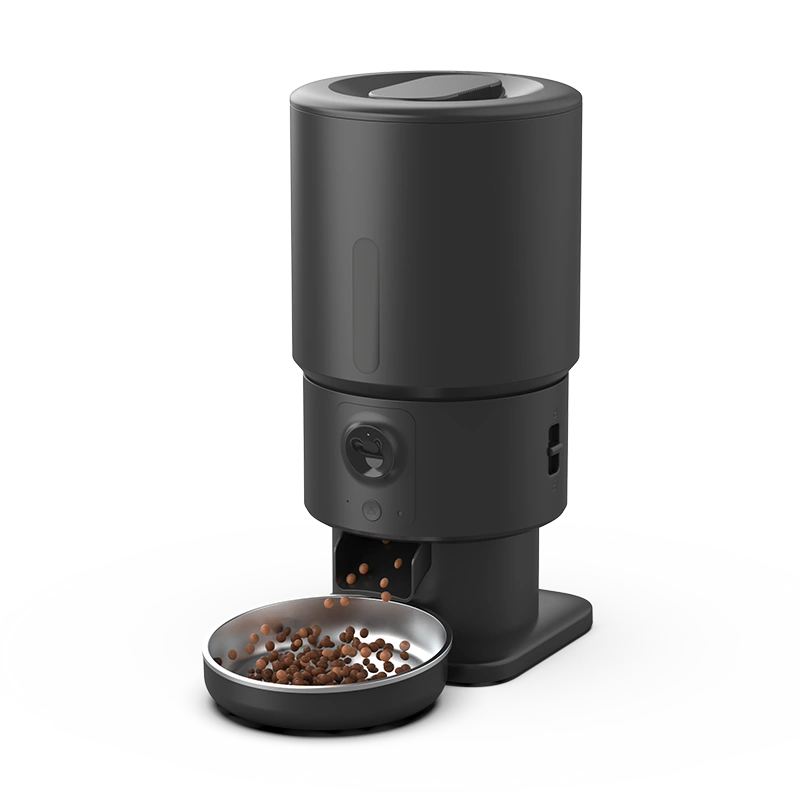
👉 Which one should YOU pick?
For most buyers, the decision comes down to intent:
New sellers → PF07 (stable, cost-efficient entry model)
Brand builders → PF09 (premium positioning, stronger differentiation)
Each serves a different stage of business maturity rather than competing as “better or worse.”
Core Models
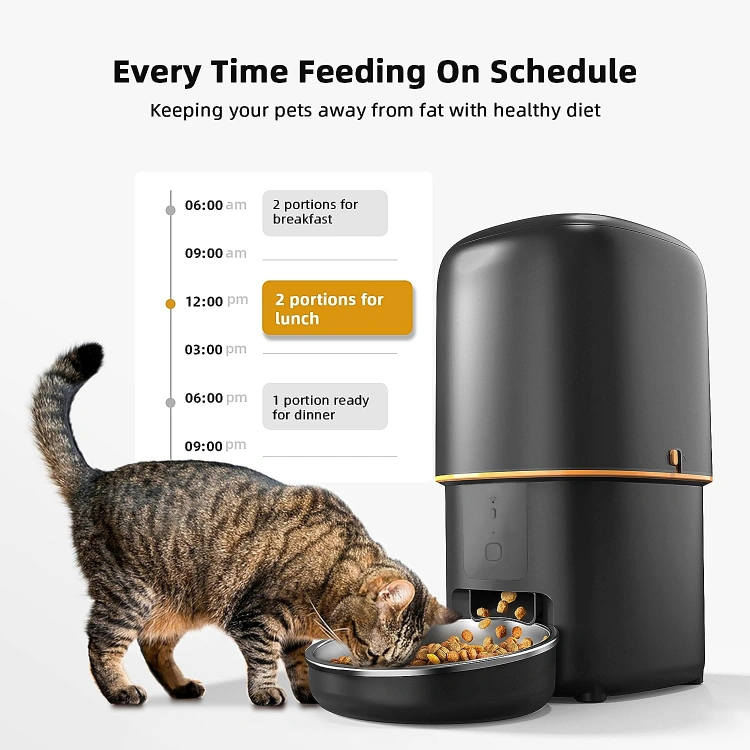
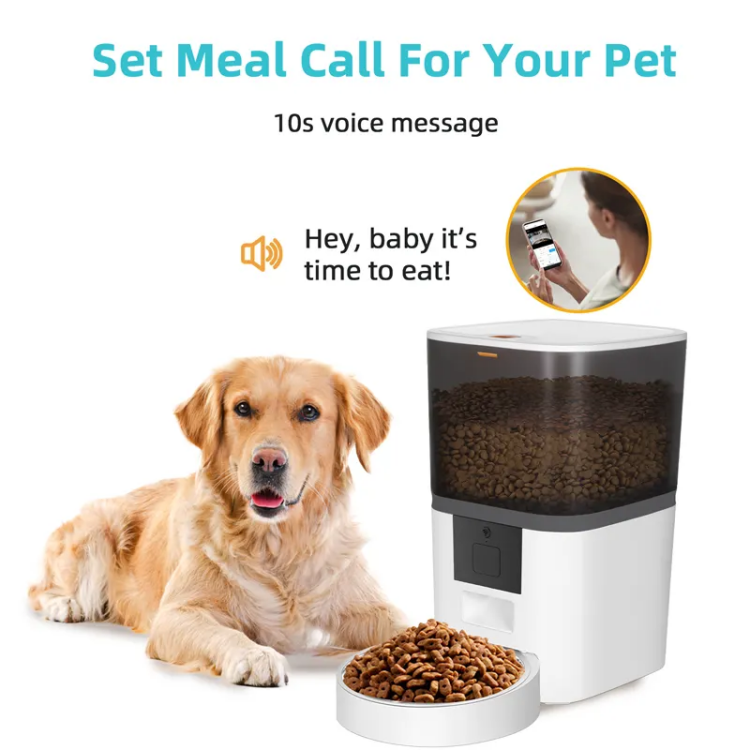
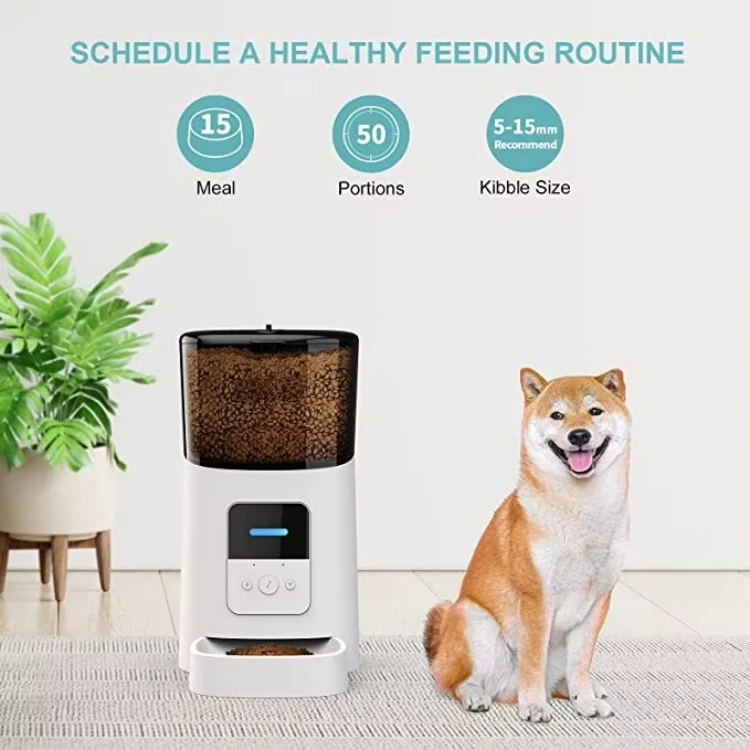
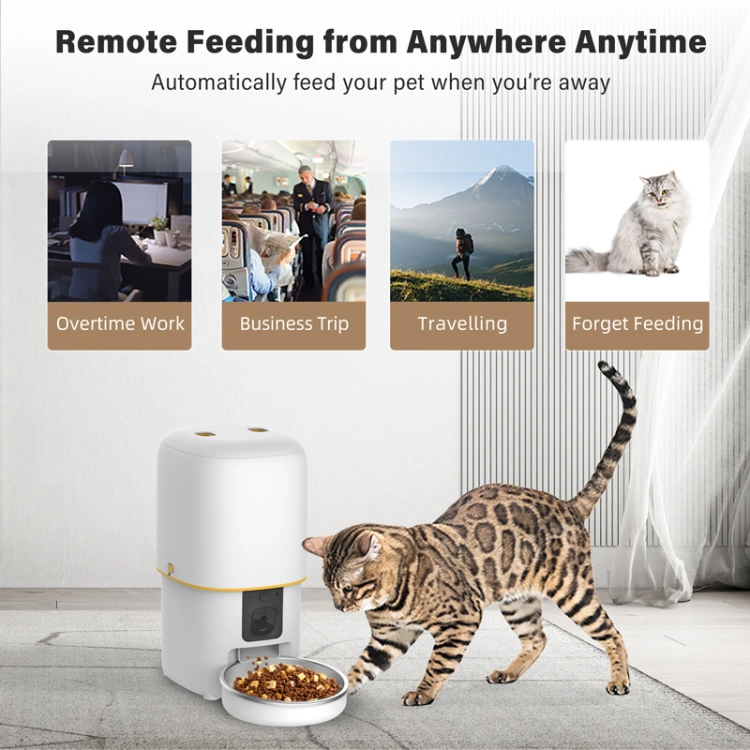
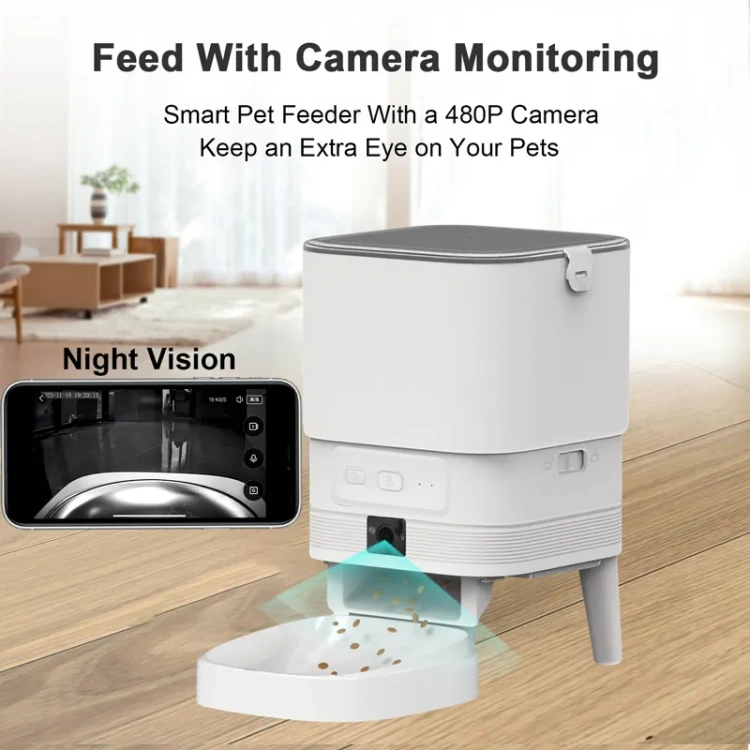
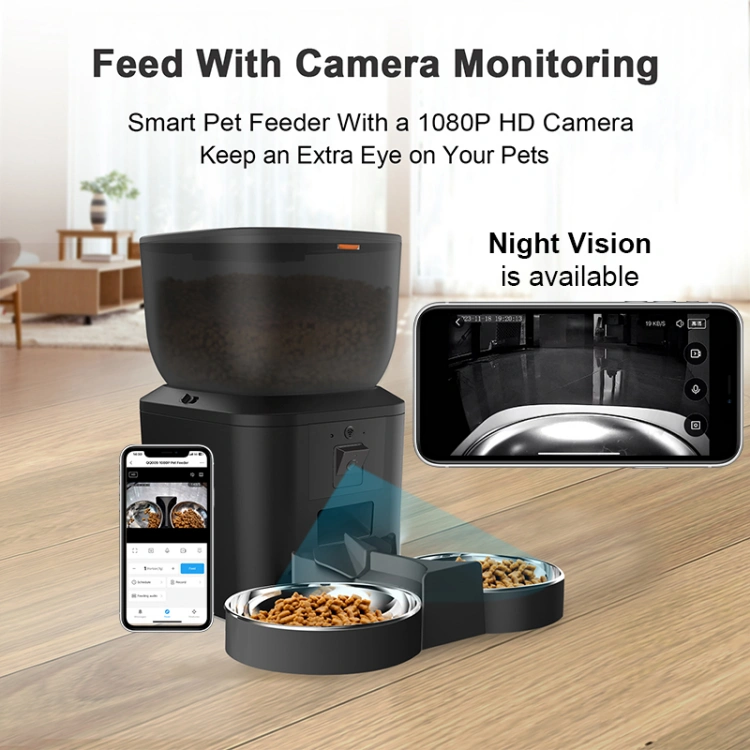
These elements may seem secondary at first, but in competitive marketplaces like Amazon, they often play a direct role in conversion rate and repeat purchases.
Full Catalog
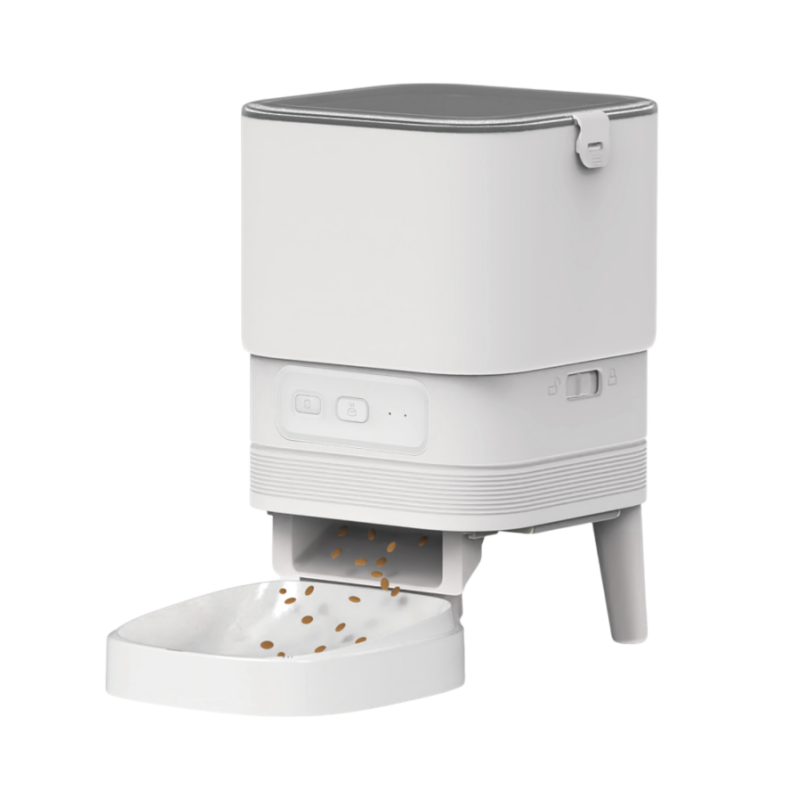
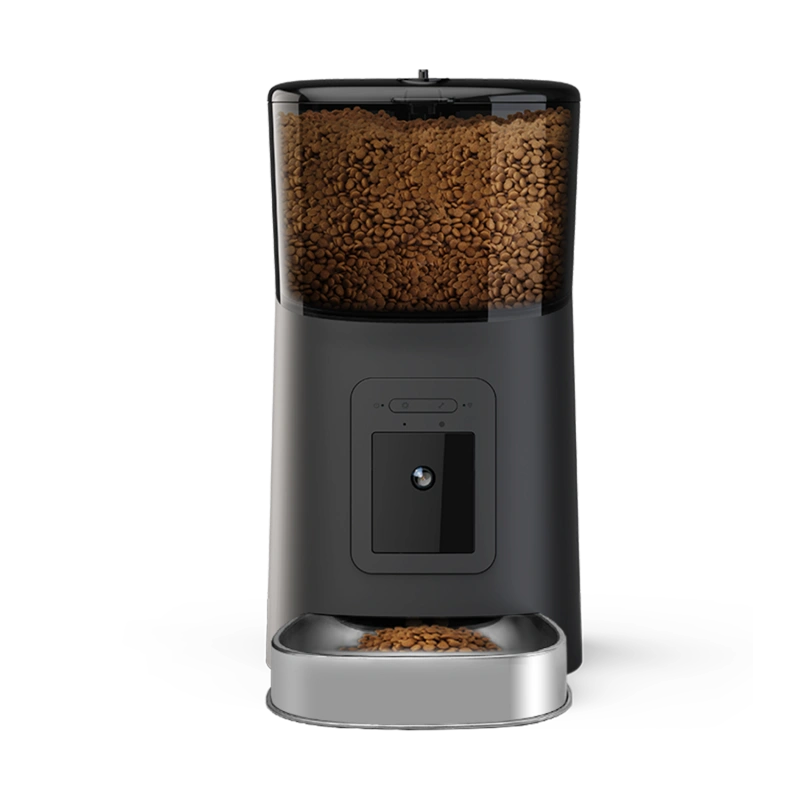
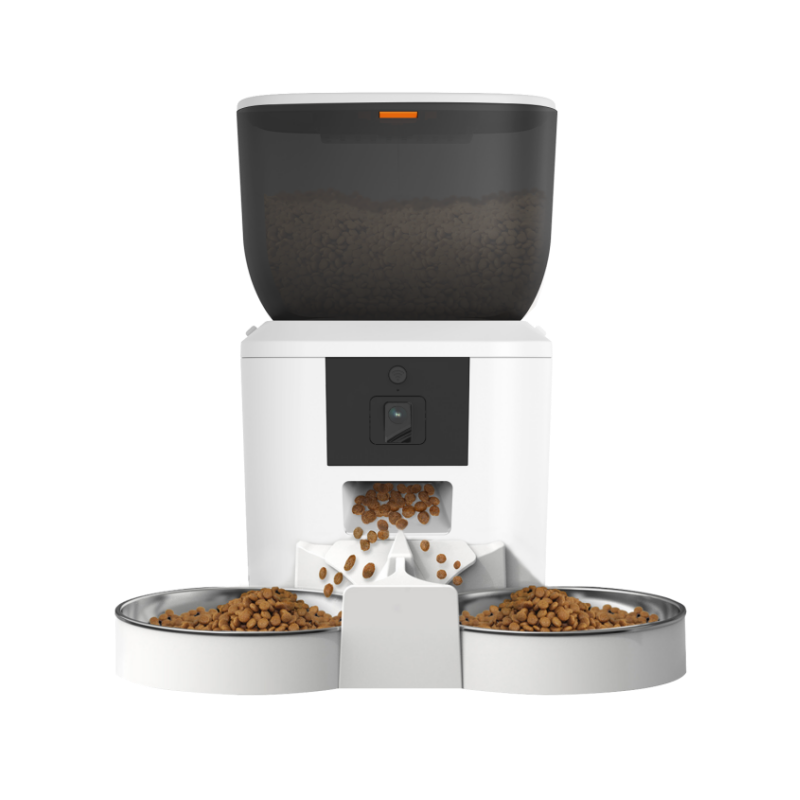
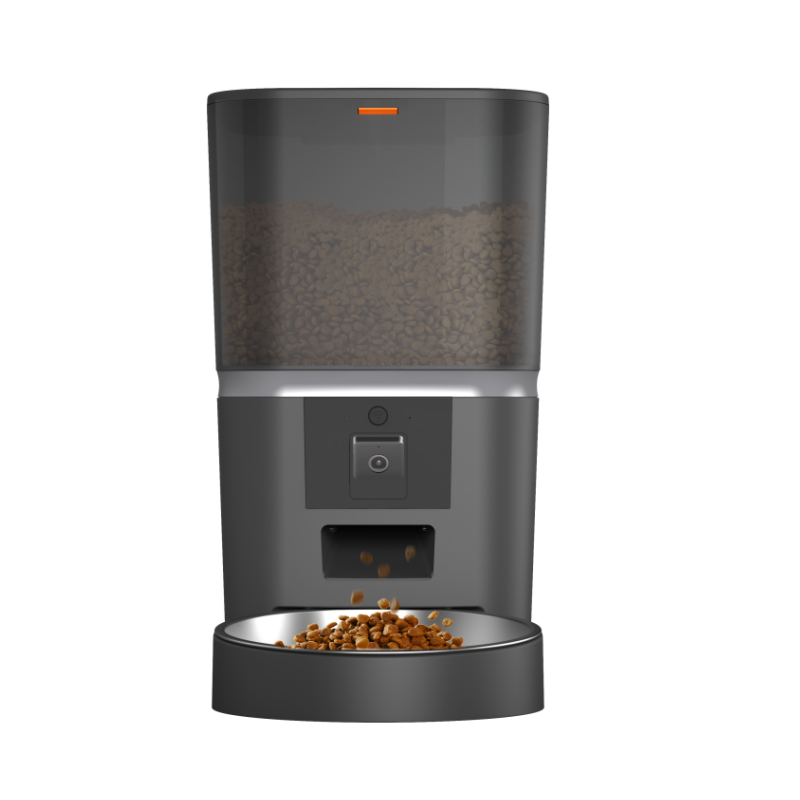
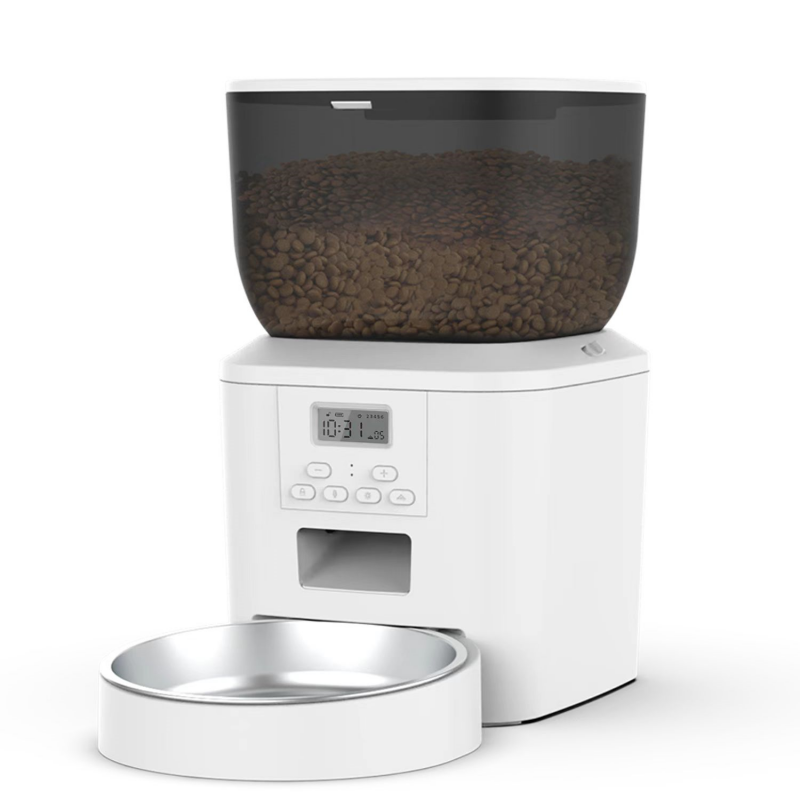
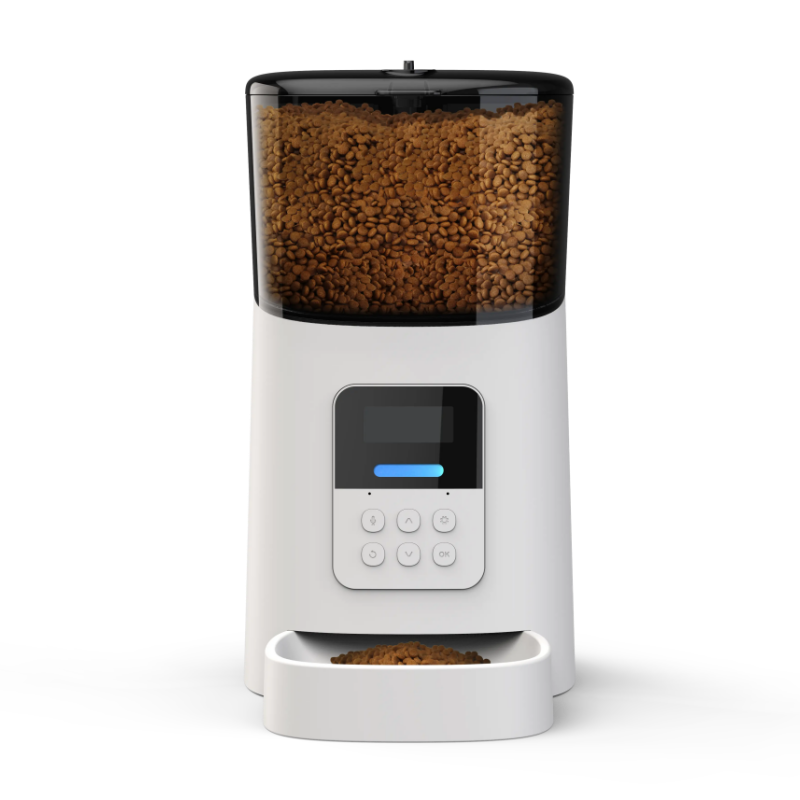
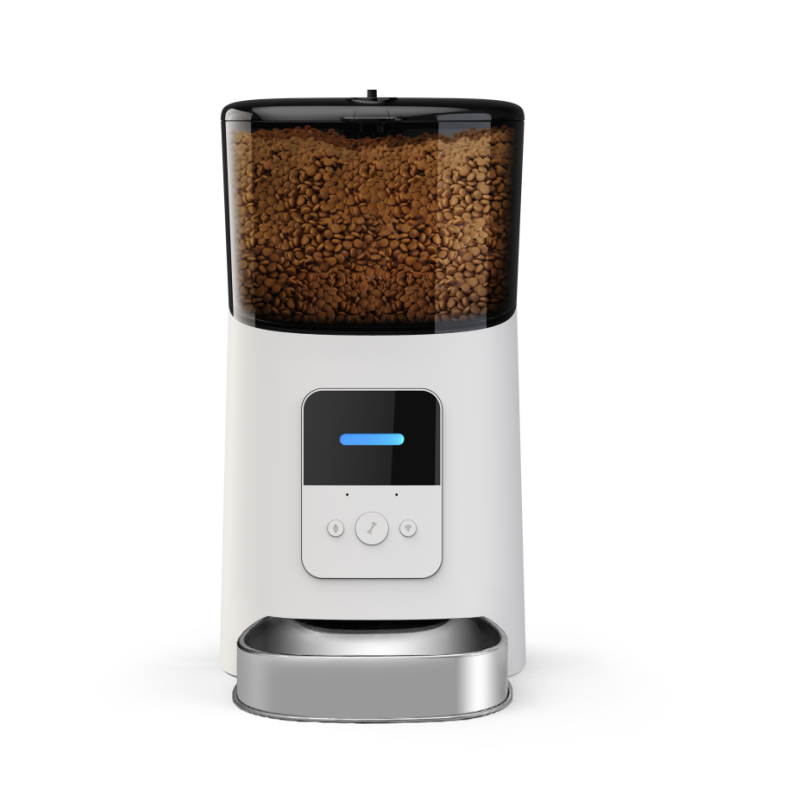
The full range includes all 20 + models across entry-level, mid-range, and advanced segments.
This covers everything from entry-level to advanced smart pet care device solutions, depending on how your brand is positioned in the market.
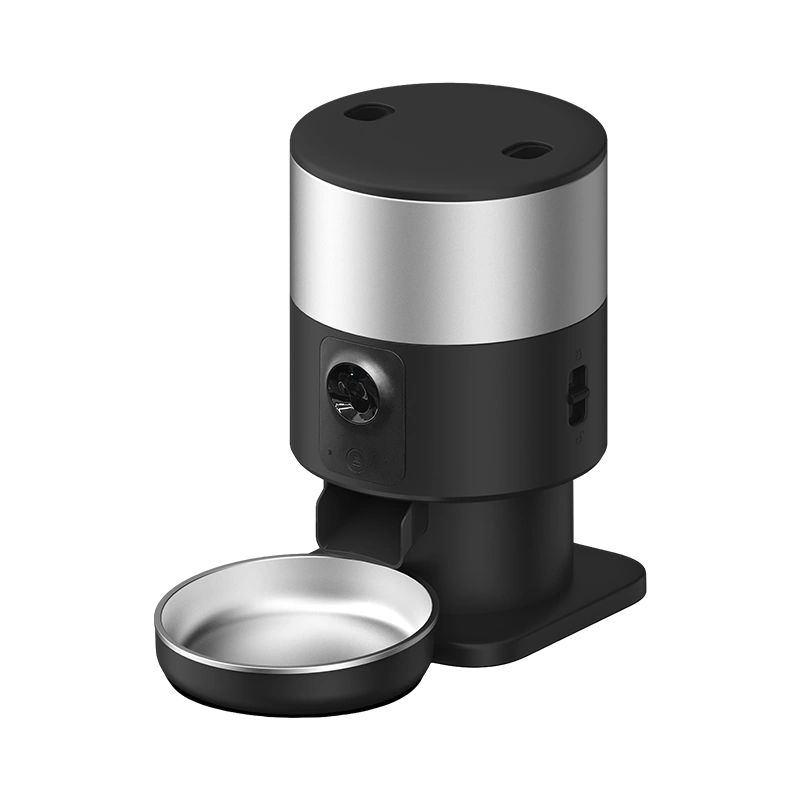
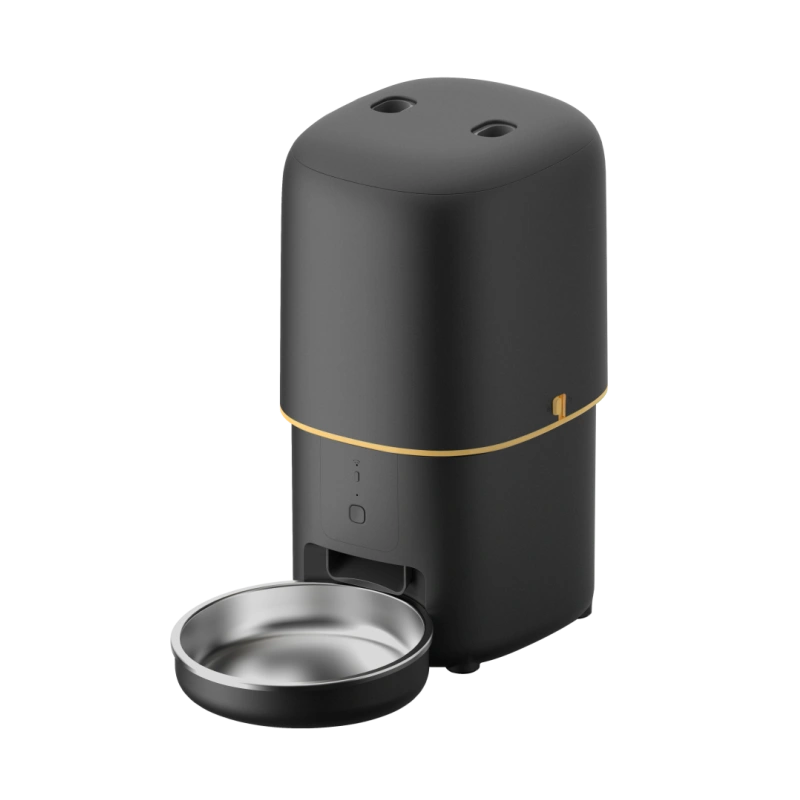
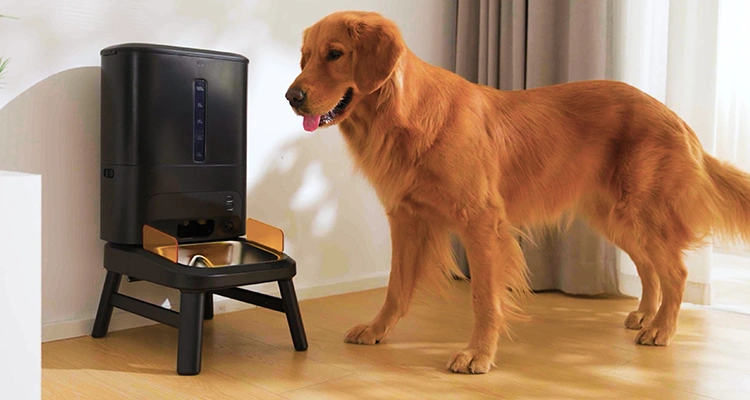
Some brands start with cat feeders and gradually expand into broader product lines once they stabilize sales channels.
We’ve also developed:
This extension allows brands to enter the wider pet feeding solution market without rebuilding their supply chain from scratch.
Real Buyer Cases: How Brands Succeed with the Right Feeder
Patterns become much clearer when looking at how real buyers move from idea to market.
Behind every stable, growing product line, there’s usually a series of practical decisions made early—especially when selecting the right automatic cat feeder manufacturer.
Some brands prioritize speed. Others focus on differentiation.
The ones that scale successfully tend to align their product choice with their business model from the beginning, rather than adjusting after problems appear.
Let’s look at two typical paths that consistently work in today’s market.
Amazon Seller Case Study (Fast Scaling with PF07)
For Amazon-focused sellers, speed and stability often matter more than complexity.
One seller chose a proven, cost-efficient model and focused on execution rather than over-customization.
A reliable partner should offer:
- Launched quickly
- Achieved stable sales
- Minimized returns
This approach works because it reduces variables.
Instead of experimenting with untested features, the seller relied on a mature product backed by a reliable automatic cat feeder manufacturer, allowing them to focus on listing optimization, ads, and review growth.
Over time, consistency becomes the advantage—not just speed.
Pet Brand Case Study (Premium Strategy with PF09)
On the other side, a growing pet brand took a different route. Instead of competing on price, they leaned into positioning and user experience.
Their strategy focused on:
- Positioned as premium
- Increased margins
- Built brand loyalty
By working closely with an OEM automatic cat feeder supplier, they were able to refine product features, improve design perception, and deliver a more cohesive brand experience.
This type of approach takes more time upfront, but it often leads to stronger long-term returns—especially in markets where differentiation matters more than price competition.
👉 What would happen if they chose the wrong supplier?
Delays, returns, poor reviews—and lost market opportunity.
That risk sits quietly in the background of every sourcing decision. The difference is that some buyers address it early, while others only notice it once it starts affecting performance.
Common Mistakes When Choosing an Automatic Cat Feeder Manufacturer
Even experienced buyers occasionally run into avoidable issues—not because they lack experience, but because certain risks are easy to underestimate at the sourcing stage.
Looking at common patterns across multiple projects, a few mistakes tend to appear repeatedly. Recognizing them early can save significant cost and frustration later.
Ignoring App Stability and User Experience
In smart pet products, hardware is only half the experience. The other half lives in the app.
Weak app connectivity doesn’t just create inconvenience—it directly leads to negative reviews, refund requests, and poor user retention.
Many buyers focus heavily on physical design and overlook software performance, only to realize later that unstable connections or delayed feeding commands create real customer dissatisfaction.
Reliable app performance isn’t a “bonus feature”—it’s a core requirement for any competitive product in this category.
Choosing Based on Price Alone
Lower pricing can look attractive during initial comparisons, especially when margins are tight. But cost savings at the factory level often show up later in less visible ways.
Poor material choices, inconsistent assembly, or weak internal components frequently lead to cat feeder quality issues that affect durability and user experience.
Data from the U.S. Consumer Product Safety Commission highlights a broader pattern: poorly manufactured electronic household devices are a common source of product complaints, recalls, and safety incidents.
In other words, the lowest quote rarely reflects the true cost of the product over its lifecycle.
Not Testing Samples Before Bulk Orders
Skipping sample validation is one of the most expensive shortcuts in OEM sourcing.
Without proper testing, small issues can go unnoticed until after mass production—when fixing them becomes significantly more costly.
Unexpected failures in the automatic feeding system, such as food jams or inconsistent portion control, often only appear after repeated use.
These are exactly the kinds of issues that lead to returns and negative feedback once the product reaches customers.
Taking the time to validate samples under real usage conditions doesn’t slow down your launch—it protects it.
FAQ About Automatic Cat Feeder Manufacturer & Models
For Amazon-focused sellers, the priority is usually a balance between stable performance, manageable cost, and predictable customer experience.
In most real-world cases, PF07 consistently performs well because it offers that balance without overcomplicating the product strategy.
It tends to work because it keeps operations simple while still meeting customer expectations—especially for sellers trying to build traction quickly without heavy customization overhead.
Choosing a reliable pet feeder manufacturer often comes down to looking beyond surface-level pricing or marketing claims. The real indicators are usually more practical and less visible at first glance.
A dependable partner should demonstrate:
- Proven industry experience
- Strong testing capability across long-term usage
- Flexible OEM support for customization needs
These factors often determine whether your product performs consistently after launch or starts generating avoidable issues once it reaches end users.
In many cases, experienced buyers also prioritize working with a pet feeder factory direct partner to reduce communication gaps and improve control over production quality.
MOQ in automatic cat feeder OEM projects is not fixed—it shifts based on customization depth and product complexity.
A simple branding or packaging adjustment usually allows lower minimum quantities, while more advanced structural or feature-level changes typically require higher production volumes to justify tooling and setup costs.
Understanding this early helps avoid mismatched expectations during negotiation and production planning.
Ready to Launch Your Automatic Cat Feeder Business?
At this point, most buyers already have a clearer sense of direction.
The next step is usually about reducing uncertainty and validating decisions before committing to bulk production.
- Getting your first sample within 7 days
- Testing before competitors enter the market
- Accessing full OEM customization support
Rather than rushing into production, taking this validation step often helps identify potential risks early—especially around app stability, feeding accuracy, and long-term durability.
Conclusion
Choosing the right automatic cat feeder manufacturer goes far beyond sourcing—it’s about building a structured product strategy that supports long-term business growth.
At the core, most successful buyers eventually align with one of two proven directions:
- Lower cost, higher turnover
- Reduced pet feeder return rate issues
- Ideal for fast market entry
👉 For brands prioritizing speed and profitability, this often answers the question of which cat feeder is best for business.
PF09 — Best for Premium Branding
- Higher perceived value
- Strong user engagement
- Enhanced brand identity
👉 A strong fit for best automatic cat feeder for private label strategies focused on differentiation and long-term brand building.
In practice, most successful sellers don’t struggle because of lack of opportunity—they struggle because of indecision. Once the direction is clear between these two paths, execution becomes significantly more efficient.
If the choice still feels unclear, there’s no need to rush. Real progress comes from testing, comparing, and validating—not guessing.
And ultimately, the strongest results come from working with a partner who supports your growth—not just your production.