
Are smart pet feeder systems really as simple to source and scale as they look on the surface?
For many distributors, brand owners, and importers, this is often the question that comes up right after entering the smart pet space—especially when demand looks strong, but product options start to feel overwhelming.
On paper, it seems straightforward: choose a feeder, find a supplier, and launch. In reality, the decision carries far more weight once quality, connectivity, and long-term reliability come into play.
The global shift toward smart pet care is clearly accelerating. According to data from the American Pet Products Association, both pet ownership and consumer spending continue to rise worldwide, pushing stronger demand for automated feeding solutions and connected pet devices.
But as the category grows, so does the complexity behind it—especially for buyers trying to balance cost, performance, and scalability.
This is where many sourcing decisions start to feel less predictable. A well-known brand or attractive product listing doesn’t always guarantee long-term success.
What often matters more is what sits behind the product itself—the supply chain reliability, the stability of the app ecosystem, and the manufacturer’s ability to scale without compromising consistency.
Over time, we’ve also seen a recurring pattern in this category: challenges rarely appear at the beginning.
Instead, they surface later—often in the form of hidden risks when importing pet feeders, unstable software performance, or inconsistent manufacturing quality that only becomes visible after products reach the market.
This guide is built to help you:
- Understand the real differences between solutions
- Avoid costly sourcing mistakes
- Evaluate how to find reliable pet feeder manufacturer
- Make smarter decisions that support your brand’s growth
If you’re looking for the best smart pet feeder for distributors, the goal here is to help you think beyond product specs—and more like a buyer responsible for long-term performance, margins, and brand reputation.
Smart Pet Feeder Market Data Snapshot (2026)
Before diving into product comparisons, it helps to pause for a moment and look at what is actually happening behind the scenes in the smart pet feeder systems space.
For many buyers, the challenge is not a lack of options—it’s figuring out which signals in the market are meaningful, and which ones are just noise.
The global pet tech market is projected to exceed $20B+ by 2026, and smart feeding systems continue to sit at the center of that growth.
According to IoT Analytics, global IoT device connections continue to grow at double-digit rates, reflecting a steady expansion of connected ecosystems across both consumer and industrial applications.
In the same direction, Statista projects that the number of IoT devices will reach tens of billions in the coming years, driven by accelerating adoption of connected environments in everyday life.
In developed markets such as the US, EU, and Japan, smart pet device penetration is estimated at 25%–40% of pet-owning households.
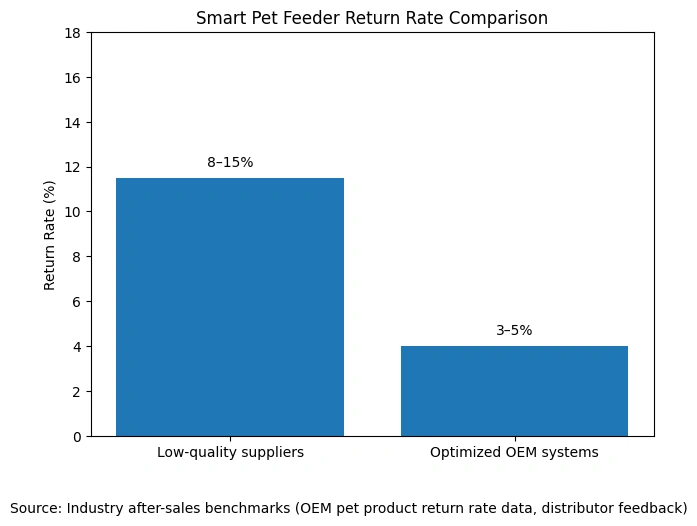
Based on industry experience, smart pet feeder systems typically show:
- 8%–15% return rate (low-quality suppliers)
- 3%–5% return rate (optimized OEM systems)
Why Most Buyers Fail When Choosing Smart Pet Feeding Solutions
As interest in smart pet feeder systems continues to grow, many buyers enter the market with strong expectations but limited visibility into what actually determines product success.
On the surface, products may look similar, but performance gaps often appear only after launch—when it becomes significantly more expensive to fix problems.
Common Risks in Smart Pet Feeder Procurement
One of the most frequent missteps is placing too much emphasis on exterior design or feature lists while overlooking the structural and operational foundation behind the product.
In practice, most failures are linked to:
- Lack of quality control process
- Weak after-sales support
- Poor product lifecycle planning
- Inconsistent manufacturing standards
Without a structured pet feeder supplier comparison checklist, many importers unintentionally enter partnerships that cannot sustain long-term product consistency.
Over time, this often leads to issues such as pet feeder return rate issues, which directly impact customer trust, brand reputation, and repeat purchase behavior.
A more balanced evaluation approach—one that considers engineering stability and supplier capability—can significantly reduce these risks.
App Failures, Hardware Issues, and Hidden After-Sales Costs
Modern smart feeders are no longer standalone hardware products.
A smart pet feeder system is better understood as an integrated ecosystem combining hardware design, embedded firmware, mobile applications, and backend supply chain reliability.
Because of this complexity, failures rarely come from a single point—they usually emerge across multiple layers:
- app failure in pet feeder systems
- Weak app-controlled feeding system stability
- Inaccurate portion control accuracy
- Mechanical issues like anti-jam feeding mechanism failure
At the same time, cost-cutting decisions often remove essential safeguards such as dual power supply pet feeder design, which becomes critical during power interruptions.
End users tend to view these failures not as minor inconveniences, but as unacceptable product flaws.
These are among the most frequent common defects in smart pet feeders, and they often lead to avoidable returns, negative reviews, and long-term brand erosion.
Regulatory data from the European Commission’s Safety Gate system consistently highlights how overlooked product defects in consumer electronics can escalate into recalls or compliance issues, reinforcing how essential robust quality systems are from the very beginning.
Smart Pet Feeder Systems Market Overview & Trends (2026)
As the category evolves, smart pet feeder systems are no longer positioned as simple feeding tools.
They are becoming part of a broader shift toward intelligent home ecosystems where pet care is seamlessly integrated into daily digital life.
How IoT Pet Feeder Systems Are Reshaping Pet Care
The rapid adoption of IoT pet feeder systems is changing expectations around how pets are fed, monitored, and cared for—especially in urban households where time efficiency matters.
Research from the International Telecommunication Union highlights how the global expansion of connected devices is accelerating the adoption of smart ecosystems, including automated pet care solutions.
Today, users increasingly expect systems that provide:
- App control and scheduling
- Real-time monitoring
- Integration with smart home ecosystems
For modern lifestyles—particularly for a smart feeder for busy professionals—automation has shifted from being a convenience to becoming a baseline expectation.
Connected Pet Devices and the Rise of Smart Feeding Ecosystems
The expansion of connected pet devices is accelerating innovation across the entire pet care industry.
Rather than operating as isolated products, devices are now being designed to communicate, synchronize, and share data.
Current demand is increasingly focused on:
- Feeding solution for multi-pet households
- Smart synchronization across devices
- Data-driven feeding patterns
These shifts are part of broader pet tech trends 2026, where feeding systems evolve into intelligent nodes within a larger care network.
Top Smart Pet Feeder Systems in 2026: Brands & Solutions Compared
Top smart pet feeder brands offer polished products with strong user experience, especially in the wifi pet feeder with app category.
These solutions often stand out for their sleek design, stable software ecosystems, and strong consumer trust.
For a broader market perspective, you might find insights from Top Smart Pet Brands in the World helpful when comparing how feeder brands position themselves at scale and compete across different regions.
Leading Smart Pet Feeder Brands (Strengths & Weaknesses)
Top smart pet feeder brands offer polished products with strong user experience, especially in the wifi pet feeder with app category.
These solutions often stand out for their sleek design, stable software ecosystems, and strong consumer trust.
However, behind the strong branding, buyers often encounter practical limitations that are easy to overlook at first:
- Higher costs that reduce margin flexibility
- Limited customization options for branding or hardware
- Less flexibility for scaling across different market segments
This is exactly where the discussion around OEM vs branded pet feeder differences becomes especially important.
What looks like a finished solution on the surface may not always align with long-term expansion needs or private label strategies.
There’s a subtle but important shift happening here—many buyers begin with branded products, then gradually realize they need more control over product identity and supply chain structure.
Emerging Smart Pet Feeding Solutions Worth Watching
Alongside established brands, a new wave of innovators is reshaping expectations around feeding technology.
These companies are experimenting with smarter interfaces, lighter hardware, and more flexible use cases that better match modern pet lifestyles.
Many of these new-generation products focus on:
- Improved portion control accuracy that helps reduce overfeeding and waste
- Better app UX designed for simpler, more intuitive daily use
- Flexible designs for pet feeder for travel use, supporting mobile&multi-location lifestyles
What makes these emerging players interesting is their agility. They can adapt quickly to user feedback and market trends.
At the same time, some of them are still building stability in manufacturing and supply chain execution, which can be a concern for scaling businesses.
OEM Smart Pet Feeder Systems: The Hidden Opportunity for Brands
For many growing businesses, OEM smart pet feeder systems are becoming the preferred path—not just as a cost decision, but as a strategic move toward brand ownership and long-term differentiation.
This shift is driven by a few consistent advantages:
- Lower cost structure that improves pricing flexibility in competitive markets
- Full custom pet feeder design capability to match brand identity and user expectations
- Better control over scalability for brands planning multi-market expansion
This becomes especially relevant in pet product sourcing from China, where manufacturing flexibility and customization options are significantly more advanced compared to off-the-shelf retail models.
Brands are moving away from fixed product lines and instead building adaptable product ecosystems that can evolve with market demand.
OEM Pet Feeder Manufacturers & Private Label Opportunities
As the market matures, more buyers are shifting their attention from individual products to long-term manufacturing partnerships.
This is where OEM and private label strategies start to play a central role in shaping business growth.
Private Label Pet Feeder vs Branded Products
Choosing between branded products and private label pet feeder solutions often comes down to how you plan to build your identity in the market over time.
Branded products typically offer:
- Faster time to market with ready-made solutions
- Higher margins for suppliers due to established demand and positioning
OEM approaches, on the other hand, provide a very different kind of value:
- Full customization across design, features, and packaging
- Stronger brand identity that helps differentiate in crowded markets
- Better cost control, especially when scaling production volumes
This is why many businesses gradually shift toward OEM pet feeder manufacturers, especially when they begin to focus on long-term positioning rather than short-term product launches.
Bulk Pet Feeder Solutions for Distributors
For distributors, bulk pet feeder solutions open up meaningful opportunities to build stable, repeatable supply channels while maintaining competitive pricing structures.
With wholesale smart pet feeders, businesses can benefit from:
- Competitive pricing that improves downstream margin control
- Market differentiation through exclusive configurations or branding
- Greater control over product positioning in different retail environments
These advantages are a major reason behind growing pet feeder distributor opportunities across global markets, especially as demand for smart feeding solutions continues to expand.
At the same time, many buyers who start with feeders often begin exploring adjacent categories.
How to Choose the Right Smart Pet Feeder for Your Business
Choosing between different smart pet feeder systems is rarely just a technical decision for B2B buyers.
It often comes down to how well a product can support your brand promise, reduce operational risk, and scale smoothly across different markets.
When you look at it from that perspective, small details in performance and stability suddenly become very important.
Key Features in App-Controlled Pet Feeding Systems
Modern buyers must evaluate:
- App reliability
- Feeding precision
- User experience
In real-world usage, even minor app delays or syncing issues can quickly turn into customer complaints.
That’s why app-controlled feeding system stability is no longer optional—it’s a baseline expectation that directly affects brand trust and product reviews.
Beyond just technical specs, it’s also about how confidently your customers can rely on the system every single day.
A smooth app experience quietly becomes part of your brand reputation.
As the ecosystem of smart pet feeder systems continues to evolve, consistency matters more than novelty.
Smart Feeder vs Automatic Feeder: What Really Matters
The difference is not just “smart vs automatic.”
It’s about:
- Data connectivity
- System reliability
- Upgrade potential
Traditional feeders may look more cost-effective at first glance, but they often lack long-term scalability and connectivity features that modern pet owners now expect.
That gap becomes more visible as users start comparing experiences across different brands.
Over time, the cheapest pet feeder is often the most expensive option in the long run—not because of purchase price, but because of returns, replacements, and lost customer trust.
Technical Checklist for Evaluating Smart Pet Feeder Systems
Before choosing a supplier, it helps to slow down and run through a practical checklist rather than relying on marketing claims alone:
- Verified certification compliance (CE, FCC)
- Stable firmware & app
- Reliable supply chain reliability
- Proven after-sales support
This forms the foundation of a solid how to find reliable pet feeder manufacturer strategy.
In fact, international frameworks like ISO 9001 consistently highlight how structured quality systems directly influence product consistency and long-term supply stability.
Example Smart Pet Feeder Systems for Brands & Distributors (Reference Models)
Once the core features and supplier standards are clear, many buyers naturally move to a more practical question—what does a truly scalable system look like in real business use?
What a Scalable Smart Pet Feeder System Looks Like
In reality, many products in the market appear similar at first glance. But only a small portion of smart pet feeder systems are genuinely built for long-term commercial scaling.
A scalable system should include:
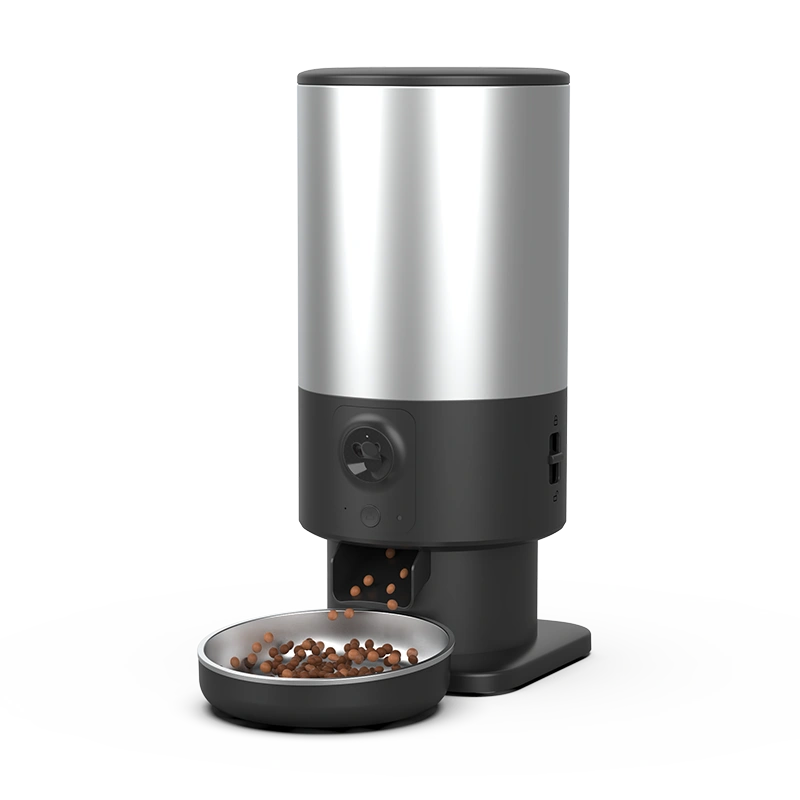
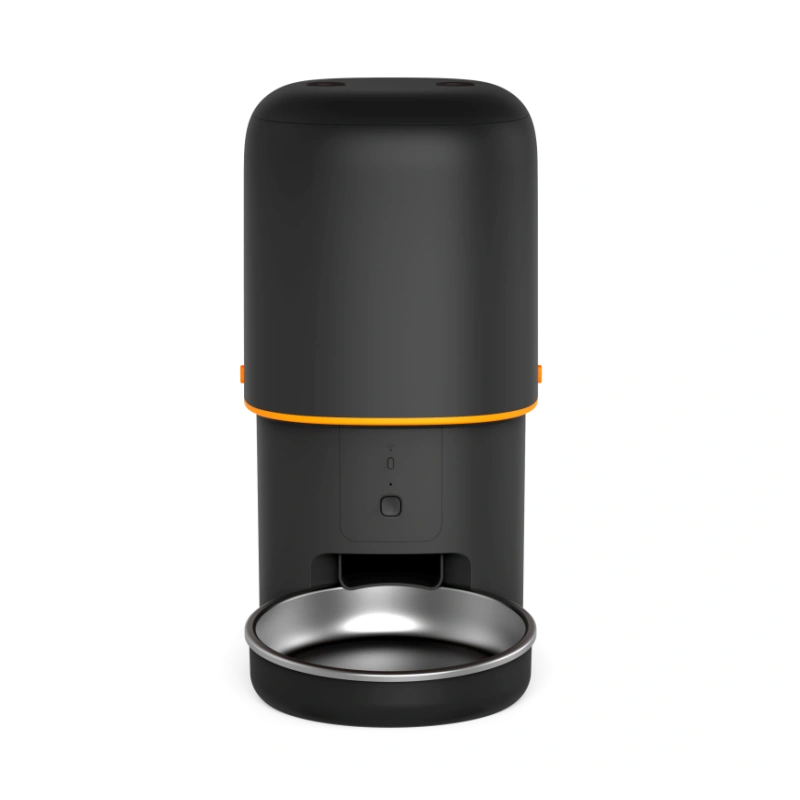
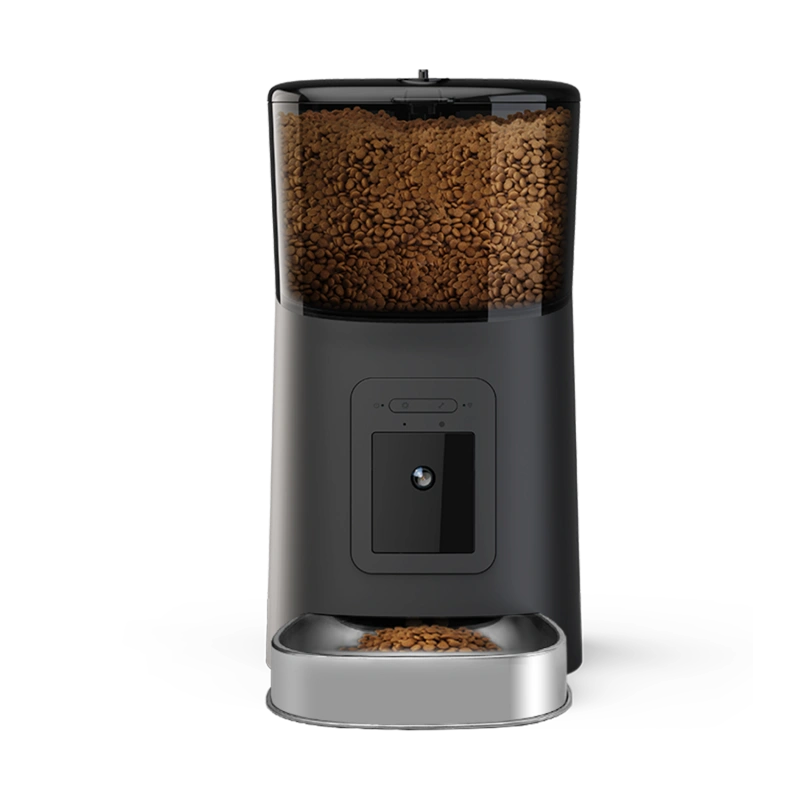
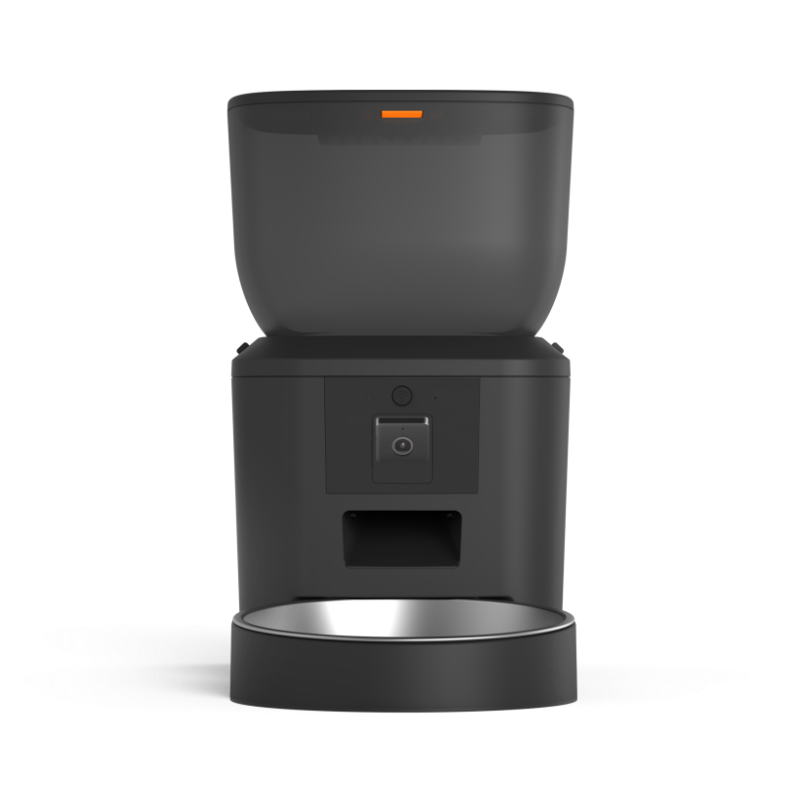
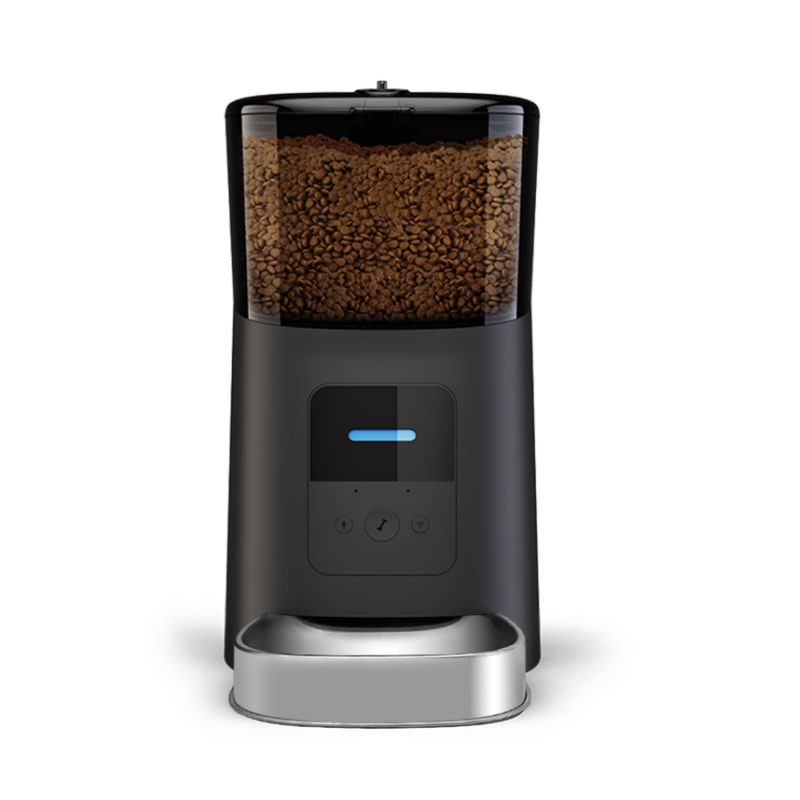
These elements are not just engineering details. They directly influence pet feeder return rate issues, customer satisfaction, and ultimately how your brand is perceived in competitive markets.
Reference Models from an OEM Perspective
From an OEM and private label perspective, “good product design” shifts away from appearance and moves toward long-term business usability.
It becomes more about:
- Supply chain reliability
- Flexibility in custom pet feeder design
- Integration with your brand’s positioning
- Long-term product lifecycle support
For instance, OEM-focused manufacturers like Petrust® have developed smart pet feeder systems designed specifically with scalability and international distribution in mind.
These systems typically emphasize:
- Stable app ecosystems for global markets
- Structured quality control process during mass production
- Compliance with key standards like certification compliance (CE, FCC)
- Flexible configurations for different SKUs and market segments
For buyers involved in pet product sourcing from China, these factors often become more decisive than surface-level design differences.
Smart Pet Feeder Systems Cost Breakdown (2026)
When buyers first step into sourcing smart pet feeder systems, pricing often looks surprisingly straightforward on the surface.
But once the full picture starts to unfold, the real structure behind the cost becomes much more layered—and far more strategic than a simple unit price.
For many brands and distributors, this is the stage where margin expectations and real-world manufacturing economics begin to meet.
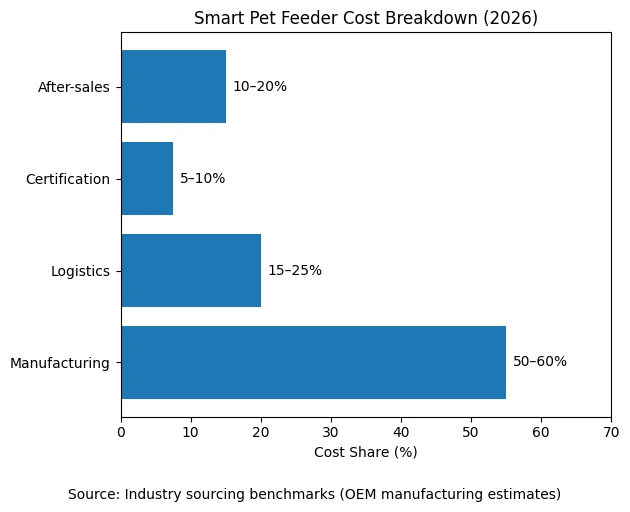
Manufacturing Cost of Smart Pet Feeders
Typical structure:
- Product cost: 50–60%
- R&D and tooling
- Packaging
The product cost itself usually takes up the largest share, but it is rarely the whole story.
Research, engineering refinement, and tooling investment quietly shape both performance stability and long-term reliability.
In well-built smart pet feeder systems, stronger engineering investment often translates into fewer post-sale issues, smoother app experience, and more consistent feeding accuracy.
Lower prices can look attractive initially, but they often reflect compromises that are not immediately visible at the purchasing stage—especially in durability and system stability.
Import Pet Feeder Cost: Shipping, Tax & Hidden Fees
Beyond production, buyers must consider:
- Freight costs
- Import duties
- Compliance testing
These elements often shift the final landed cost more than expected, particularly in cross-border electronics sourcing. This is where many first-time importers underestimate the real budget required for scaling.
A clear view of import pet feeder cost is essential to avoid unexpected losses during expansion or market entry.
Global trade data from the World Bank consistently highlights logistics, tariffs, and regulatory compliance as major cost drivers in international sourcing, especially for connected electronics and IoT-based products.
As sourcing becomes more global, these “invisible layers” of cost tend to matter just as much as manufacturing itself.
Why Cheap Pet Feeders Often Cost More Later
Low-cost products often lead to:
- High pet feeder return rate issues
- Poor durability
- Increased customer complaints
At first, a lower purchase price may seem like a competitive advantage.
However, once returns, replacements, and customer support begin to accumulate, the total cost of ownership tells a very different story.
In many real cases, the true expense is not what happens at checkout—it’s what happens after the product reaches the customer.
Case Study: Private Label Pet Feeder Success (Real Buyer Story)
Behind every product decision, there is usually a business story shaped by pressure, performance, and the need for differentiation.
This case reflects what many mid-sized distributors quietly experience when scaling smart pet products in competitive markets.
The Problem: High Return Rate & Low Product Differentiation
A mid-sized EU-based pet product distributor focused on Amazon FBA and offline retail chains was facing several growing challenges:
- 2 core SKUs (priced $45–$70 retail)
- High return rate (~12%)
- Poor differentiation
- Increasing negative reviews in Germany and France markets
At this stage, the issue was no longer just about sales performance—it was about product stability and long-term brand perception in competitive retail environments.
The Solution: Switching to OEM Smart Feeding Systems
The company eventually shifted toward an OEM pet feeder case strategy:
- Customized product design
- Improved quality control
- Better supplier alignment
Rather than continuing to compete on similar-looking products, the focus moved toward building a more stable and differentiated system through smart pet feeder systems designed for scalability and consistency.
This transition also helped align product development more closely with long-term retail expectations, rather than short-term SKU turnover.
The Result: Cost Reduction & Brand Growth
After implementation, the results were measurable:
- 32% cost reduction
- Lower returns
- Stronger brand positioning
What changed was not just the product—it was the entire approach to sourcing and system design.
This is a classic private label pet feeder success story, where operational structure and supplier strategy played a more important role than individual product features.
FAQs About Smart Pet Feeder Systems
At different stages, you need different types of support:
- Step 1: Understand the Market
- Step 2: Analyze Top Products
- Step 3: Validate Product Feasibility
- Step 4: Find Manufacturers
- Step 5: Import & Cost Control
- Step 6: Build Your Brand
Conclusion
At the end of the day, the strongest smart pet feeder systems are not defined only by features or specifications.
What truly matters is how well they perform over time—across production, logistics, customer use, and after-sales support.
For modern buyers, the real advantage lies in:
- Choosing the right supply chain
- Understanding product risks
- Leveraging OEM opportunities
When sourcing is approached with the right perspective, smart pet feeder systems become more than just a product category. They evolve into a scalable business opportunity that can grow alongside your brand vision.