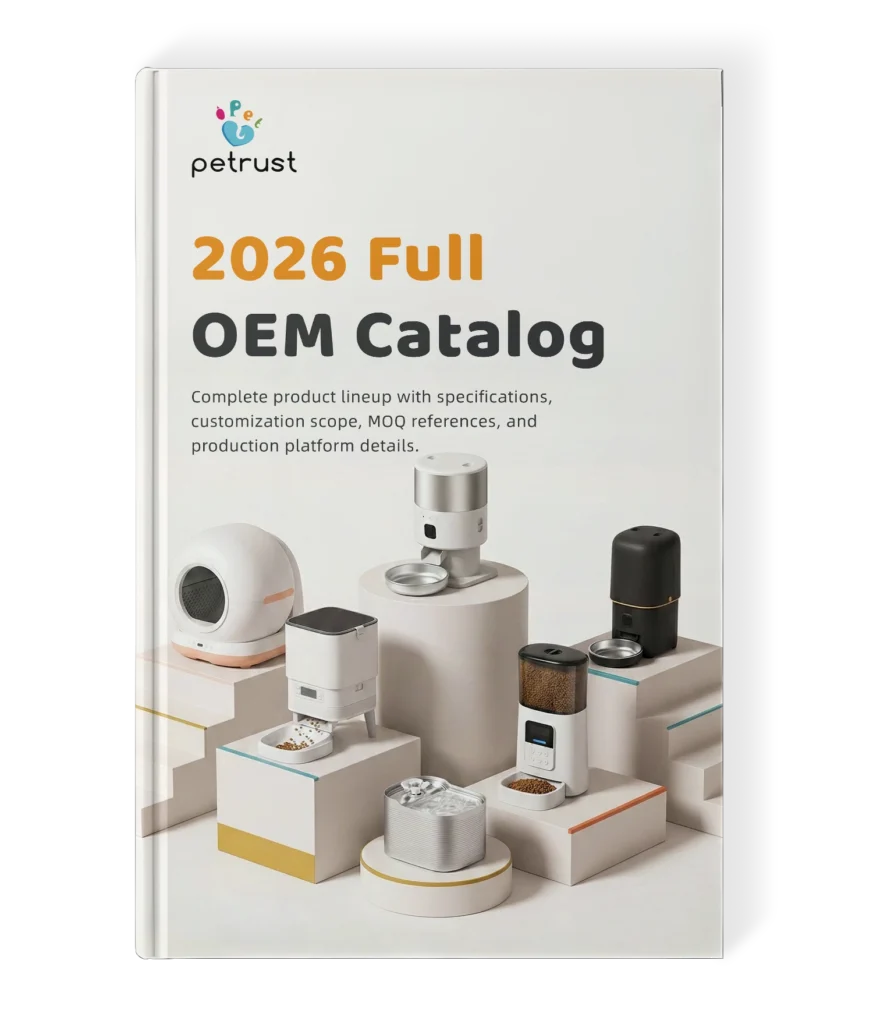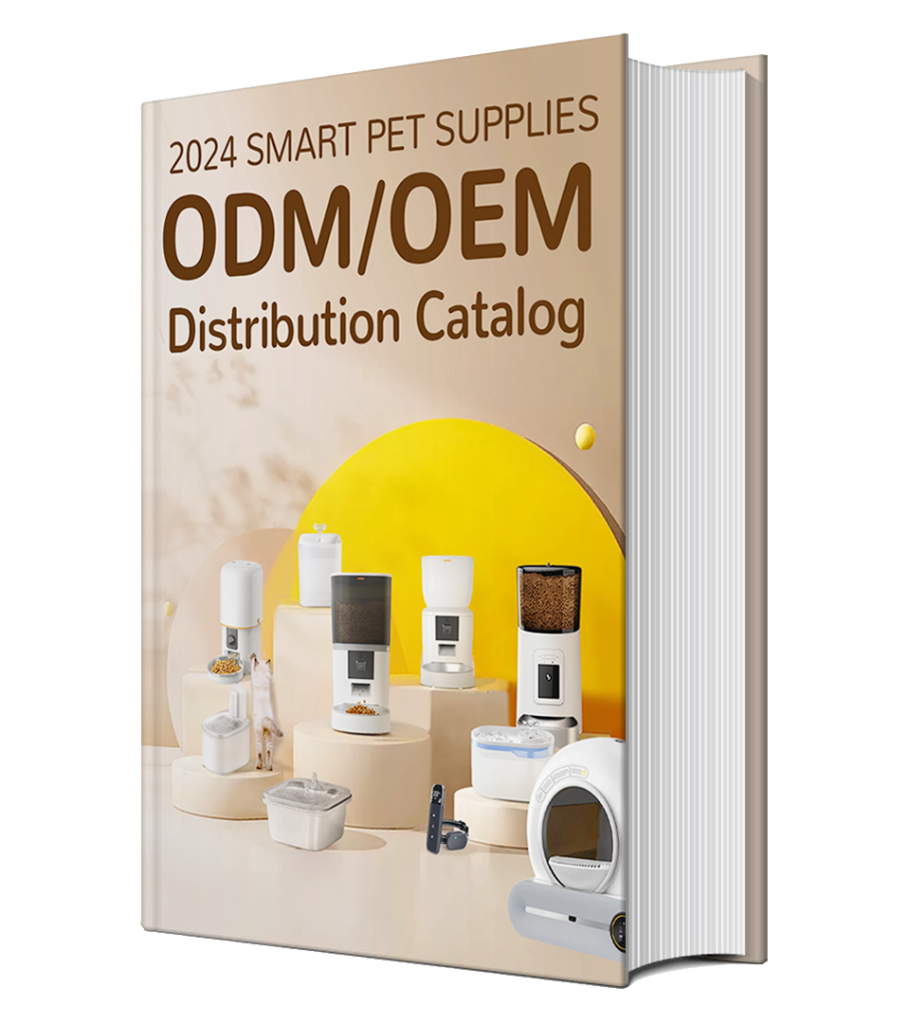
The smart pet product procurement process has become more than a standard sourcing workflow—it’s now a decisive factor that shapes your revenue, competitiveness, and long-term growth.
Many B2B buyers share the same daily pressure: rising customer expectations, shorter product cycles, and the need to pick the “right” supplier on the first try. When budgets are tight and timelines are even tighter, every sourcing decision feels personal—because it directly affects your brand’s reputation and your bottom line.
As the market shifts toward smarter, safer, and more automated pet appliances, brands and distributors are looking for a procurement approach that protects margins while lowering operational risks. That’s where a well-structured step-by-step pet product sourcing process becomes invaluable. When each stage—from product research to supplier negotiation—is handled with clarity, the outcome is not only more profitable but far more predictable.
This guide was created for B2B buyers who want a smoother pathway to decision-making. By using this B2B smart pet product buying guide, you gain a practical framework designed to reduce sourcing mistakes, improve supplier communication, and strengthen your long-term purchasing strategy. Each step you’ll read about builds toward a procurement system that supports sustainable growth instead of constant firefighting.
For readers who appreciate a more complete industry perspective, the ultimate smart pet product procurement guide provides additional strategies, examples, and best practices that complement everything shared here—making your 2025 purchasing roadmap both clearer and more competitive.
Overview of the Smart Pet Product Procurement Process
The smart pet product procurement process has become a crucial framework for B2B buyers navigating a market where innovation moves quickly and customer expectations rise even faster.
Each stage of this 7-step process offers clarity in sourcing, evaluating, and purchasing products—helping teams avoid unnecessary costs while keeping every decision aligned with long-term business goals.
Growing demand across global markets reflects the importance of making smart choices. The U.S. pet industry alone has surpassed $150 billion in yearly spending, and findings from the American Pet Products Association highlight a steady shift toward automated and intelligent pet devices. That momentum makes it even more valuable to build a procurement strategy that is structured, reliable, and forward-looking.
What follows is a practical breakdown of each step—covering research, supplier evaluation, sample testing, compliance, logistics planning, and risk management. Together, these stages shape a sourcing approach that supports both profitability and long-term brand reputation.
Step 1: Define Your Product Requirements
A solid foundation in any step-by-step sourcing workflow begins with defining clear product requirements. Many B2B buyers feel the pressure of comparing dozens of product versions, each claiming to be “the best,” and this stage helps cut through that noise. Precise requirements allow your team to avoid mismatches, inflated costs, and features that don’t support your market positioning.
Key considerations include:
- Product type and functionality (e.g., automatic cat feeders, cat fountains)
- Target market preferences and demographics
- Volume and packaging requirements
- Budget constraints and pricing expectations
Common B2B pitfalls:
- Choosing products solely based on price without verifying quality
- Ignoring compliance standards such as CE, FCC, or RoHS
- Underestimating shipping and import costs
Modern buyers often balance both commercial expectations and the responsibility of offering safe, reliable products to pet families. A 2025 review published in Animals confirms that factors such as safety, durability, and brand trust strongly influence global purchasing decisions—making early product clarity even more essential.
Practical example: One Petrust® OEM client upgraded its specification sheet for a smart feeder project and achieved a 25% reduction in production errors, allowing the supplier to match expectations more accurately and accelerate the development timeline.
Clear requirements naturally make the next stages smoother, especially when deciding between customization models. For buyers evaluating the differences in production pathways, the guidance in pet product OEM vs ODM often brings more confidence to these early decisions.
Step 2: Identify and Shortlist Potential Suppliers
After defining your product needs, the next step involves identifying manufacturers who can reliably bring those requirements to life. Many B2B teams prefer to build a shortlist instead of pursuing every lead, as this helps maintain focus and simplifies comparison.
Effective B2B smart pet product supplier evaluation typically includes:
- Conducting online research and supplier database searches
- Checking manufacturer capabilities, production capacity, and certifications
- Reviewing customer feedback and case studies
- Shortlisting suppliers that align with your quality and pricing expectations
Suppliers with long-term experience tend to offer smoother communication and more predictable outcomes. Manufacturers such as Petrust®, with 12+ years of experience in smart pet product OEM/ODM, often provide well-developed engineering teams and diverse automation product lines—giving B2B buyers more security during selection.
International buyers commonly rely on major sourcing directories, trade show references, and verified export databases. To strengthen due diligence, many buyers also turn to resources that help verify smart pet product manufacturers in China, which reduces the chances of engaging with unreliable vendors and helps avoid fake smart pet product factories before formal discussions begin.
Step 3: Request Samples for Smart Pet Product Procurement Process
Requesting samples is an essential stage in the smart pet product procurement process, especially for buyers who need absolute confidence before scaling up.
Many B2B teams share the same concerns—unexpected quality gaps, inconsistent performance, and products that look different from the catalog photos. Examining samples firsthand offers reassurance, helping you confirm whether a product genuinely aligns with your brand promise and customer expectations.
To make this part of your sourcing journey smoother, it helps to approach sampling with a structured method. This not only speeds up internal decision-making but also reduces misunderstandings with suppliers.
Best practices for requesting samples:
- Provide detailed specifications to avoid miscommunication
- Test multiple units to assess consistency
- Evaluate product features, usability, and packaging quality
- Check for compliance with safety and regulatory standards
Tip: Petrust® allows B2B clients to request sample units of automatic feeders and litter boxes, giving buyers a chance to validate build quality, smart features, and materials before finalizing orders. Many procurement teams benefit from using request and evaluate smart pet product samples frameworks, which support more accurate comparisons and clearer documentation.
Contact Petrust® to download the sample request form and begin reviewing units at your own pace. Approaching the sampling stage thoughtfully helps prevent costly surprises later and ensures that your chosen supplier can consistently deliver products that meet your brand’s quality expectations.
Step 4: Negotiate Pricing, MOQ, and Terms
Once the samples match your standards, the next challenge often revolves around balancing cost, flexibility, and long-term feasibility. Effective negotiation plays a crucial role here, especially for brands trying to protect margins without compromising product performance.
A well-prepared buyer tends to secure better terms—not because of aggressive bargaining, but because they understand how to frame conversations around shared value. This makes negotiating pricing and MOQ for smart pet products far more productive for both you and the supplier.
Tips for successful negotiation:
- Understand the supplier’s cost structure and profit margins
- Negotiate minimum order quantities (MOQs) that suit your business scale
- Clarify payment terms, lead times, and shipping responsibilities
- Consider bundled offers or volume discounts for long-term partnerships
By applying strategies outlined in how to negotiate smart pet product pricing & terms, buyers often find that negotiations become less stressful and more strategic. This ultimately supports a risk-free smart pet product sourcing experience and ensures healthier margins over time.
Pro tip: Maintain a negotiation log to compare year-over-year performance. Trends often reveal where you can secure more favorable terms in the future.
Step 5: Smart Pet Product Quality Control Checklist
Quality control is non-negotiable for any brand selling smart pet appliances, and it’s one of the most important elements in the smart pet product procurement process. A clear smart pet product quality control checklist provides structure, minimizes blind spots, and keeps your supply chain predictable—even during busy seasons.
Quality-focused teams typically rely on repeatable frameworks that guide each inspection stage. This makes communication with factories smoother and ensures that nothing critical is overlooked before shipment.
Checklist highlights:
- Verify product functionality, durability, and safety
- Inspect components for defects or inconsistencies
- Confirm packaging meets your specifications
- Check for regulatory compliance (CE, FCC, RoHS)
- Conduct pre-shipment inspections or third-party audits
Following a quality checklist similar to Petrust®’s in-house inspection process ensures all products meet international standards. Many brands further strengthen their systems by referencing both the smart pet product quality control & compliance guide and the smart pet product factory audit checklist, creating a comprehensive inspection workflow.
Structured QC methods consistently outperform reactive approaches. Research from the American Society for Quality (ASQ) shows that rigorous pre-shipment inspections significantly reduce defects and increase long-term buyer satisfaction across global supply chains.
Practical example: A smart automatic pet feeder brand adopted Petrust®’s QC checklist and saw a 30% reduction in product defects across the first two batches—leading to fewer warranty claims and smoother customer support operations.
Buyers requiring more detailed inspection guidance often benefit from the automatic pet feeder quality control guide, which breaks down key testing procedures and compliance notes for smart feeding devices.
Step 6: Shipping, Logistics, and Post-Sales Management
A well-planned logistics strategy often becomes the quiet backbone of a profitable sourcing operation. Many B2B buyers invest months perfecting product specs and negotiating pricing, only to experience unexpected delays, customs issues, or costly warehousing mistakes. These challenges feel especially frustrating when customers are waiting and every day of delay impacts cash flow.
That’s why smooth shipping, logistics, and post-sales management plays such a defining role in the overall journey. It supports your cash cycle, helps you maintain reliable delivery timelines, and protects the customer experience you’ve worked hard to build.
Key considerations for shipping, logistics, and post-sales management include:
- Choosing reliable shipping methods and carriers
- Estimating delivery times and costs accurately
- Handling customs clearance and import documentation
- Planning for warehousing, inventory, and order fulfillment
- Establishing post-sales support and return procedures
When your logistics foundation is solid, the rest of your smart pet product sourcing steps fall into place—giving your team predictable timelines and your customers a smoother experience.
Step 7: Choose Reliable Smart Pet Product Procurement Process Partners (OEM/ODM Manufacturers)
The final stage of the journey often determines how confidently you can scale. Partnering with a manufacturer who genuinely supports your vision tends to feel less like a transaction and more like building a dependable extension of your team. A strong OEM or ODM partner doesn’t just produce your goods; they safeguard your brand reputation, product reliability, and long-term profitability.
Choosing the right collaborator for your smart pet product procurement process involves looking beyond price and considering how well a supplier can support your growth over time.
Key considerations include:
- Manufacturing capacity and technical capabilities
- Experience with smart pet products and similar B2B clients
- Compliance with international standards and certifications
- Flexibility for customization, branding, and private label solutions
A deeper understanding of smart pet OEM and ODM pathways helps you select partners who can scale with you while protecting consistency and compliance. For guidance rooted in real manufacturing practice, resources such as how to identify real smart pet product OEM capabilities provide meaningful insight, and many buyers rely on Petrust® OEM and ODM services when they need tailored, dependable solutions.
Practical example: A smart self-cleaning litter box OEM supplier collaborating with Petrust® helped a growing brand enter three new markets within six months—maintaining stable quality, clear documentation, and full compliance throughout the expansion.
Contact Petrust® to start a custom automatic cat litter box project and strengthen the supply chain that supports your next stage of growth.
Compliance and Cost Considerations in Smart Pet Product Procurement Process
The smart pet product procurement process involves more than choosing a product that looks promising on paper. B2B buyers often share the same hidden pressures—navigating country-specific regulations, managing unpredictable shipping fees, and ensuring that every cost aligns with their margins.
When compliance and cost are handled early and transparently, sourcing becomes far less stressful, and your business avoids the legal or financial surprises that can derail a launch.
Smart Pet Product Compliance and Certifications
Reliable sourcing always begins with compliance. Meeting smart pet product compliance standards gives your products the foundation they need for safe global distribution and smooth customs clearance.
Common certifications include:
- CE (European safety compliance)
- FCC (U.S. communication device compliance)
- RoHS (Restriction of hazardous substances)
Manufacturers with proven experience—manufacturers like Petrust® comply with CE, FCC, and RoHS certifications—naturally reduce the amount of back-and-forth work your team must handle. B2B buyers who want a full picture of regulatory expectations often turn to the smart pet product certifications guide, which helps clarify supplier requirements for various markets.
Within Europe specifically, CE marking continues to serve as a vital indicator. It tells local authorities and retailers that your device respects EU safety and environmental standards. For brands planning EU launches, verifying CE compliance during supplier evaluation often becomes a key decision point rather than an optional detail.
Ensuring these certifications are in place becomes a practical safeguard for your brand reputation and your market access.
Landed Cost of Smart Pet Products from China
A well-planned sourcing strategy also depends on understanding the true financial footprint of each product. Calculating the landed cost gives buyers a transparent view of overall profitability long before the products reach the warehouse.
Key components include:
- Product cost and MOQ-related expenses
- Shipping, freight, and insurance
- Customs duties, taxes, and import fees
- Additional handling or warehousing costs
A clear grasp of landed costs supports accurate pricing decisions and stronger forecasting. Many B2B teams depend on a detailed landed cost of smart pet products calculation guide when determining whether a new category can generate sustainable margins.
Best Practices and Tips for Smart Pet Product Procurement Process
Smooth sourcing becomes much easier when buyers follow best practices for smart pet product procurement, especially as the market becomes more competitive each year.
Tips include:
- Maintain a smart pet product supplier checklist to track evaluations
- Build long-term relationships with reliable manufacturers
- Regularly audit quality control and compliance processes
- Use a step-by-step guide to smart pet product sourcing when introducing new products
- Leverage supply chain management tools for transparency and tracking
These habits help create a consistent, repeatable procurement structure that strengthens product reliability and reduces operational risk.
Conclusion
The smart pet product procurement process described throughout this guide provides B2B buyers with a clear, dependable roadmap. With the 7 steps—from defining product needs to confirming certifications and choosing capable OEM/ODM partners—you can secure risk-free smart pet product sourcing, maintain cost control, and deliver high-quality products your customers trust.
B2B teams looking for practical tools and streamlined execution often turn to the full smart pet product sourcing checklist and Petrust®’s OEM/ODM solutions, which offer structured support for building a profitable smart pet product line.