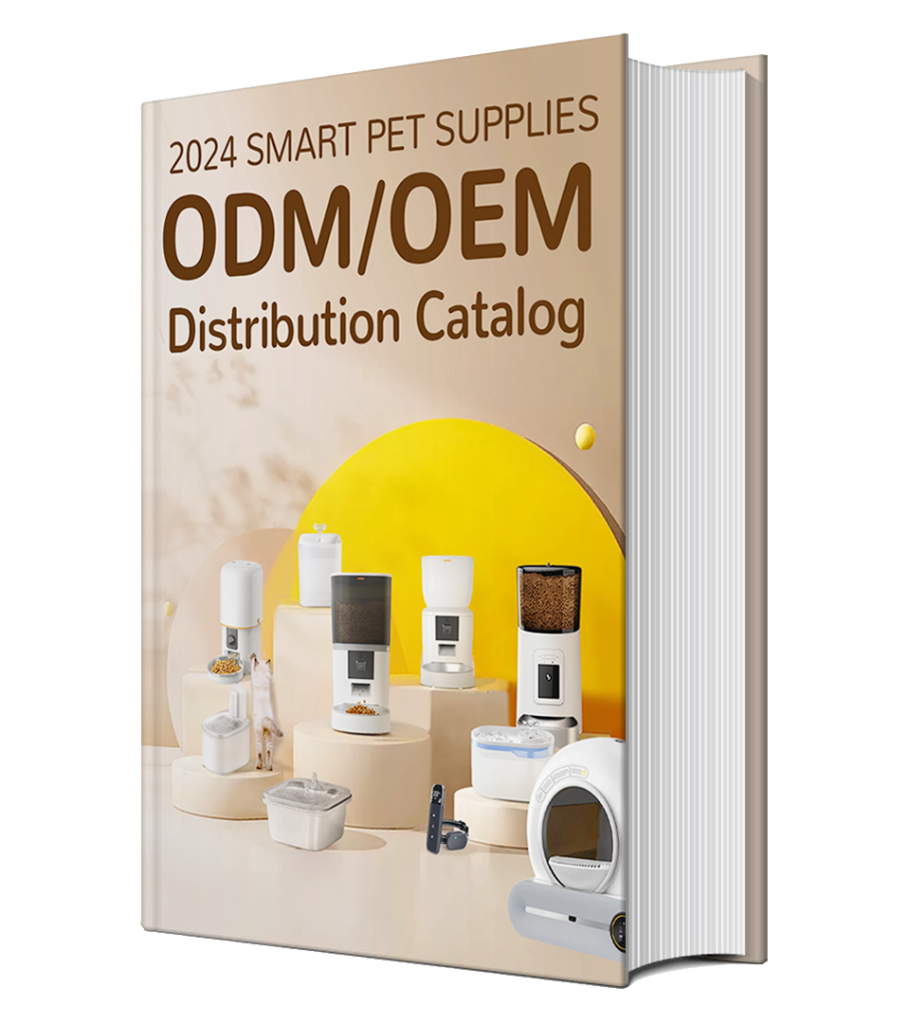

In 2026, smart pet product manufacturing landscape in China is moving at a pace that leaves experimentation behind—what used to be niche innovation is now the standard expectation. From China OEM smart feeders to AI-powered automatic litter boxes, connected pet devices are reshaping how pets are cared for and how brands compete globally.
The surge in smart pet market growth is fueled by premiumization, IoT adoption, and data-driven pet care. Subscription-based feeding solutions, automatic litter monitoring, and app-controlled devices are not just conveniences—they are transforming daily routines for pet owners, creating new expectations for reliability, safety, and user experience.
This rapid growth has drawn attention from a diverse set of players:
- Amazon-native brands looking to scale quickly
- DTC startups aiming for high-margin recurring revenue
- Traditional pet supply companies upgrading to smart, connected devices
- Investors chasing hardware-enabled subscription models
Yet many entrepreneurs overlook a critical factor: more than 70% of emerging brands stumble not due to marketing missteps, but because of misjudgments in smart pet product manufacturing in China. Tooling errors, firmware flaws, overlooked compliance requirements, and unreliable suppliers can quietly erode months of investment and consumer trust.
The most overlooked risk isn’t simply launching a product. It’s entering production without a clear understanding of manufacturing workflows, OEM strategies, certification pathways, and quality assurance. Growth opens opportunity—but mismanaged manufacturing decisions can produce losses that are almost impossible to recover.
This guide approaches smart pet product manufacturing from a buyer’s perspective, giving you insights into cost structures, risk management, production timelines, OEM strategy, and real-world case data that reveal what works and what doesn’t.
For those new to this space, you might find our step-by-step guide for launching a smart pet brand helpful in building a foundation before diving into complex manufacturing decisions.
Why Smart Pet Product Manufacturing Is Booming in 2026
The growth in smart pet product manufacturing isn’t a fad—it’s structural. Pet owners now expect devices that do more than dispense food or track water—they want intelligent, connected experiences. For brands and OEM buyers, this shift creates immense opportunity but also a new layer of complexity.
Curious about your custom feeder project timeline? → Request your OEM Feasibility Assessment now
Smart Pet Market Growth & Pet Tech Manufacturing Trends
Three transformative forces are shaping the landscape:
- IoT-driven care models connecting pets, apps, and cloud dashboards
- Subscription + hardware ecosystems driving recurring revenue
- Data-based health monitoring enabling informed pet care
Current pet tech manufacturing trends reflect these demands:
- Smart cat feeder manufacturing with real-time feeding data tracking
- Smart pet water fountain production integrated with app alerts
- Automatic litter box manufacturing using multi-cat recognition technology
- Camera-enabled pet feeder systems for remote monitoring
- App-controlled litter box ecosystems linked to cloud dashboards
At the factory level, this translates to:
- Integration of IoT in pet products
- Cloud-based pet device control
- Deep mobile app integration for pet devices
- Expansion of AI pet behavior monitoring
This is no longer traditional plastic assembly. Today, smart pet hardware manufacturing blends embedded systems engineering with factory production.
Avoid early pitfalls by understanding common pitfalls in smart pet product development.
Learn more about AI-powered pet device trends → AAAI Pet AI & IoT Research
Why Connected Pet Product Production Is Reshaping OEM Strategy
Traditional OEM once meant plastic molding and assembly. Modern connected pet product production demands:
- PCB engineering
- Firmware development
- App API integration
- Server deployment
- Data security compliance
A contemporary smart pet product factory operates automated assembly lines while simultaneously maintaining embedded software teams.
Manufacturing today is not “make and ship”—it’s system architecture execution.
Brands should understand how pet product manufacturing model: OEM vs ODM vs private label compare for smart pet devices before committing to production.
What Smart Pet Product Manufacturing Really Includes
Many buyers assume sourcing a device from a catalog is enough. In reality, smart pet product manufacturing spans hardware, firmware, tooling, compliance, and supply chain synchronization.
Want a detailed cost checklist for 2026? → Download our Smart Pet Manufacturing Cost Checklist
OEM Smart Pet Manufacturing vs Private Label Smart Pet Products
There are three main routes:
- OEM manufacturing – fully custom based on your design
- ODM solution – factory-owned design, modified for your brand
- White label pet products – logo-only customization
Brands considering private label smart pet devices should know:
- Mold ownership is not yours
- Competitor duplication is possible
- Firmware control is limited
True custom smart pet product development requires private mold development and structured engineering collaboration with a B2B smart pet manufacturer.
From IoT Pet Device Development to Mass Production Smart Pet Device
The complete process involves:
- Industrial design
- Structural engineering
- PCB design
- Firmware customization
- App-side development
- Injection molding for smart pet products
- Smart pet production line setup
- Reliability testing
- Packaging compliance
For example, in WiFi-enabled pet device manufacturing, alignment across the system includes:
- RF shielding
- Antenna layout
- Cloud latency control
- Over-the-air firmware updates
This illustrates why app-controlled pet product production demands seamless coordination between hardware and software teams. You might find our end-to-end smart pet product development steps helpful for understanding the workflow from concept to mass production.
The Hidden Complexity Inside Smart Pet Product Manufacturing
Inside a typical Shenzhen smart pet factory, complexity often hides in areas like:
- Load cell weight sensor calibration for feeders
- Motor torque testing for automatic litter box rake systems
- Infrared detection system alignment
- Power management PCB safety
- Moisture resistance validation
Many brands underestimate product validation before mass production, which is where hidden failure costs begin. For an in-depth perspective on potential pitfalls, you can review hidden risks in selecting smart litter box suppliers.
The Smart Pet Product Development Process (Concept to Launch)
A structured process can transform uncertainty into confidence, turning your smart pet product idea from a concept into a launch-ready device. Every decision—from feature prioritization to supplier selection—affects timelines, costs, and long-term brand reputation.
For guidance on validating your idea without overspending, you can reference how to validate smart pet product concepts cost-effectively.
Market Validation Before Smart Pet Product Manufacturing Begins
Before moving into contract manufacturing smart pet products, it’s essential to confirm:
- Genuine market demand
- Feature differentiation that resonates with pet owners
- Estimated retail price alignment
- Competitive firmware functionality
Skipping this step is often the fastest route to wasting your smart pet tooling investment, as untested ideas rarely survive launch pressures. Careful validation ensures your innovation addresses real customer pain points and avoids costly missteps.
Engineering, Smart Pet Prototype Development & Tooling Costs
The prototyping and tooling stage sets the foundation for everything that follows:
- EVT prototypes to test functionality
- DVT refinements to perfect design and reliability
- Private mold development for exclusive parts
- Tooling trials to prevent production delays
In smart pet product sourcing in China, tooling investments typically range from:
- $5,000 for small feeder housings
- $15,000–$30,000 for large automatic litter box shells
Even minor mistakes at this stage can lead to mold rework—the most common source of hidden cost overruns. A disciplined approach here saves months of frustration later.
Certification Phase: CE Certification Smart Pet Product & FCC Certification Pet Device
Global compliance cannot be an afterthought. For export smart pet devices globally, certification often includes CE, FCC, RoHS, and battery transport tests, following safety standards recommended by the U.S. Consumer Product Safety Commission.
Failing compliance freezes production and erodes credibility. Trusted suppliers like Guangdong pet product supplier Petrust® prepare certification documentation ahead of mass production.
For brands planning international sales, aligning with EU, US, and Japanese regulations is critical—you might find our smart pet water fountain certification requirements helpful for planning.
Pilot Run & Mass Production Smart Pet Device
Pilot runs confirm that design intentions hold up under real production conditions, covering:
- Assembly accuracy
- Firmware stability
- App connectivity
- Packaging integrity
Once these checks pass, scaling becomes feasible through a stable automated assembly line for pet devices. For a realistic view of what it costs to develop smart pet products in China, you can review real costs of smart pet product development in China.
Smart Pet Product Manufacturing Cost Breakdown (2026 Edition)
Cost clarity accelerates confident decisions.
Want a detailed cost checklist for 2026? → Download our Smart Pet Manufacturing Cost Checklist
Tooling Investment & Smart Pet MOQ Requirement
Primary cost drivers include:
- Plastic molds
- PCB development
- Firmware programming
- Packaging
Typical MOQ for bulk smart pet product orders is:
- 500–1,000 units for feeders
- 300–500 units for litter boxes
Low MOQs often come with higher per-unit prices, so balancing scale and flexibility is key.
Firmware Development & App Integration Costs
Software is where smart devices come alive:
- $8,000–$20,000 for firmware customization
- $10,000–$30,000 for app development (if a factory base system isn’t used)
In WiFi-enabled pet device manufacturing, recurring costs also include server hosting and OTA support. You might find smart feeder firmware and app integration guidance helpful when planning budgets.
The Real Smart Pet Product Manufacturing Costs Most Brands Ignore
Hidden costs can erode margins quickly:
- Mold revisions
- Sensor recalibration
- Certification retesting
- Firmware debugging
- Delay penalties from missed launch windows
A low quote from an OEM smart pet product supplier often excludes these, so budgeting for contingencies is essential.
OEM Smart Feeder Cost vs Smart Litter Box Manufacturing Price
Typical development ranges:
- Smart feeder total development: $30,000–$60,000
- Automatic litter box: $50,000–$120,000
The cost difference comes from:
- Structural complexity
- Motor systems
- Sensor arrays
- Weight management systems
When prices seem unusually low, it usually signals compromises in component quality. You can also reference a full 0–180 day OEM development plan: complete OEM smart feeder timeline breakdown.
OEM vs ODM: Choosing the Right Smart Pet OEM Manufacturing Model
When OEM Smart Pet Manufacturing Makes Strategic Sense
OEM is the preferred path when:
- Exclusive distribution rights are needed
- Firmware ownership is required
- Deep feature differentiation is essential
For scaling brands, OEM offers control over both hardware and software innovation.
When to Work with a Smart Pet ODM Manufacturer
ODM can make sense when:
- Budgets are tight
- Speed-to-market is crucial
- Minor customization suffices
Startups often benefit from reduced lead time for OEM smart pet products by 30–40%, allowing faster iteration without compromising initial launch quality.
How Long Does Smart Pet Product Manufacturing Take?
Timeframes in smart pet product manufacturing are rarely one-size-fits-all. Complexity, design features, and integration of IoT components all influence how long it takes from concept to a finished product in hand.
Brands that anticipate realistic timelines reduce stress, avoid costly rush fees, and maintain consistent quality.
Typical Timeline for OEM Smart Pet Manufacturer China Projects
Depending on your product type, timelines under stable engineering coordination with an experienced OEM smart pet product supplier like Petrust® typically look like:
- ODM feeder: 60–90 days
- OEM feeder: 120–180 days
- Complex automatic litter box: 180–240 days
These estimates assume smooth mold development, firmware integration, and prototype validation—each step adding layers of complexity if overlooked. Understanding where time is spent helps plan launch campaigns and inventory flow more accurately.
Why Smart Pet Mold Development Issues Cause Production Delays
Even minor errors in mold development can cascade into weeks of delay. Common triggers include:
- Mold steel selection errors
- Wall thickness miscalculations
- Sensor alignment mismatches
- Firmware-hardware conflicts
Each mold revision can add 15–30 days to your timeline. Planning with experienced engineering teams helps anticipate these issues before production begins, saving both time and money.
Common Risks in IoT Pet Product Manufacturing (And How to Avoid Them)
Being proactive about risks in smart pet product manufacturing builds confidence, preserves budgets, and protects your brand reputation.
Certification Failure & Quality Inspection Smart Pet Factory Problems
Weak auditing or skipped inspections can lead to serious consequences. A factory audit smart pet manufacturer process should catch:
- Documentation gaps
- EMC compliance failures
- Battery overheating hazards
Confirming testing labs and pre-test reports reduces uncertainty.
Verify suppliers efficiently → SCAN Supplier Audit Standards
Firmware Bugs, Sensor Calibration & OEM Smart Feeder Production Delays
Even with a solid factory, software and hardware integration can be tricky. Common issues include:
- Feeding schedule sync failures
- Load cell drift
- Motor torque mismatches
- App crashes during firmware OTA updates
Strong engineering oversight inside the smart pet product factory minimizes these risks and keeps pilot runs on schedule. Continuous collaboration between hardware and firmware teams ensures your device performs reliably from day one.
How to Choose a Reliable Smart Pet Product Manufacturer in China
Selecting a smart pet product manufacturer in China is a strategic move, impacting product quality, launch speed, and long-term scalability.
Engineering Capability & IoT Pet Product Manufacturing Experience
Look for suppliers who demonstrate:
- Internal IoT integration in pet products expertise
- Full control over PCB design
- Operation of their own smart pet production line
- A track record of global shipments
A genuinely reliable smart pet supplier will provide evidence of firmware support, quality testing, and export compliance to support your brand growth.
Factory Audit Smart Pet Manufacturer Checklist
During evaluation, consider:
- In-house mold workshops
- Size and expertise of software teams
- Assembly QA protocols
- History of reliability with China suppliers
- Production capacity to scale
A transparent and open China smart pet factory welcomes audits, helping you mitigate hidden risks and strengthen supplier relationships.
Case Study: From Idea to Market Through Structured Smart Pet Product Manufacturing
Seeing the process in action highlights the value of careful planning.
A mid-size Amazon brand partnered with a B2B smart pet manufacturer with:
- $40,000 development budget
- Concept for a camera-enabled smart feeder
- 150-day launch target
Key actions included:
- Early mold flow simulation to catch potential issues
- Pre-certification EMC testing to ensure compliance
- Firmware beta trials with 50 users to validate stability
Results speak for themselves:
- Avoided a second mold revision, saving $8,000
- Passed RoHS certification on the first attempt
- Successfully shipped 1,000 units in the first production batch
This example shows how structured smart pet product manufacturing in China prevents costly rework, shortens time-to-market, and safeguards your brand’s reputation.
Thoughtful coordination across engineering, certification, and production ensures your smart device is ready for global customers from day one.
Is Smart Pet Product Manufacturing Right for Your Brand?
Every brand considering smart pet product manufacturing faces a balance between ambition and reality. Asking the right questions upfront can save months of frustration and tens of thousands in hidden costs:
- Is your budget above $30,000?
- Do you understand total smart pet product development cost?
- Can you accommodate 120–180 day development cycles?
- Are you prepared for certification investment?
- Will you conduct a factory audit?
Answering “yes” to these signals readiness—but even then, careful planning and clear alignment with your OEM smart pet product supplier are essential to avoid delays or quality issues. Thoughtful preparation at this stage often separates successful launches from costly setbacks.
Next Steps Based on Your Stage:
- Still validating? → Download Smart Pet Manufacturing Cost Checklist
- Prototype ready? → Request Development Timeline Assessment
- Ready to invest? → Request OEM Feasibility Assessment
These steps provide structured guidance whether you’re exploring feasibility, refining prototypes, or preparing for full-scale production, helping you approach each stage with confidence.
FAQ
How long does smart pet product development take?
120–180 days for OEM projects; 60–90 for ODM solutions.
How much does it cost to develop a smart feeder?
Typical budgets range from $30,000–$60,000 depending on firmware complexity and tooling requirements.
What are hidden risks in OEM smart litter box production?
Sensor misalignment, motor system failures, and certification delays are the usual culprits that brands underestimate.
Is ODM safer for startups?
ODM can reduce cost and shorten time-to-market but may limit exclusivity and firmware control.
How to reduce development risk in China?
Structured validation, thorough mold review, and firmware testing before scaling production are key. You might find smart feeder firmware and app integration guidance helpful in coordinating these elements efficiently.
Conclusion
Smart pet product manufacturing is far more than assembling devices—it’s strategic risk management wrapped in precision engineering and thoughtful planning. Every decision, from budget allocation to factory selection, directly impacts your product’s launch success.
- Evaluating the market? Begin by studying cost structures and hidden expenses.
- Holding a concept? Validate before committing to tooling and molds.
- Ready for prototypes? Align firmware, PCB, and mold development to avoid costly revisions.
Brands that thrive in 2026 won’t necessarily be the fastest movers—they’ll be the ones who navigate manufacturing risks skillfully and plan ahead for every stage.
When buyers seek insight about costs, timelines, OEM strategy, or compliance, clarity should come before urgency, giving them confidence to move forward with the right B2B smart pet manufacturer.
Thoughtful planning transforms uncertainty into opportunity—and that is the heart of successful smart pet product manufacturing.