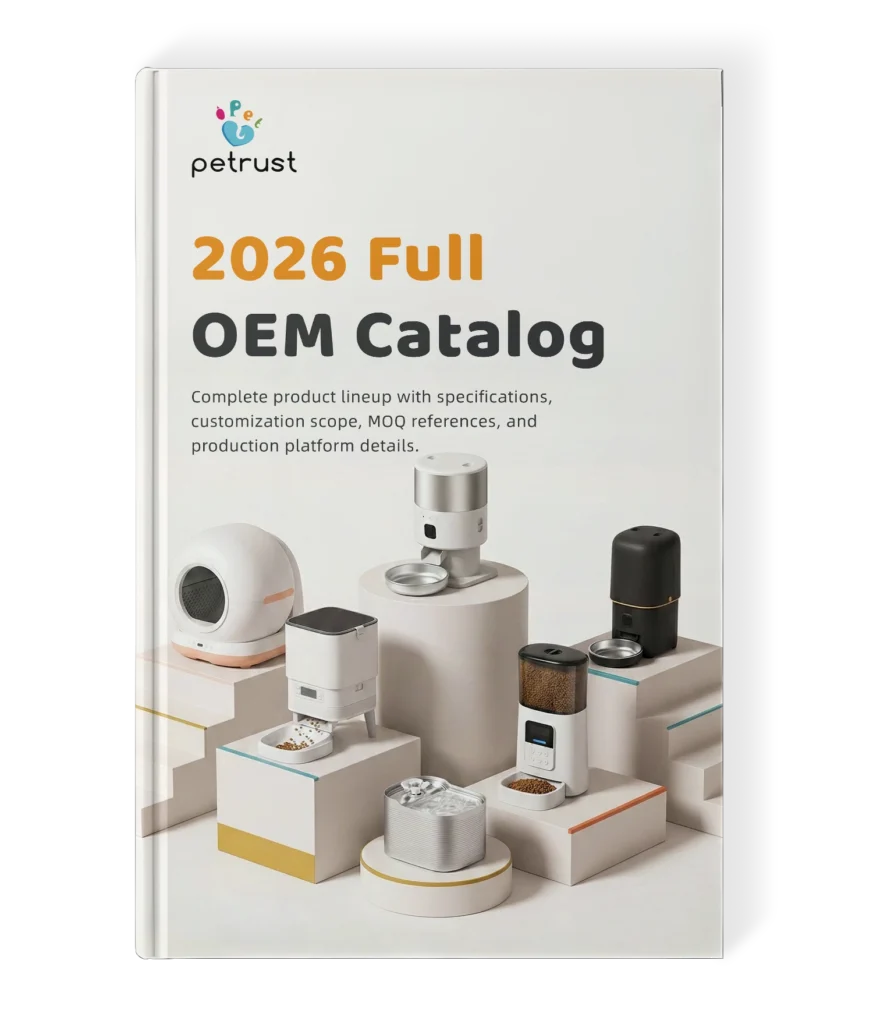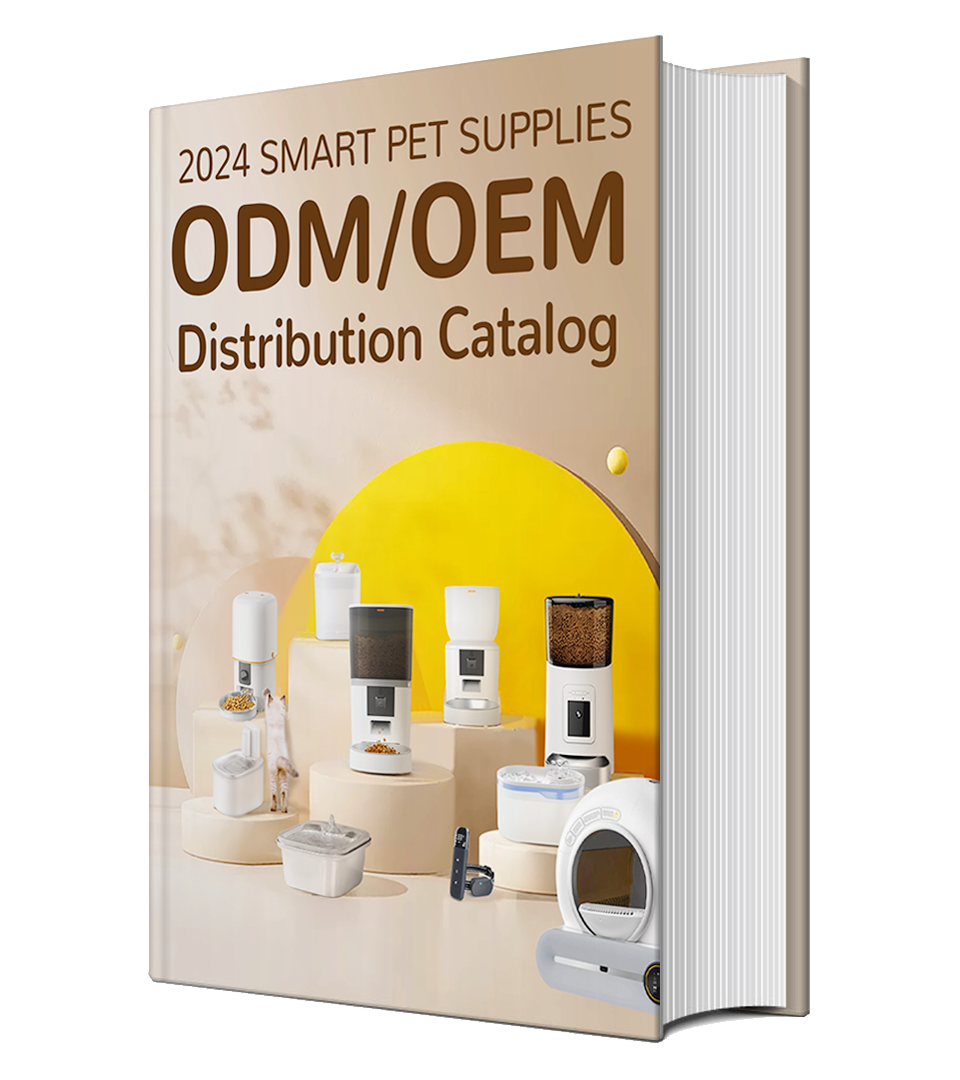

When evaluating CE FCC certified cat feeder manufacturers, it’s common for overseas buyers to assume that certification alone guarantees smooth export and marketplace approval. Many brands face unexpected hurdles—ranging from customs clearance issues CE FCC to rejection on platforms like Amazon—simply because the certificates provided were incomplete, outdated, or misrepresented.
Working with a manufacturer whose certifications are verified and up-to-date is not just a legal safeguard—it also protects your investment, reduces the risk of costly returns, and ensures your products reach customers without delays.
This guide provides a practical buyer verification framework, highlighting how to evaluate certification compliance across CE, FCC, RoHS, UL, and ETL, while also factoring in OEM capabilities and the nuances of WiFi-enabled smart feeders.
Transitioning from compliance concerns to sourcing decisions, you might find our insights into leading smart cat feeder manufacturers in China helpful for benchmarking quality, production capabilities, and reliability when choosing your supplier.
By following these steps, you’ll gain a clear path for supplier compliance verification process, enabling your team to assess manufacturers confidently and bring high-quality, certified smart feeders to market efficiently.
Why CE FCC Certified Cat Feeder Manufacturers Are Critical Before Ordering
Not all “certified”CE FCC certified cat feeder manufacturers are truly compliant. Many buyers assume a certificate alone guarantees compliance, only to face delays, returns, or platform restrictions. For devices with WiFi or Bluetooth modules, the stakes are even higher, combining electrical safety with radio frequency regulations that vary across markets.
In both the EU and US, authorities hold manufacturers accountable for product safety, but buyers also share responsibility. Understanding the EU CE compliance for smart pet products is essential for importers, as according to the official guidance from the European Commission, the CE marking indicates that a product meets all applicable EU safety and legal requirements before being placed on the European market.
Ensuring your supplier meets these standards protects pets, your brand, and your business from unexpected liabilities. For practical guidance on EU-specific rules for smart feeders, you might find CE compliance rules for automatic pet feeders helpful.
CE FCC Compliance for Smart Pet Feeders: Your Responsibility as a Buyer
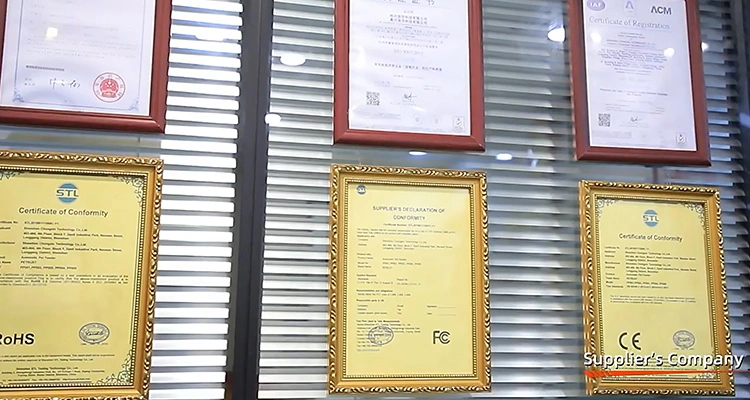
Even if a manufacturer claims certification, validating certificates, declarations, and test reports is ultimately up to you. Performing due diligence early in the process safeguards your battery-powered pet feeder compliance, reduces costly delays, and helps avoid regulatory complications.
For WiFi and Bluetooth-enabled feeders, verifying FCC IDs is critical, as research by the FCC emphasizes that radio frequency devices must be properly authorized before entering the US market.
You can use structured methods from methods to verify smart pet product manufacturers in China to streamline this process and assess potential suppliers confidently.
Step-by-Step Guide to Verify CE FCC Certified Cat Feeders for OEM Buyers
A structured verification process ensures you select reliable, compliant manufacturers. This section provides actionable steps for OEM buyers sourcing CE FCC certified cat feeders.
CE FCC Certificate Verification: Documents You Must Request
Request originals of certificates, declarations of conformity (DoC), and test reports. Verify that each certificate matches the manufacturer’s name and the product model. Cross-reference FCC IDs for WiFi or Bluetooth modules to confirm proper registration.
This forms a crucial part of compliance due diligence for pet product buyers. For a practical checklist, you might find verify CE/FCC/RoHS certificates authenticity helpful.
CE FCC Documentation for OEM Projects Explained
For private label or custom OEM designs, confirm that the factory holds CE, FCC, and RoHS certificates for the exact model you plan to order. Certificates must cover electronics and materials alike. Many suppliers rely on outdated tests or incomplete documentation, creating potential compliance gaps.
EU product safety requirements are detailed in Regulation (EU) 2023/988, ensuring products on the market do not endanger consumer health.
Cross-check electrical safety ratings and material compliance to ensure safe pet electronics. For a deeper understanding of handling and evaluating samples, refer to guide to requesting and evaluating pet product samples from China.
Essential Documents from CE FCC Certified Cat Feeder Manufacturers
| Document | Purpose | Key Checks |
| CE Declaration of Conformity | Legal compliance in EU | Manufacturer name, product model, referenced directives |
| FCC Part 15 Test Reports | Radio frequency compliance | Verify FCC ID, test dates, module vs. full unit |
| RoHS Compliance Statement | Material safety | Check hazardous substance limits—refer to RoHS and food-grade plastic requirements for feeders |
| Material Safety Documentation | Food-grade plastics | Ensure pet safety—refer to RoHS and food-grade plastic requirements for feeders |
CE DoC (Declaration of Conformity) for Cat Feeders: What to Check
The CE DoC should include manufacturer information, product details, and references to applicable directives. Complete, signed documents are essential—missing details could create import compliance risks pet feeders.
How CE FCC Certified Cat Feeder Manufacturers Handle FCC ID Registration
FCC registration is required for WiFi or Bluetooth devices. Request the FCC ID and verify it in the official FCC database. Proper registration ensures smart pet feeder radio frequency compliance and protects your listings from marketplace restrictions. For more detail on testing processes, you can refer to FCC testing process for WiFi smart feeders.
CE FCC Certified Cat Feeder Manufacturers: Key Requirements Every Buyer Should Know
CE FCC certified cat feeder manufacturers are often assumed to guarantee smooth compliance, yet even experienced B2B buyers sometimes encounter unexpected hurdles.
Certificates alone do not eliminate the risk of customs clearance issues CE FCC or marketplace restrictions. A closer look at CE and FCC rules helps highlight potential red flags before you place an order:
- CE EMC vs LVD: electromagnetic compatibility and low-voltage directives
- FCC Part 15: limits for unlicensed radio transmissions
CE EMC vs LVD for Automatic Feeders: What’s the Difference
EMC ensures devices do not interfere with other electronics, while LVD guarantees electrical safety. Both are essential for legal EU compliance and protecting your end users from safety risks.
FCC Part 15 Compliance for WiFi & Bluetooth Pet Feeders
Part 15 defines technical standards for radio frequency emissions. Confirm that your OEM follows proper testing protocols to maintain automatic cat feeder with WiFi certification, ensuring the product can be legally marketed and imported.
Common Compliance Gaps Found in CE FCC Certified Cat Feeder Manufacturers
Even certified suppliers sometimes have compliance gaps. Common issues include expired certificates, module-only testing, and misapplied directives that may not cover your final product.
Common CE FCC Compliance Mistakes in Pet Feeder OEM Projects
Many factories rely on generic or outdated certificates. Cross-checking these documents helps prevent future OEM cat feeder compliance support issues, as noted by the U.S. Consumer Product Safety Commission, which emphasizes that adherence to established safety standards protects consumers from potential hazards. You might find key questions to ask before selecting a pet product manufacturer helpful when evaluating suppliers.
When CE FCC Certified Cat Feeder Manufacturers Rely on Module-Only Testing
Module-only certification does not automatically cover the complete assembled unit. Verifying full-unit testing is crucial to ensure private label pet feeder certification aligns with import regulations.
CE FCC Certification Risks When Importing Cat Feeders
Non-compliant smart cat feeders can trigger shipment delays, fines, or platform bans.
Fake CE FCC Certificates in Pet Products: Real Red Flags
Some suppliers provide counterfeit certificates or images sourced from other manufacturers. Always validate authenticity with official databases to reduce import compliance risks pet feeders.
Borrowing CE FCC Certificates from Other Factories: Why It Fails Audits
Certificates borrowed from unrelated factories are illegal and fail customs inspections. Avoid shortcuts to maintain supplier compliance verification process integrity.
How to Evaluate CE FCC Certified Cat Feeder Manufacturers as an OEM Buyer
Beyond reviewing certificates, consider the manufacturer’s credibility and experience:
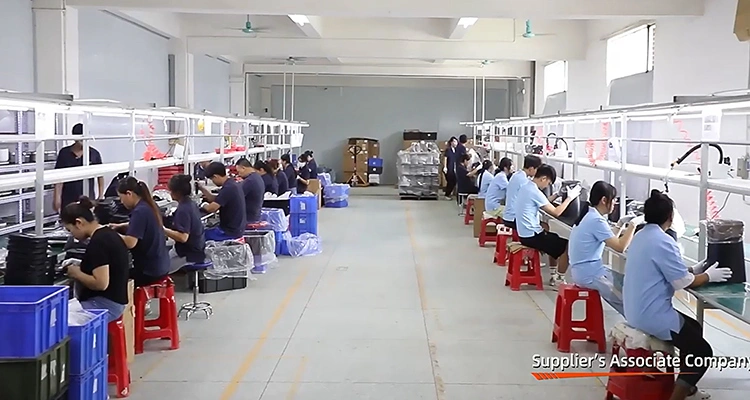
- Factory audits
- OEM experience with WiFi-enabled smart feeders
- Long-term compliance support
For additional guidance on certifications, you can find the pet product certification guide for OEMs helpful.
Manufacturer vs Trading Company: Who Owns the CE FCC Certificates
Certificates should be issued directly to the manufacturer, not a trading intermediary. Ownership affects accountability in factory audit for pet feeder manufacturers.
Certification Holder Responsibility in OEM Cat Feeder Orders
Ensure the certificate holder assumes liability and can provide supporting test documentation. This reduces customs clearance issues CE FCC. Reviewing optional UL & ETL certifications for pet feeders provides additional security.
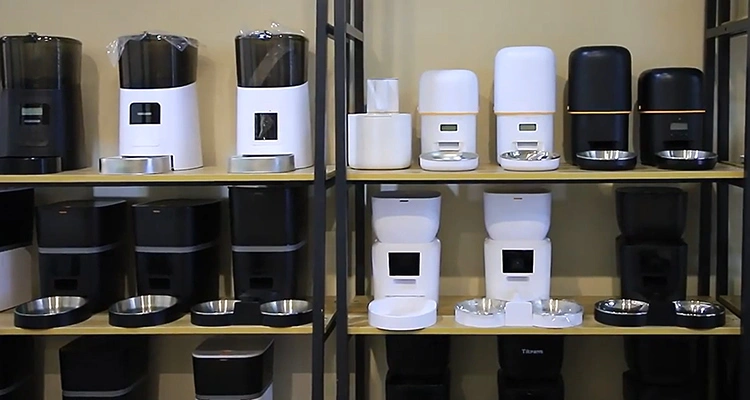
CE FCC Certified Pet Feeder Manufacturers Checklist Before You Order
| Step | Action |
| Step 1 | Action Verify original CE/FCC certificates and DoC |
| Step 2 | Cross-check FCC IDs and module certifications |
| Step 3 | Confirm RoHS and material compliance |
| Step 4 | Conduct factory audits for OEM reliability |
| Step 5 | Confirm additional certifications like UL/ETL if required |
Final Buyer Checklist to Verify Certificates Are Real Before Payment
Request full documentation from the manufacturer. Confirm all certificates are current and valid, and ensure the product model matches the tested unit.
Conducting thorough compliance due diligence for pet product buyers includes checking product safety and recall documentation, in line with U.S. Consumer Product Safety Commission guidance.
Double-check platform-specific requirements such as Amazon compliance requirements for pet feeders to avoid last-minute setbacks.
Final Thoughts – Secure Your Brand with Verified CE FCC Certified Cat Feeder Manufacturers
Certification goes beyond a piece of paper—it represents a system of accountability, quality, and trust. Partnering with a legitimate CE FCC certified cat feeder manufacturers ensures that every unit you bring to market meets strict standards, reduces import risks, and strengthens your brand’s reputation.
Before placing an order, confirm that:
- Certificates and supporting documents are authentic
- The responsible party is the actual manufacturer
- Test coverage aligns with your product’s features
Following these steps supports a safe and reliable OEM cat feeder compliance support process. You can start with a thorough supplier review, pre-check compliance documents, and discuss feasibility with your potential OEM partner. This proactive approach positions your brand for long-term success in the growing smart pet product market.
Trusted Smart Pet Feeder Solutions Designed for B2B Brands by Petrust®
For B2B buyers seeking CE FCC-compliant smart cat feeders with dependable OEM/ODM support, Petrust® provides a curated range of solutions designed to meet your brand’s unique needs. From multi-pet households to private-label projects, Petrust® combines factory expertise with advanced smart pet technology, making product development simpler and more reliable.
Featured Smart Feeders:
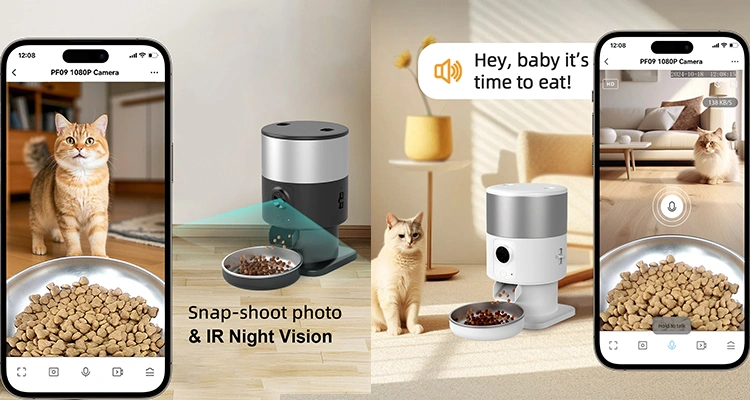
- Petrust® PF09 Smart Cat Feeder with Camera – Wi-Fi-enabled with real-time monitoring via app, dual-portion control, two-way audio, and night vision. Perfect for brands serving tech-savvy cat owners who value safety and convenience.
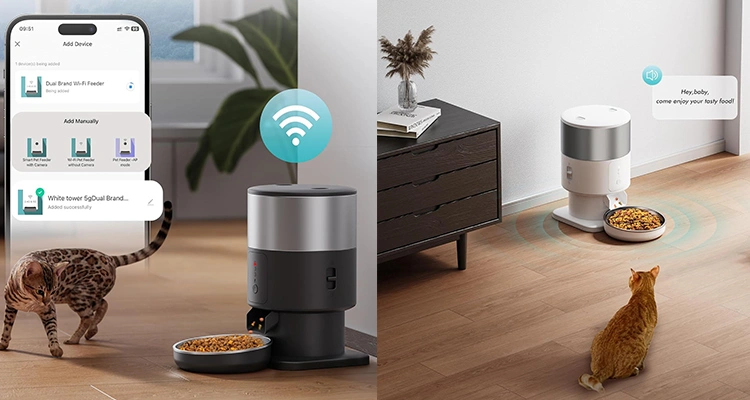
- Petrust® PF07 Smart Wi-Fi Pet Feeder – Compact, intuitive, and app-integrated for scheduled feeding and portion control. Ideal for multi-pet solutions.
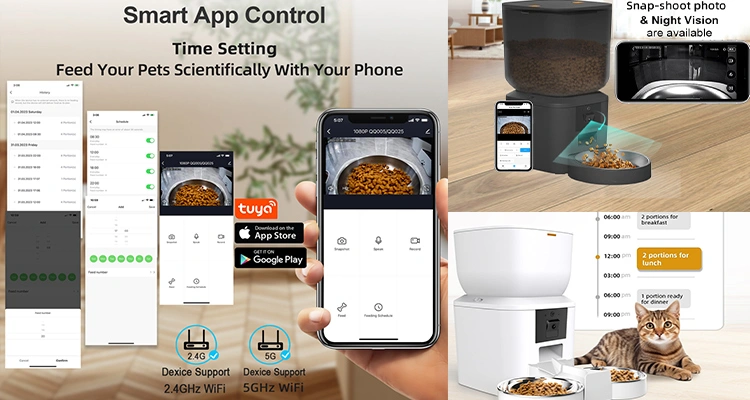
- QQ029 Smart Pet Feeder with Camera – Advanced camera and portioning capabilities, supporting multi-pet identification for premium private-label lines.
Petrust® OEM/ODM Capabilities:
- Fully customizable product designs, colors, logos, and packaging
- CE, FCC, RoHS-compliant smart pet feeder production
- In-house R&D, rapid prototyping, and scalable manufacturing
- Long-term compliance support for multi-region export
You can start building your smart pet product line with a trusted partner by requesting an OEM/ODM sample today. You might find a free consultation on private-label smart feeder design helpful in understanding how Petrust® ensures your products reach customers fully compliant and market-ready.
FAQ: CE FCC Certified Cat Feeder Manufacturers
1. How long does it take for Petrust® to deliver OEM samples of CE FCC certified cat feeder?
Standard OEM samples are typically ready within 10–15 business days, depending on customizations. Petrust® ensures all samples meet CE/FCC compliance requirements before shipment.
2. Can multiple pet identification be customized for CE FCC certified cat feeder?
Yes, Petrust® supports multi-pet recognition and customization for private-label feeders, ensuring compatibility with your brand’s target market.
3. Are all Petrust® smart pet feeders fully compliant with CE FCC standards?
Absolutely. Every unit is produced under strict CE/FCC/RoHS compliance, and documentation is provided to B2B buyers for smooth import and marketplace approval.
4. Can I request custom colors, logos, and packaging for Petrust® smart cat feeders?
Yes, Petrust® offers full OEM/ODM customization for your brand, including color, packaging, and logo.
5. Does Petrust® provide guidance for international compliance when ordering CE FCC certified cat feeders?
Yes, Petrust® offers long-term compliance support for multi-region export, including documentation and certification guidance for CE/FCC markets.
Case Study: Real Results from Certified Smart Cat Feeder Partnerships
A European pet brand partnered with Petrust® to launch a private-label PF09 Smart Cat Feeder with Camera. Within three months, the product went live on Amazon EU, fully CE/FCC compliant, and achieved a 4.8-star average rating, selling over 1,200 units in the first month.
This example highlights the tangible benefits of choosing a reliable CE FCC certified cat feeder manufacturers for B2B smart pet product sourcing.
You can leverage this model to confidently launch your own certified smart pet feeders and strengthen your brand’s reputation in international markets.