
Navigating automatic cat feeder sourcing pitfalls can be trickier than many first-time importers expect. On the surface, importing from China might feel like a smart, straightforward business decision—but behind the scenes, the process is filled with hidden risks that can quietly erode your profit margins and damage your brand reputation.
From vague supplier communication and poor product consistency to surprise costs and compliance issues, even experienced buyers can get caught off guard.
Whether you’re a new DTC brand trying to stand out on Amazon or an established pet product retailer expanding your line, avoiding these sourcing missteps can mean the difference between scaling smoothly and falling into costly traps.
In this guide, we break down the top 5 automatic cat feeder sourcing pitfalls that smart importers watch for—and how you can sidestep each one like a seasoned pro.
Want a more detailed walk-through of the full sourcing and shipping process? Don’t miss our companion article: How to Import Automatic Pet Feeder from China: A Step-by-Step Guide.
#1: Supplier Type Mismatch – A Hidden Sourcing Pitfall
Choosing the wrong type of supplier is one of the most overlooked automatic cat feeder sourcing pitfalls, especially for buyers who rely heavily on platforms like Alibaba. While many listings are labeled as “manufacturers,” the reality is more nuanced—some are actually trading companies or middlemen posing as factories.
This seemingly small misunderstanding can lead to a ripple effect: communication delays, inflated pricing, inconsistent quality, and zero visibility into how your product is actually made.
For brand owners and importers, the risk isn’t just logistical—it’s reputational. Customers notice when products don’t match what’s promised, and it only takes one bad batch to lose hard-earned trust.
How to Confirm You’re Working with a Real Automatic Cat Feeder Manufacturer
To protect your time, money, and peace of mind, here’s how to verify your supplier is truly factory-direct:
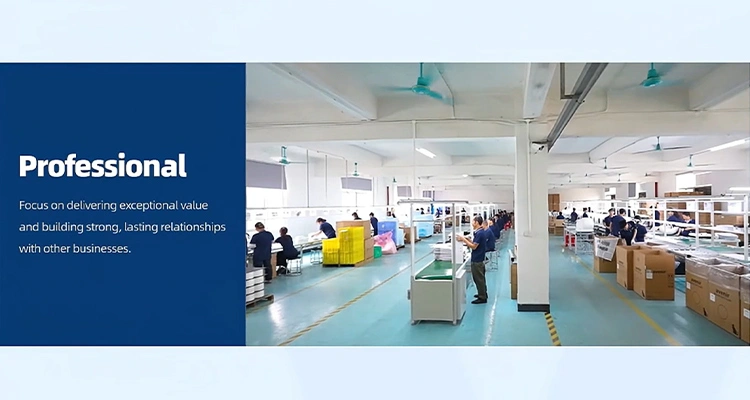
- Ask for a third-party factory audit (ideally conducted by organizations like SGS, TUV, or Intertek). These reports provide concrete proof of manufacturing capabilities and quality control systems.
- Request a video walk-through of their facility, including injection molding, electronics assembly, and final packaging. Real factories are usually happy to show you around—digitally or in person.
- Check the business license carefully. Look for language that explicitly includes “manufacturer,” “production,” or “factory.” Avoid companies that only list “trading” or “export.”
Watch for Red Flags:
- Only offering polished marketing images or photos that seem lifted from the internet
- Vague answers about where and how the product is made
- Requesting payment before sharing credentials, compliance records, or a proper invoice
Third-party platforms can help verify claims—use tools like Alibaba’s Verified Supplier system or cross-reference the company on LinkedIn for additional credibility.
Working with a sourcing agent experienced in pet tech or smart appliances can also save you time and filter out unreliable leads.
Need help choosing the right partner for your product line? You can find more tips in our in-depth article: Everything About Automatic Cat Feeder – A B2B Buyer’s Guide.
#2: Certification Issues – One of the Key Automatic Cat Feeder Sourcing Pitfalls
An automatic cat feeder might look perfect in the catalog—sleek design, smart functions, great pricing. But without the right certifications, it could quietly become one of your biggest sourcing regrets. Among all the automatic cat feeder sourcing pitfalls, overlooking regulatory compliance is one that can derail your entire project.
Whether you’re selling on Amazon, launching your own e-commerce brand, or distributing in retail stores, product certifications aren’t just a formality—they’re a requirement. Customs can hold your goods, Amazon can suspend your listings, and worse, your brand could lose credibility with customers if safety expectations aren’t met.
What Certifications Are Essential Before Production?
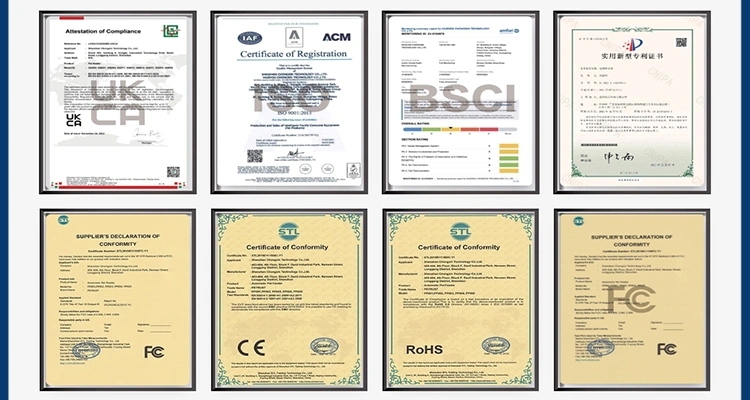
- CE & FCC: These ensure your automatic cat feeder meets electrical safety and signal standards in Europe and the US. Critical for anything with Wi-Fi, Bluetooth, or power supply.
- FDA-Compliant Plastics: In the United States, any material that touches food must meet FDA standards. This includes food trays and water dispensers inside feeders.
- RoHS: Required in EU markets, this ensures electronics are free from hazardous materials like lead or mercury—especially important for battery-powered devices.
To avoid surprises at the border or on your sales platforms, always ask for valid certificates before mass production. Even better, confirm that they come from internationally recognized labs like SGS, TÜV, or Intertek—not just generic documents with unverifiable stamps.
Want a deeper breakdown of what’s required where? Check out our in-depth guide: Automatic Cat Feeder Certifications Guide (2025): CE, FCC, FDA & More. It’s packed with clarity and use cases tailored to pet tech.
Quick Comparison: What’s Needed and Where?
| Certification | Region | Applies To |
| CE | Europe | Electronic safety and compliance |
| FCC | USA | Wi-Fi, Bluetooth, radio frequency |
| FDA | USA | Food-contact plastic materials |
| RoHS | EU/Global | Battery, solder, wiring safety |
#3: Vague Quotes Can Cost You More Than You Think
One of the most common—and costly—automatic cat feeder sourcing pitfalls is placing too much trust in seemingly simple, all-inclusive quotes. You might see a price like $6.50 per smart feeder and think you’ve found a great deal. But often, what’s not included in that number matters more than what is.
What That $6.50 Really Covers (and What It Doesn’t)
In many cases, the initial quote doesn’t account for essential components or services that are critical to product function or market readiness. These “hidden” costs can add up quickly:
- Wi-Fi module: +$1.80 or more
- App integration, licensing, or cloud services: variable, sometimes ongoing
- Custom packaging: $0.50–$1.20 per unit
- CE/FCC certification or food-grade testing fees: varies by region
Understanding the real cost of OEM automatic cat feeder means knowing exactly what’s included—and what’s not—before moving forward.
Want to explore what’s possible with customization? Check out our guide: How to Customize Automatic Pet Feeder: OEM/ODM Options Explained
How to Clarify Costs Like a Pro (and Avoid Nasty Surprises)
Scenario:
A supplier quotes $6.50/unit, but fails to mention that the Wi-Fi module, packaging, or even app features are not included.
What to say:
“Thank you for your quote. Could you kindly provide a detailed cost breakdown, including hardware components, packaging, certifications, app licensing, and any cloud service fees? Also, is there volume pricing available for Wi-Fi modules or packaging upgrades?”
What to watch for:
- Suppliers who resist providing an itemized quote
- Phrases like “app-ready” without clarification on software support or development cost
- “All-inclusive” pricing that sounds too good to be true
Pro tip:
Always request quotes in Excel format, with clear line items and quantities. It makes comparison easier and negotiations smoother. Need help with sampling too? Don’t miss: Automatic Cat Feeder Sample Orders: 5 Steps to Request & Evaluate Like a Pro
#4: Overlooking Quality Control — One of the Most Costly Automatic Cat Feeder Sourcing Pitfalls
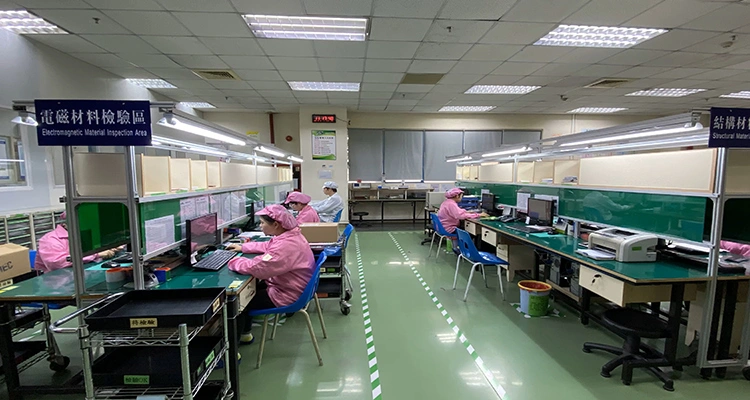
One of the most frustrating experiences for both customers and brand owners is dealing with automatic cat feeders that malfunction—dispensing food unevenly, crashing mid-schedule, or losing connection with the app. These issues often stem from one core mistake: skipping or underestimating quality control.
An automatic cat feeder may look sleek on the outside, but without proper testing, even a small internal defect can lead to a cascade of problems—negative reviews, product returns, and long-term damage to your brand reputation. For importers, this isn’t just about avoiding defects; it’s about delivering consistent, reliable quality that your customers can count on.
How to Ensure Your Feeders Work as Promised—Before They Ship
Instead of discovering problems after your product lands in warehouses or homes, proactive testing at the factory level is a much smarter move. Here are proven steps to help you safeguard product quality:
- Request 100% motor functionality tests to verify smooth food dispensing in every unit.
- Ask for drop-test videos of final packaged units to assess durability in real-world logistics.
- Use third-party quality control services like QIMA, V-Trust, or Bureau Veritas, or partner with globally trusted labs such as SGS, which offer comprehensive inspections, performance tests, and certification reports.
These checks may add a bit of upfront cost—but they can save you exponentially more in the long run.
Quick Quality Control Checklist for Automatic Feeders
| Test | Why It Matters |
| Food dispensing simulation | Prevents jamming and ensures motor reliability under normal use |
| App and feeder sync test | Confirms the software and hardware communicate correctly with no delays |
| Power switch & battery backup test | Reduces risk of feeder failure during power outages |
| Noise-level test | Quiet operation is a big selling point for pet parents |
#5: Packaging & Shipping — Often Overlooked, Yet Critical to Your Success
When sourcing pet products, it’s easy to focus on product specs and supplier pricing—yet overlook one detail that can quietly make or break your business: packaging and shipping.
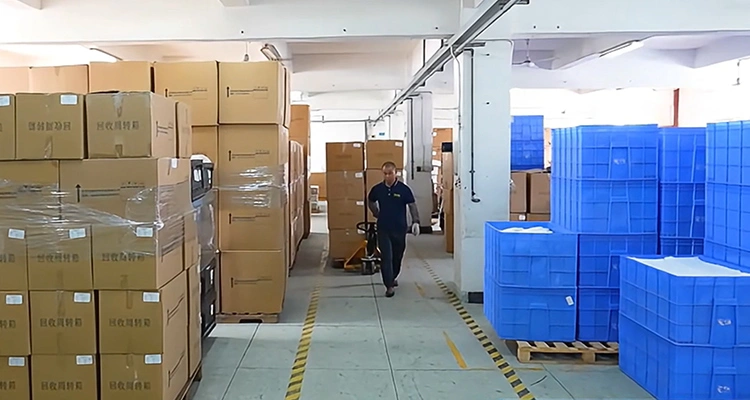
For something as bulky and sensitive as an automatic cat feeder, even small missteps in packaging design or freight method can result in cracked housings, failed drop tests, customer returns, or surprise logistics fees that cut deep into your margins.
Packaging That Protects More Than Just the Product
Thoughtful packaging isn’t just about aesthetics—it’s about protecting your inventory, your brand reputation, and ultimately, your bottom line. Here’s what seasoned importers pay close attention to:
- Shock-absorbent protection: EPE foam or custom-molded inserts help stabilize the feeder and prevent internal damage during transit.
- Carton durability: Use outer cartons that meet ISTA 6 or Amazon FFP (Frustration-Free Packaging) drop test standards, especially if shipping directly to FBA warehouses.
- Weather-ready wrapping: For shipments during rainy seasons, a waterproof inner bag or sleeve can help prevent moisture from seeping in during transit or storage.
Shipping Smarter: Choosing the Right Method for Bulky Pet Electronics
Logistics planning isn’t one-size-fits-all. Depending on your order volume, timeline, and battery components, your freight decisions can significantly affect cost and customs clearance.
- Sea freight remains the go-to option for shipments larger than 1 CBM—much more economical, but plan for longer lead times (especially around peak seasons).
- Air freight may be viable for urgent shipments, but note that Li-ion batteries require UN38.3 certification and proper labeling to avoid delays or rejections.
- Partner with freight forwarders experienced in pet tech products, particularly those with smart functions or power components—they can help navigate tricky import codes and reduce inspection risks.
Need help understanding trade compliance or customs processes? The International Trade Administration offers helpful resources tailored to U.S. importers managing consumer electronics and pet devices.
Want a full breakdown of freight methods and cost comparisons for this product category? Don’t miss Shipping Automatic Cat Feeder from China (2025 New Guide): Methods, Costs—an essential read for brand owners and sourcing teams alike.
FAQ – Importing Automatic Cat Feeders from China: What You Need to Know
1. What are some common automatic cat feeder sourcing pitfalls beginners often face?
Many new importers get tripped up by choosing trading companies instead of direct manufacturers, which can complicate communication and quality control. Overlooking critical certifications like CE, FCC, or FDA is another frequent issue that can lead to customs delays or legal headaches.
Accepting vague or incomplete quotations without a clear breakdown of costs often leads to budget surprises. Skipping pre-shipment inspections can result in receiving faulty or inconsistent products. Lastly, underestimating packaging and shipping details often causes damage or delays that could have been avoided.
2. What’s the typical MOQ when customizing automatic cat feeders?
For custom logos and packaging, most factories require orders between 500 to 1000 units. However, some suppliers offer smaller MOQs if you’re ordering neutral stock without branding—perfect for testing the waters or smaller launches.
3. How long does production usually take?
Standard units typically take around 25 to 30 days from order confirmation to completion. Models with custom molds or integrated mobile apps can extend production time to 35 to 45 days, depending on complexity.
4. Can I use my own mobile app or integrate the feeder into an existing pet ecosystem?
Absolutely! Many manufacturers support app SDKs or white-label integration options, but it’s important to verify this upfront to ensure smooth tech compatibility and user experience.
5. How can I make sure my automatic cat feeder clears customs without issues?
Having up-to-date FCC and CE test reports from accredited third-party labs is essential. Double-check that the product labeling perfectly matches the certification documents. Proper paperwork and clear compliance will help avoid unexpected customs flags and keep your shipment moving.
Conclusion: Source Smarter, Not Harder
The pet tech market is booming, but competition is fierce. If you’re launching or scaling your automatic cat feeder brand, avoiding these sourcing pitfalls could save you thousands — and earn you 5-star reviews instead of refund requests.
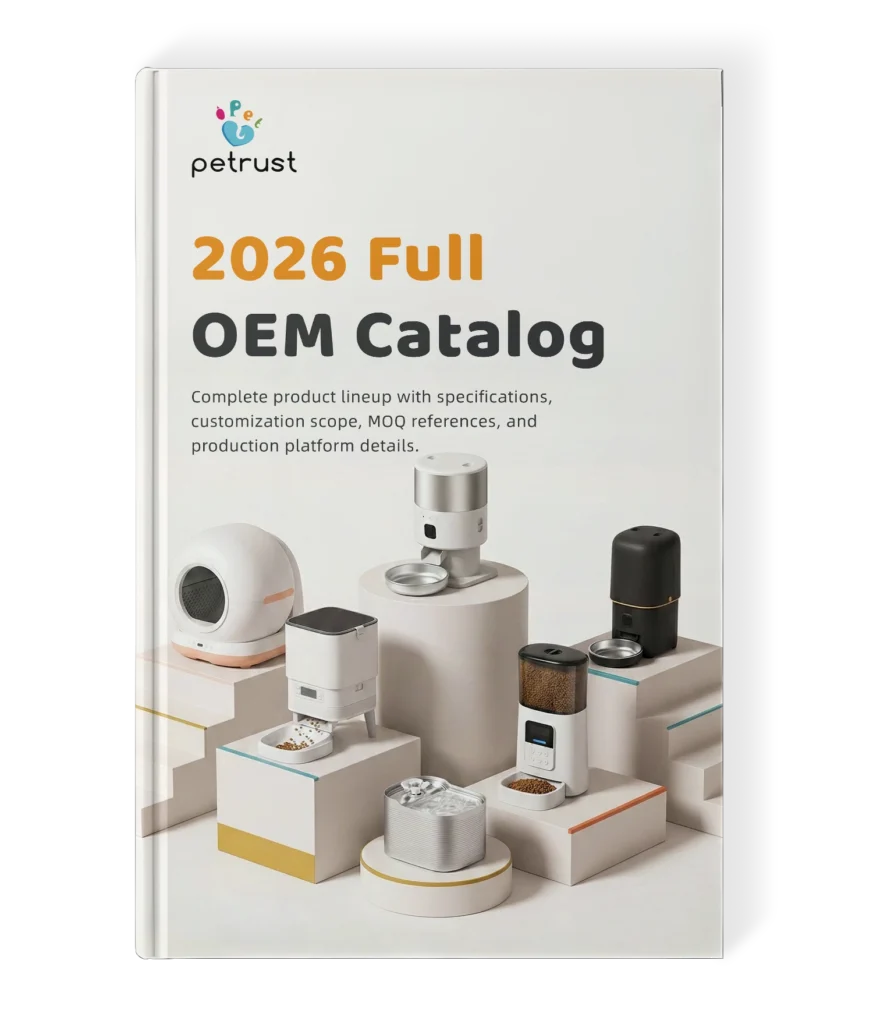
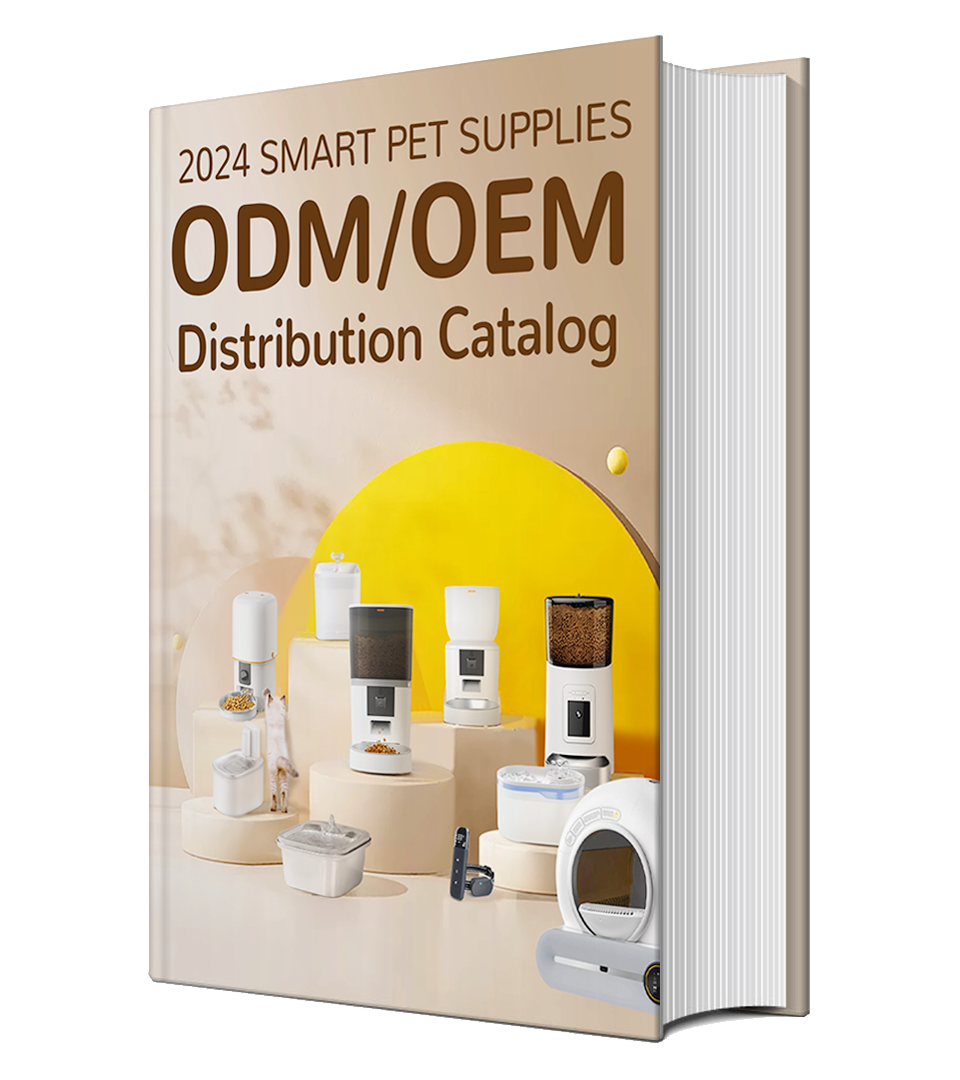
For businesses aiming to buy in bulk, at Petrust®, we also offer a comprehensive wholesale automatic cat feeder program designed to support retailers and distributors worldwide. Our wholesale service provides competitive pricing, flexible MOQ options, and reliable logistics support to ensure your stock arrives on time and meets your quality standards.
We help top pet brands bring better products to market — faster, safer, and smarter.